Jaume Sabartés Collection
Identification
Título: Jaume Sabartés Collection
Dates: 1895-1985
Volume and support:
- 12 boxes of text-based documents
- 634 photographs and 3 albums
- 10 image-based documents
- 151 publications (monographs and periodical publications)
- 90 newspaper cuttings
- Work
Context
History of the creator
Jaume Sabartés (Barcelona, 10 June 1881 - Paris, 13 February 1968). He studied at La Llotja School of Fine Arts, where he took his first steps as a sculptor, novelist and poet. But he is known above all as Picasso's personal secretary, close friend and confidant, whom he met in 1899 at the artist's studio on Carrer d'Escudellers Blancs in Barcelona.
He soon became a member of Picasso's Barcelona group and of the artistic circles of Quatre Gats. He made his first trip to Paris in the autumn of 1901 where he met up with Picasso again and was invited to spend time with the artist and his friends. In 1904, Sabartés make a life-changing decision to travel to Guatemala, where he lived until 1927. He found his way into Guatemalan intellectual and artistic circles, on which he had an extraordinary influence. He worked as a journalist, English translator, French teacher and art history professor at the National School of Fine Arts, and wrote the novels Don Julián and Son Excellence. After his stay in Guatemala, he spent a few years in Madrid and Montevideo, where he worked as a teacher and journalist.
In November 1935, Sabartés returned to Paris with Picasso and became his personal secretary and his closest biographer, going on to write books such as Picasso. Portraits and Souvenirs and Picasso, Las Meninas and Life, among others. In the mid-fifties, Sabartés was living in Paris, but came to Barcelona with the idea of pulling some strings and making one last tribute to his friend Picasso.
In 1962, he gave the city the artwork he owned by the artist and part of his personal collection. The Picasso Museum in Barcelona opened just three years later, on 9 March 1963.
The Jaume Sabartés Collection arrived at the Museum in two separate instalments in 1968 and 2008.
The first half, received in 1968, was sent by Picasso at Sabartés' request and arrived in two cardboard boxes bound with leather straps. Work is being done to ensure its definitive conservation, but the documentation will not be available for consultation until 2018.
The second half was sent by an art gallery in 2008. The documents arrived in several containers and were grouped according to the collection's monetary value. The documents came with a list indicating the lot number, the contents (very generic but fairly useful for identifying each document), the number of units (only in some cases) and their monetary value in euros. As such, when it arrived at the Museum, the collection did not reflect the order it had been given by Sabartés. The material had instead been grouped in order to estimate each part's monetary value. The first step involved registering the new acquisition and assigning a collection type (using the collection classification table).
The documents were then studied with a view to identifying them and restoring the collection's original structure. Next, they were organised according to the Picasso Museum's personal collection classification chart. For now, the descriptions have fallen into two categories following the NOCAD standards: collections and series. As for the collection’s preventive conservation, newspapers and text- and image-based documents did not undergo any cleaning or restoration processes. They were stored horizontally in polyester sleeves and in neutral cardboard boxes.
The collection was rich in photographs, but some of them, despite being very interesting, were in a poor state of conservation. Therefore, they underwent a restoration and preventive conservation process undertaken by the specialist Pau Maynés, which involved studying, cleaning, restoring and conditioning the photographs to prevent any further deterioration. Anti-theft mechanisms were also installed to protect all the material. The digitisation process involved photographing each document using a Canon EOS 5D Mark II camera in the Museum's digital image management and control laboratory, in accordance with the photographic services protocol for reproducing the Picasso Museum's documentary collections.
Scope and content
This collection brings together part of the material that Jaume Sabartés —writer, personal secretary and Picasso's close friend and confidant— collected between 1935 and 1968, the year of his death. The various types of documents (text, images, newspapers, photographs, etc.) create a picture of Jaume Sabartés' career and his relationship with Picasso: Sabartés' negotiations with publishers to publish his writing, personal documents, research into Picasso's biography and the steps he took to bequeath his estate —the donation of the collection of Picasso's works in Barcelona and of the library in Málaga.
Among the collection are many of Sabartés' original typescripts and more than six hundred photographs depicting his relationship with Picasso. Of particular value are a pair of signed poems by Picasso dedicated to Sabartés. The collection includes more than a hundred publications, many of them dedicated by their authors, such as Kahnweiler, Penrose and Éluard. The collection also includes sketches and drawings by other artists.
The Jaume Sabartés Collection is particularly important for understanding who he was and his relationship with Picasso.
Accession details
The Jaume Sabartés Collection arrived at the Museum in two parts. The first part was donated by Jaume Sabartés upon his death in 1968; the material was sent to the Museum by Picasso himself and was received by Josep Selva on 16 February 1968. The second part was purchased from the Galería Miquel Alzueta S.L. on 29 September 2008.
This collection brings together part of the material that Jaume Sabartés —writer, personal secretary and Picasso's close friend and confidant— collected between 1935 and 1968, the year of his death. The various types of documents (text, images, newspapers, photographs, etc.) create a picture of Jaume Sabartés' career and his relationship with Picasso: Sabartés' negotiations with publishers to publish his writing, personal documents, research into Picasso's biography and the steps he took to bequeath his estate —the donation of the collection of Picasso's works in Barcelona and of the library in Málaga. Among the collection are many of Sabartés' original typescripts and more than six hundred photographs depicting his relationship with Picasso. Of particular value are a pair of signed poems by Picasso dedicated to Sabartés. The collection includes more than a hundred publications, many of them dedicated by their authors, such as Kahnweiler, Penrose and Éluard. The collection also includes sketches and drawings by other artists. The Jaume Sabartés Collection is particularly important for understanding who he was and his relationship with Picasso.
Related artworks of the Collection
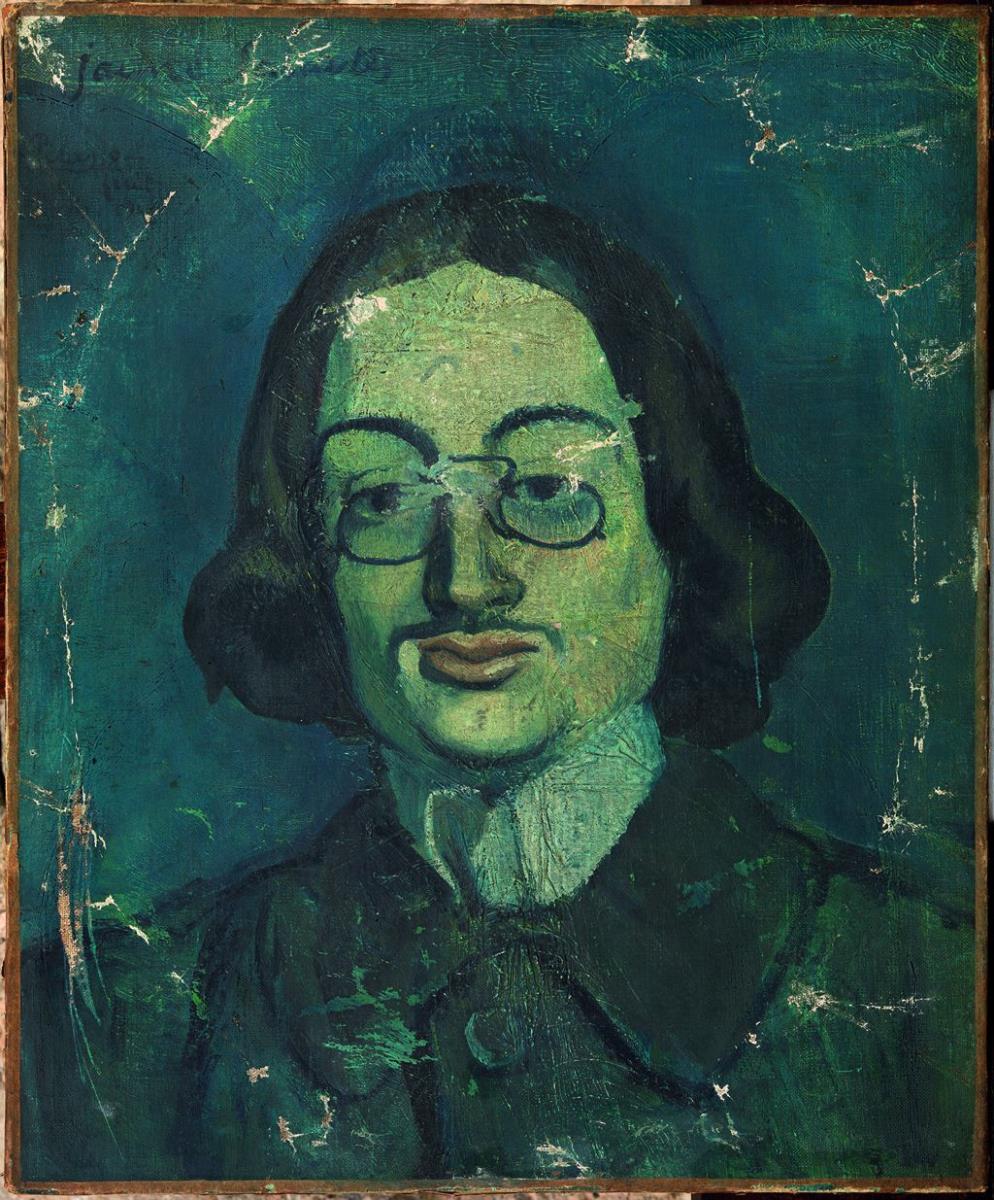
Jaume Sabartés with Pince-Nez
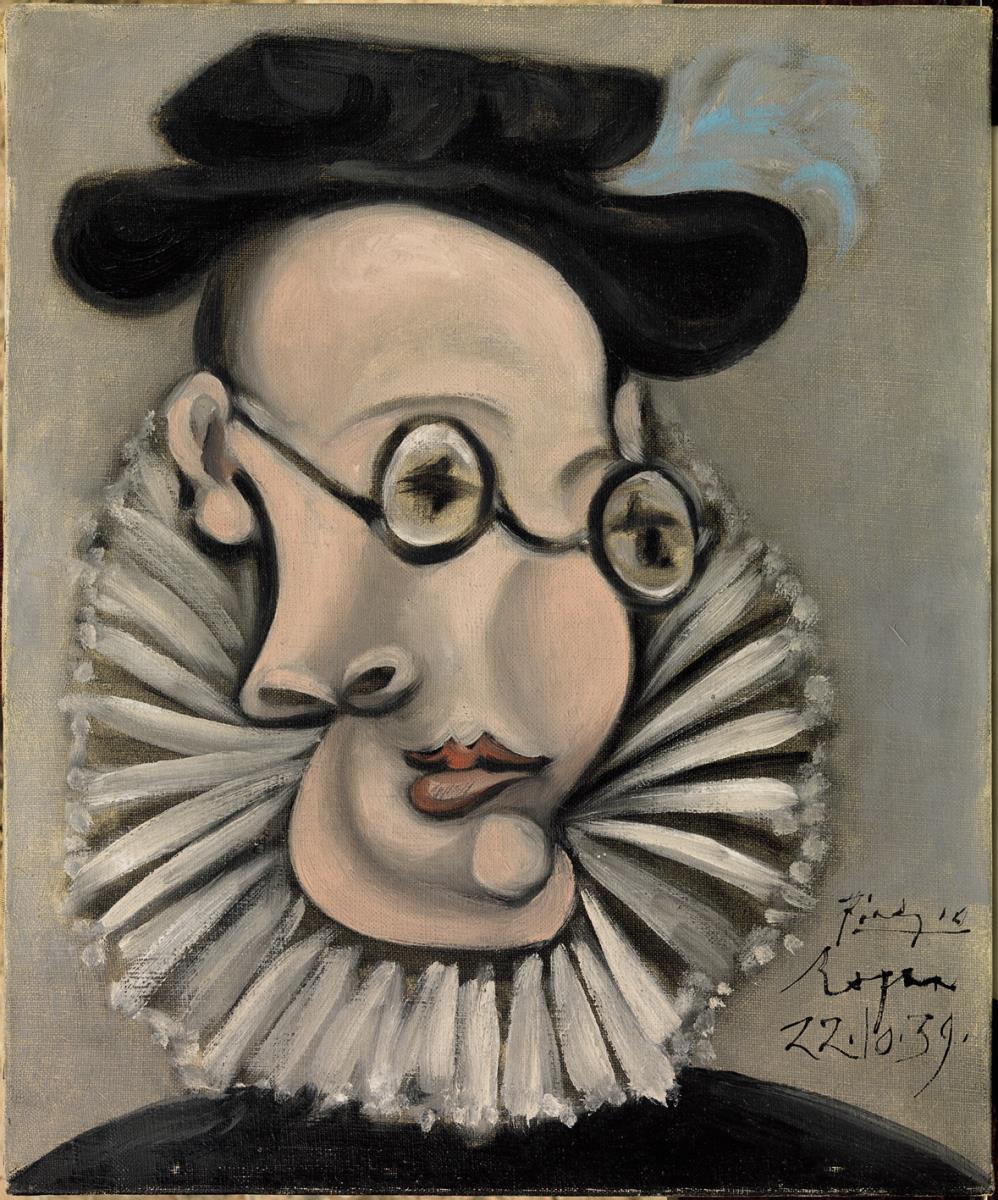
Jaume Sabartés with Ruff and Bonnet
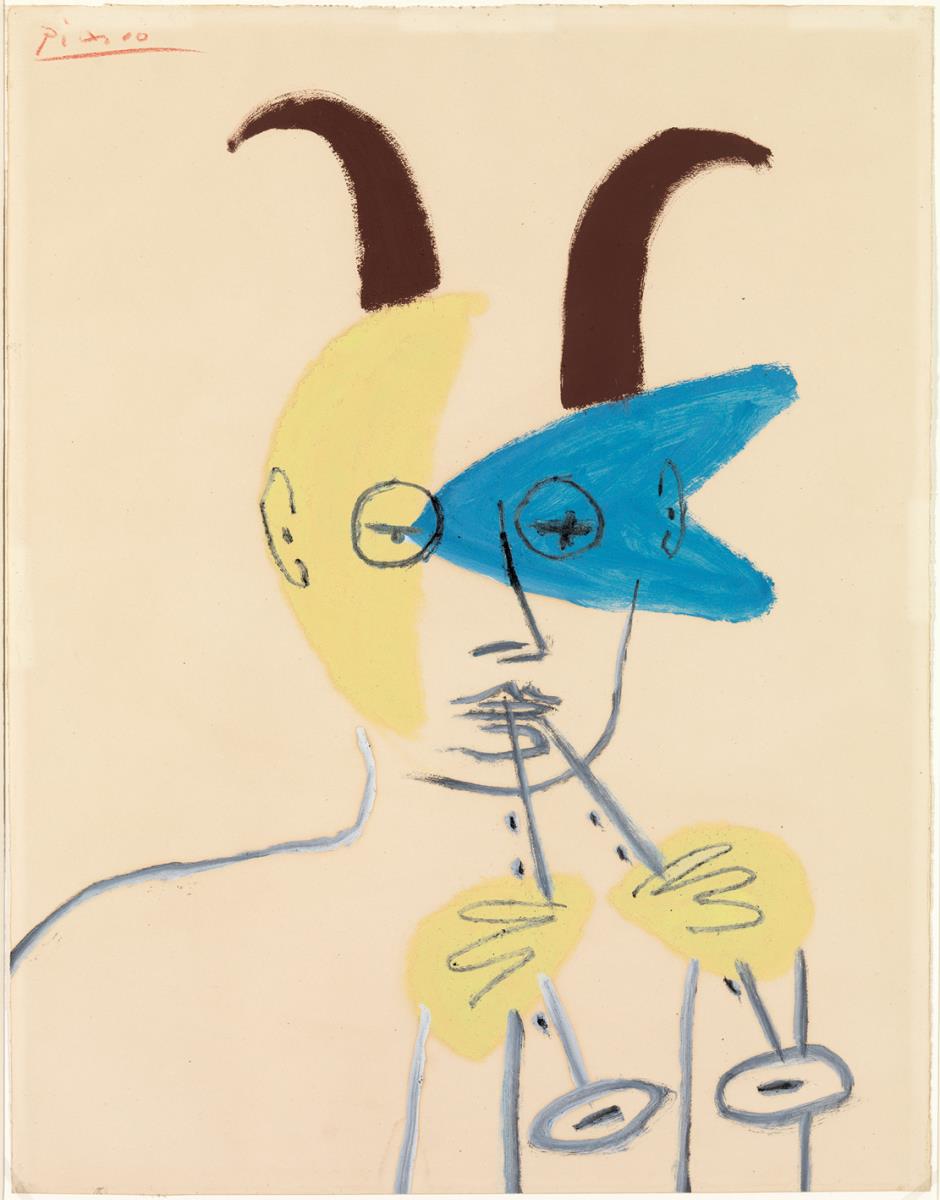
Jaume Sabartés as a Faun Playing the Pipe
1946

Dedication of Pablo Picasso to Jaume Sabartés
1939

Version of "Las Meninas" on A Page in the Book Entitled "Les Ménines et la vie" by Jaume Sabartés
1960
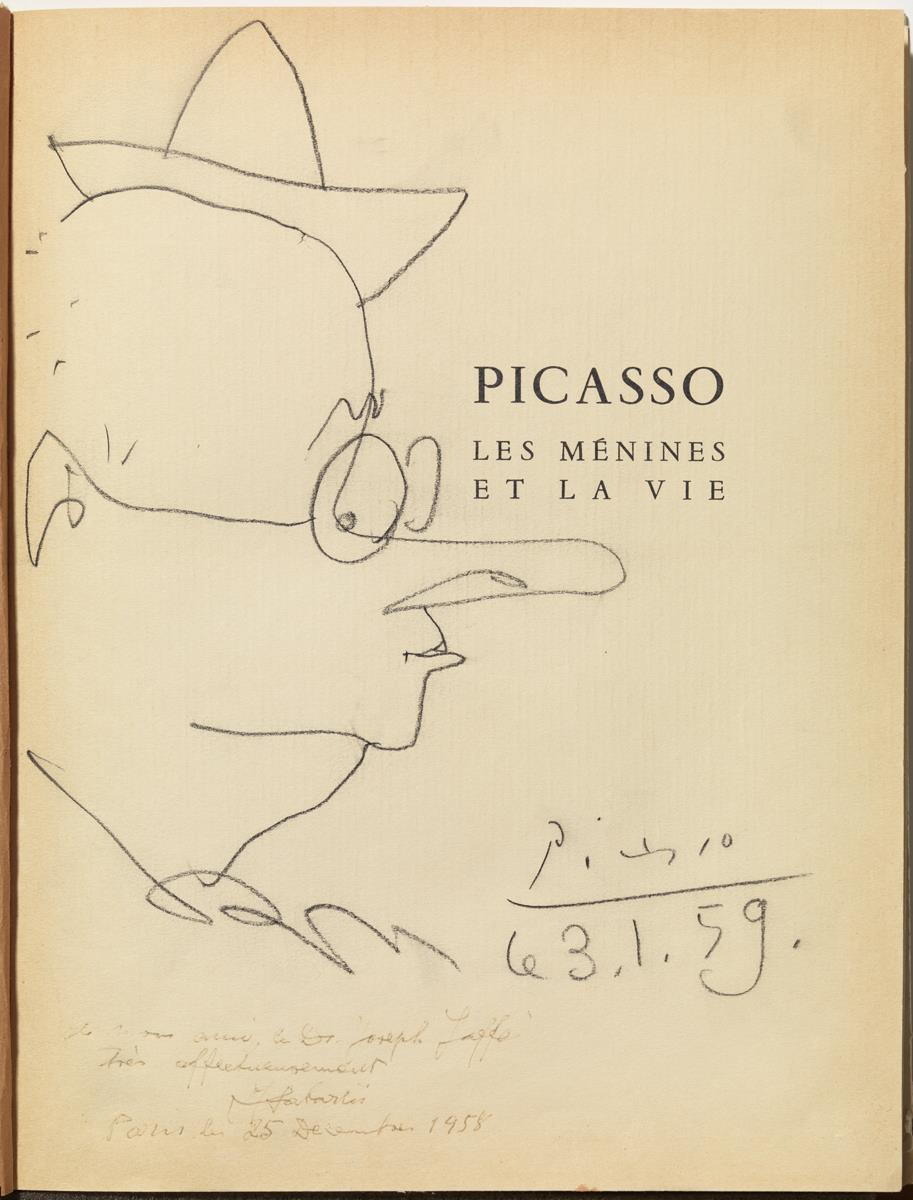
Jaume Sabartés in a Little Hat
1959
See online
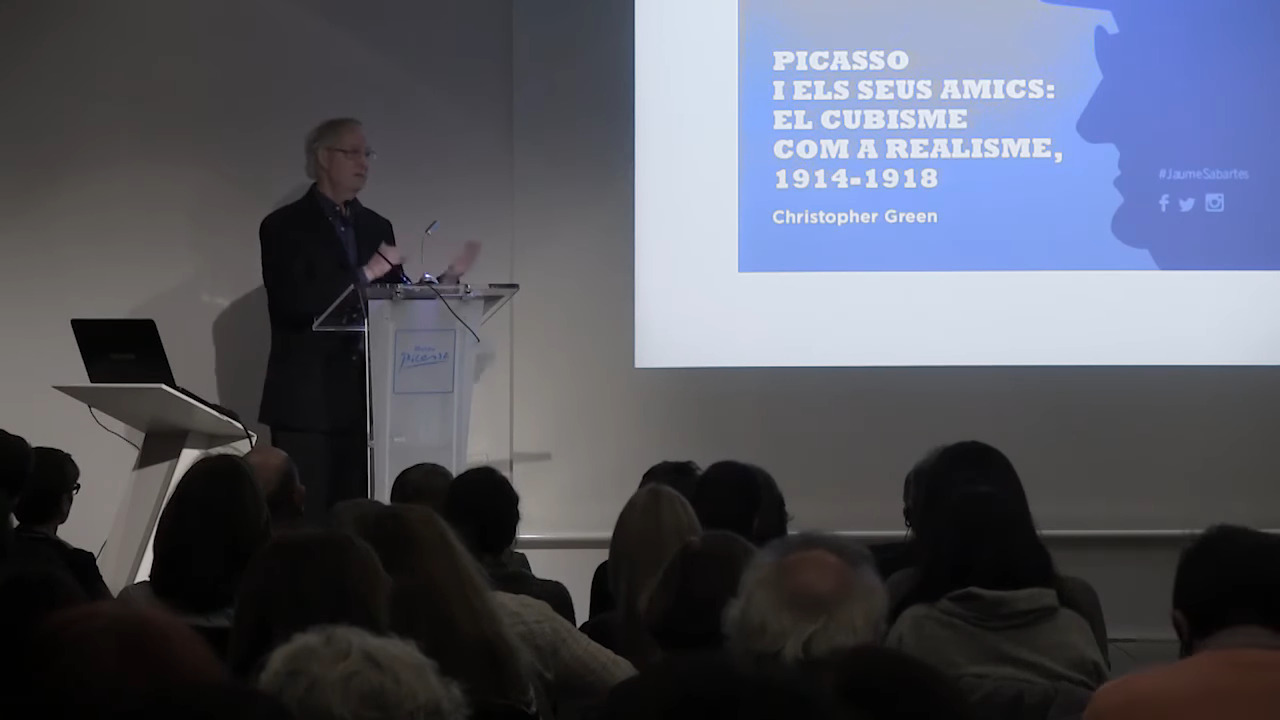
Conferència magistral "Jaume Sabartés" : "Picasso i els seus amics: el cubisme com a realisme, 1914-1918" per Christopher Green

The American adventure of Jaume Sabartés

Jaume Sabartés, the secretary, friend and confidante of Picasso
Related exhibitions

Sabartés by Picasso by Sabartés
Related activities
" Visit James Sabartés "
Thursday, 4 , 11, 18 and 25 April at 19h / Wednesday 2, 9 and 16 October at 19pm 2013