A Collage Before Collage
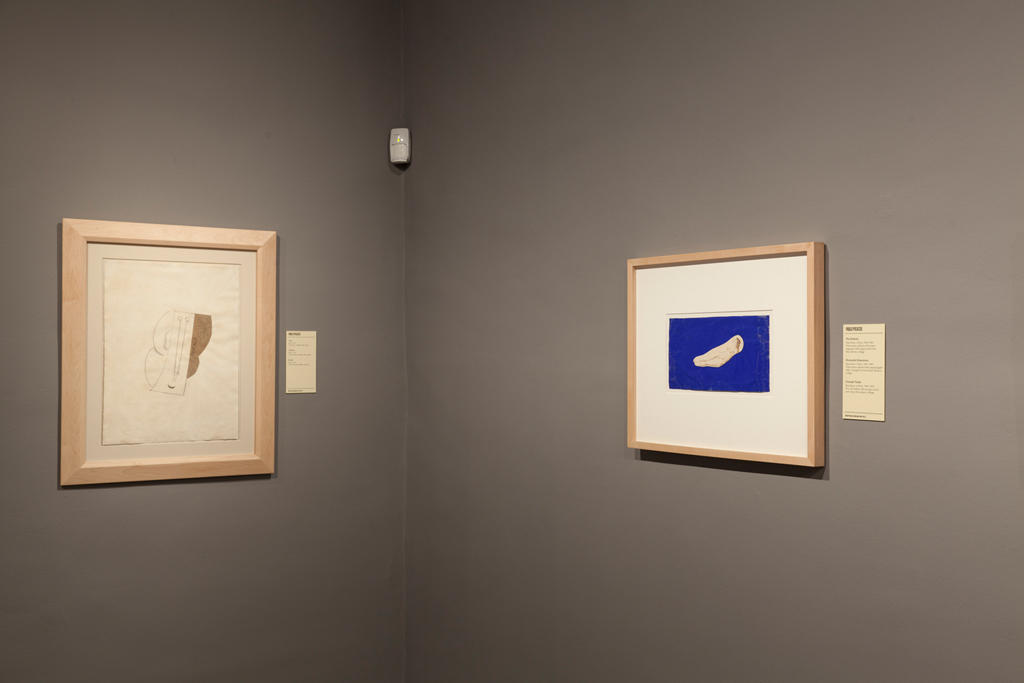
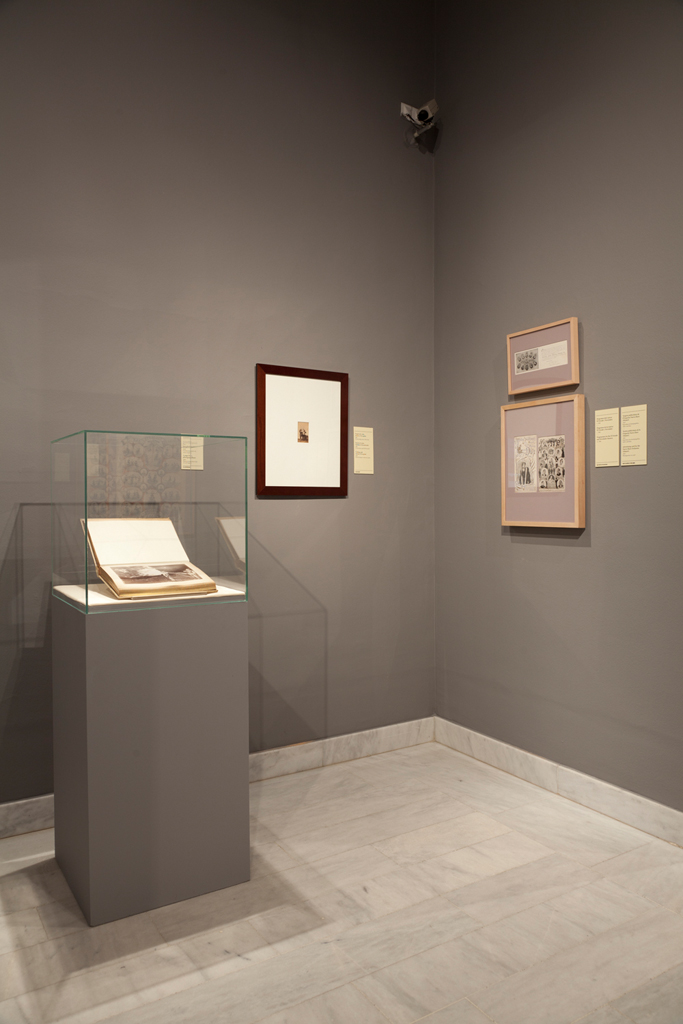
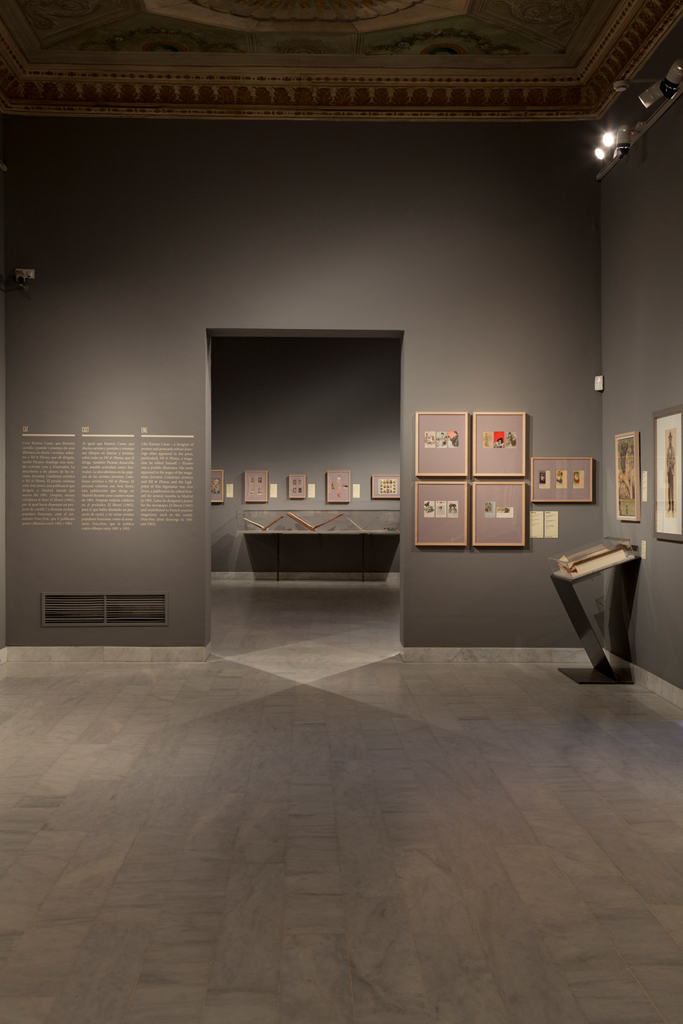
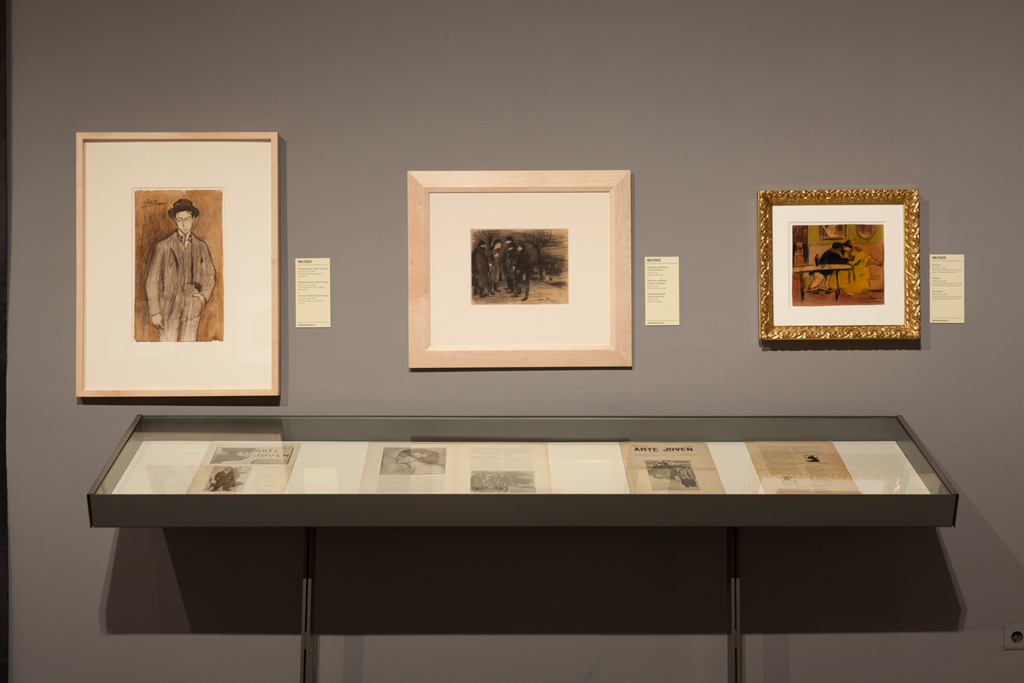
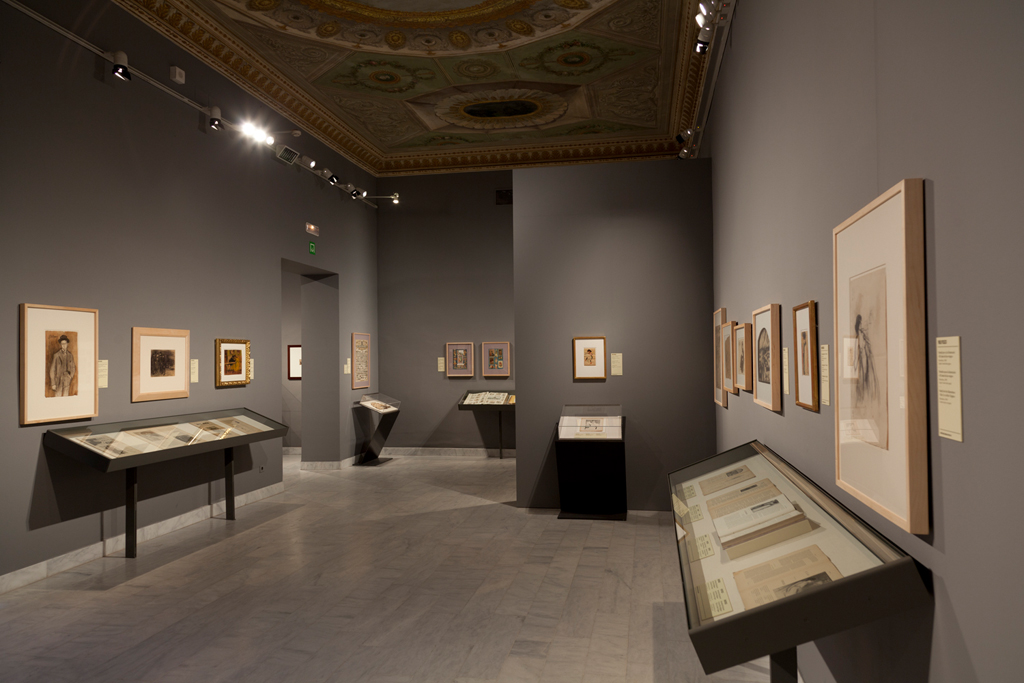
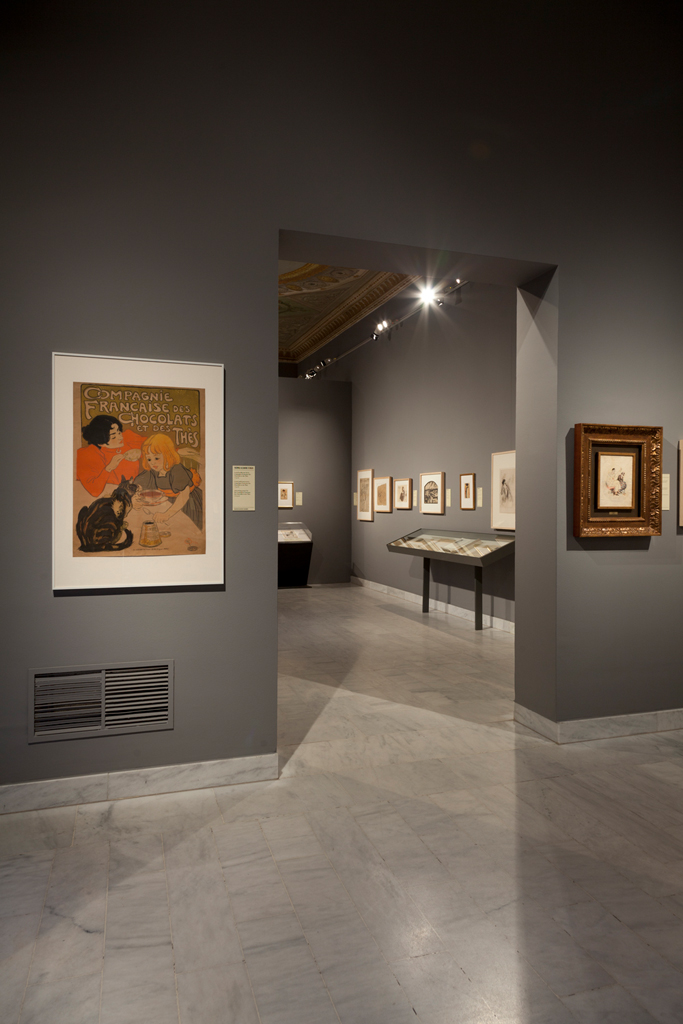
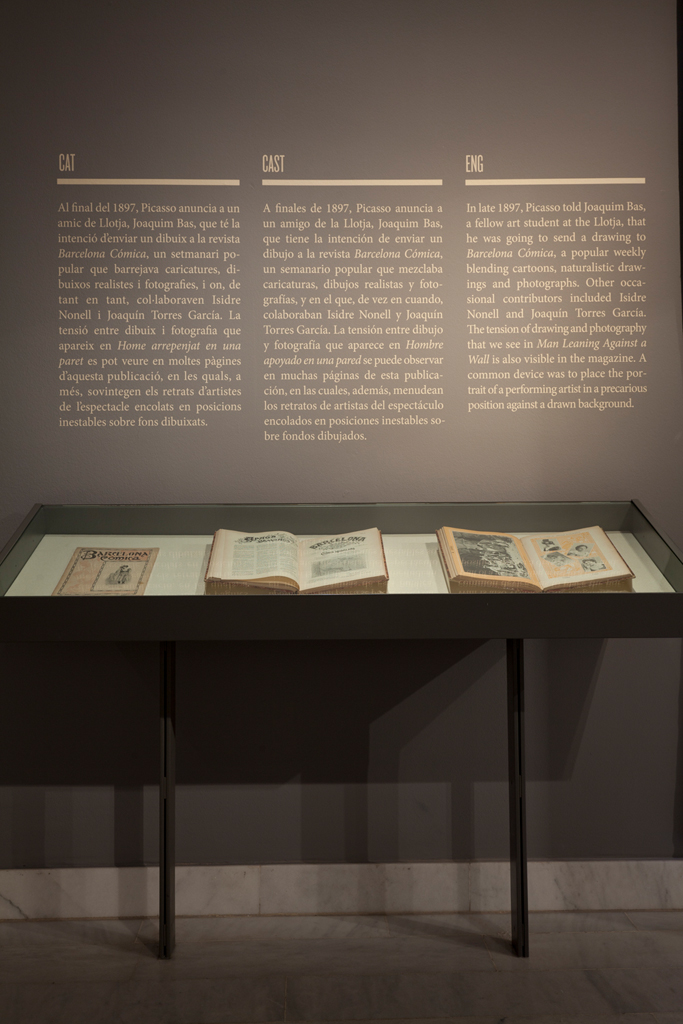
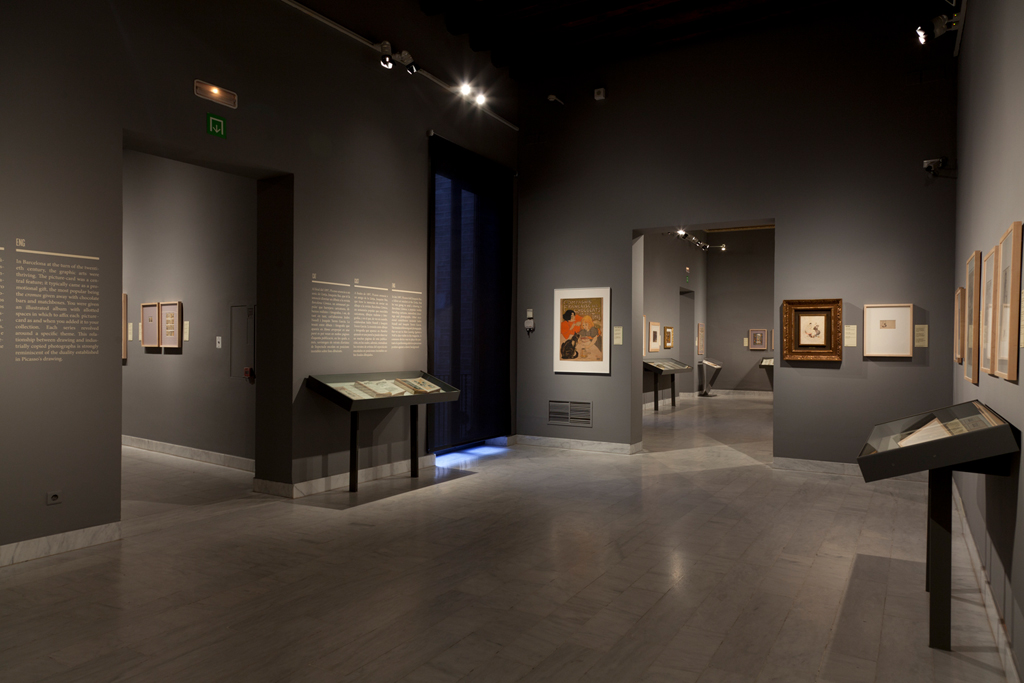
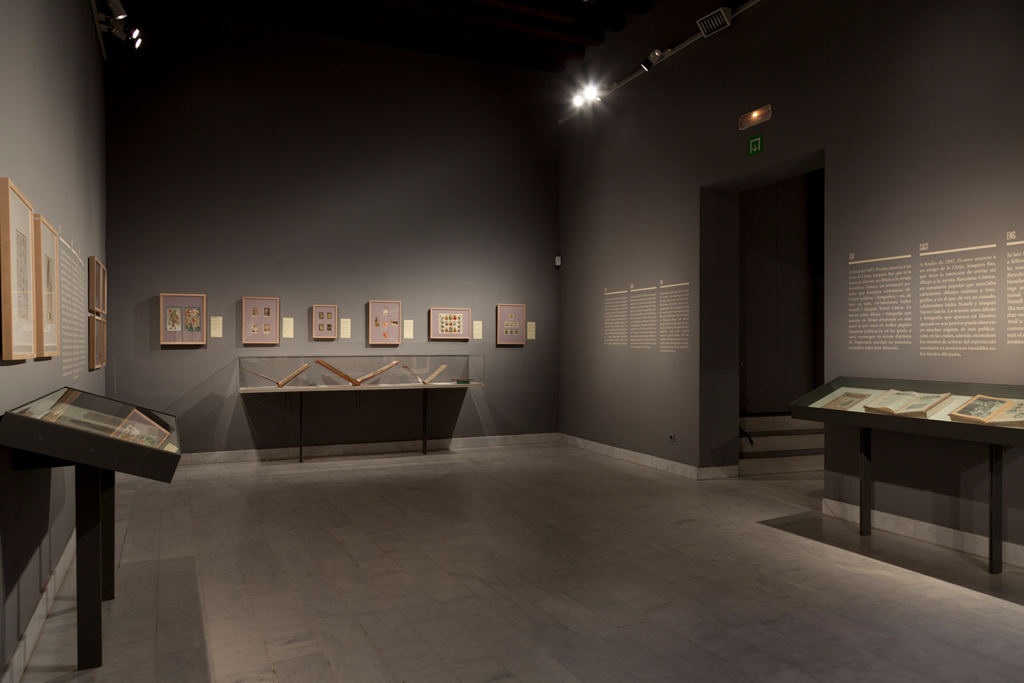
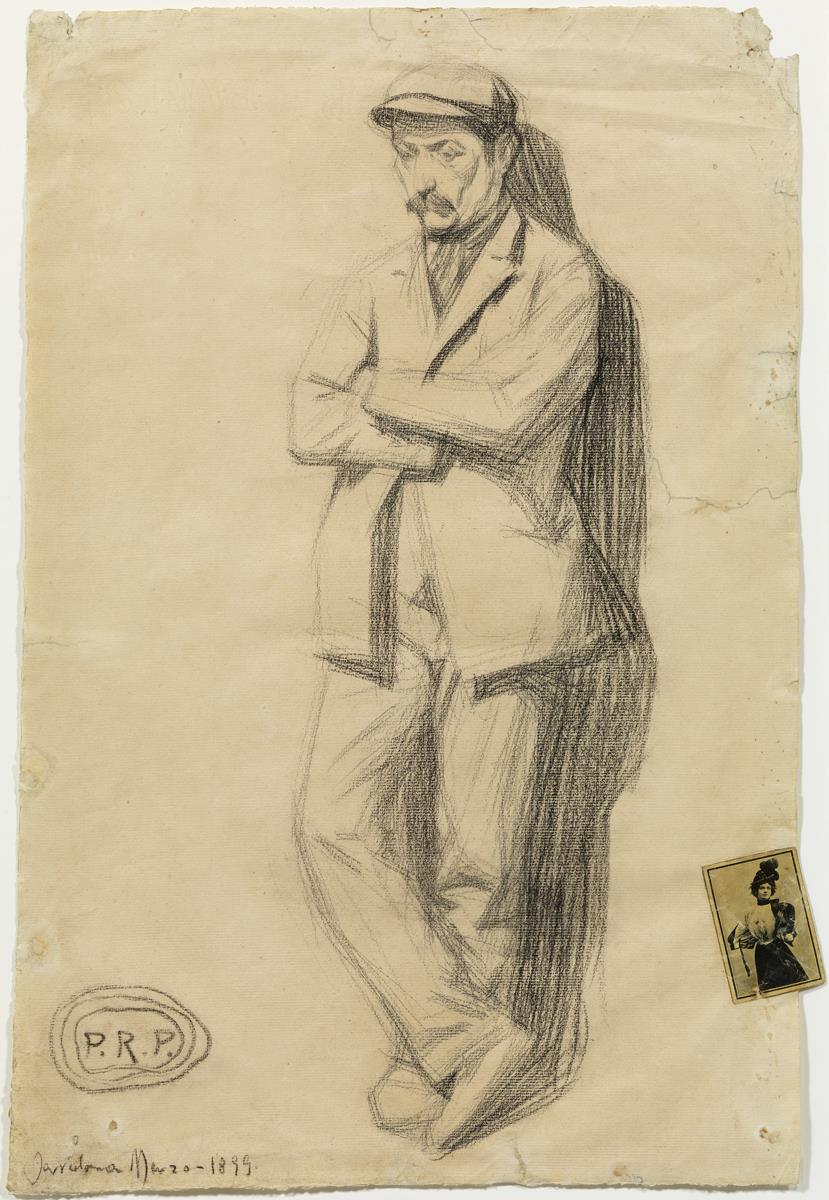
Taking as a starting point the particular features of Picasso's Man Leaning against a Wall (1899), this small exhibition explores the new visuality that characterised the fin de siècle (when drawing and photography coexisted in popular magazines), the large-scale serial production of images flooding everyday life, and the new modes of collecting that were becoming known.
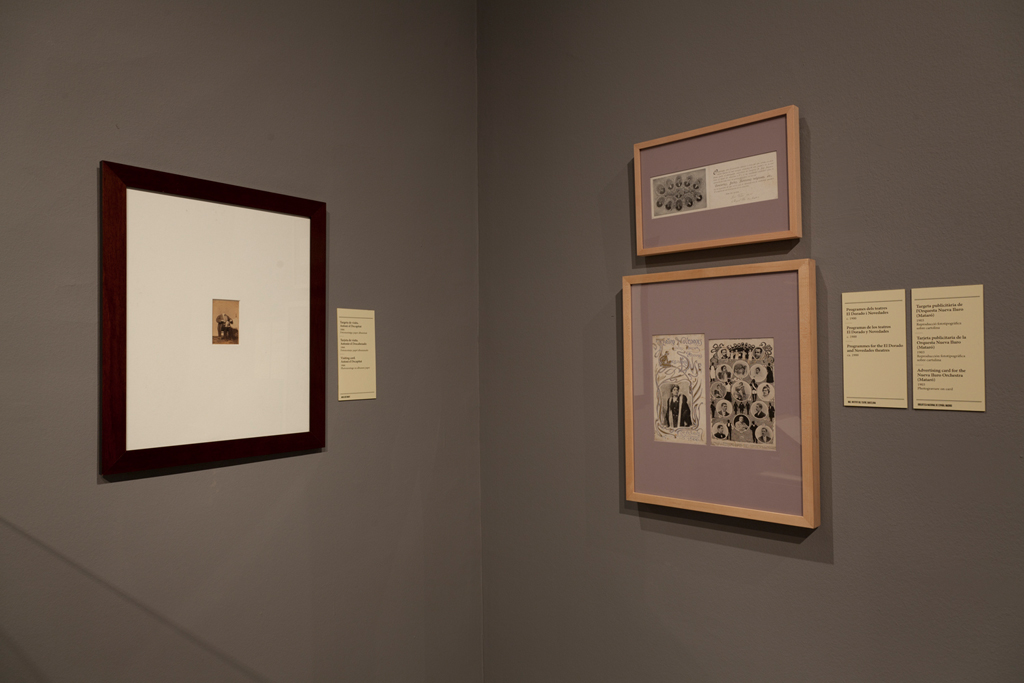
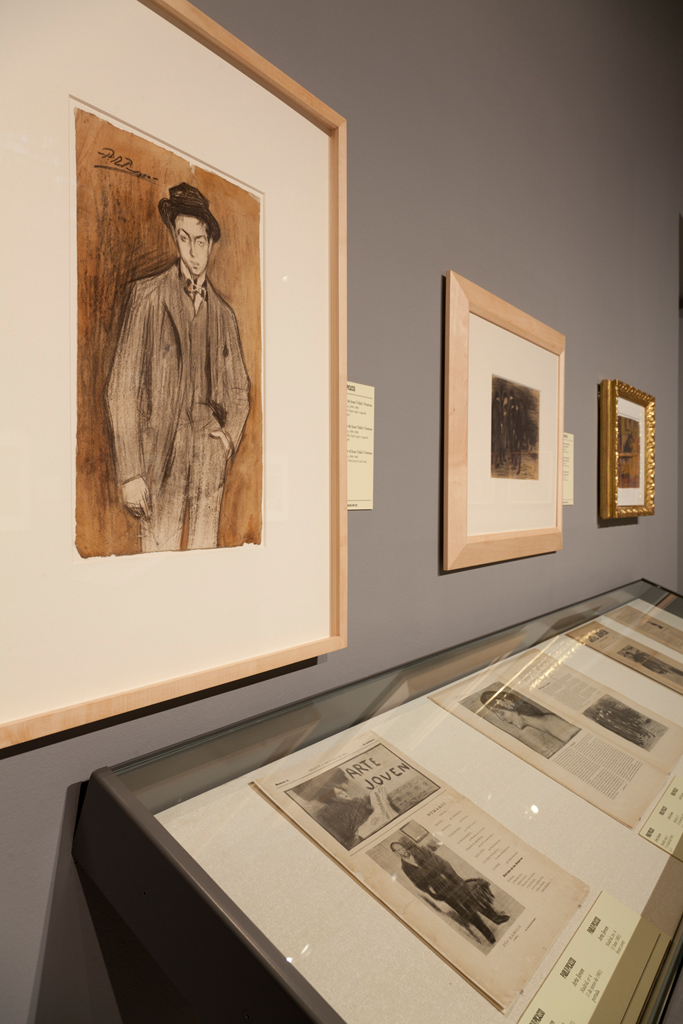
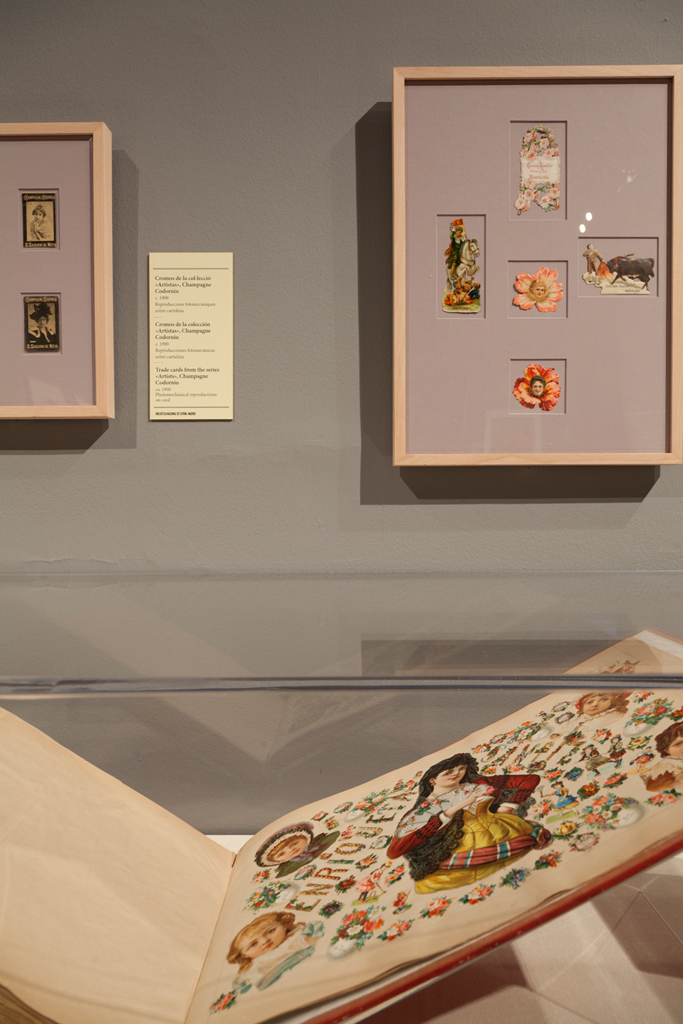
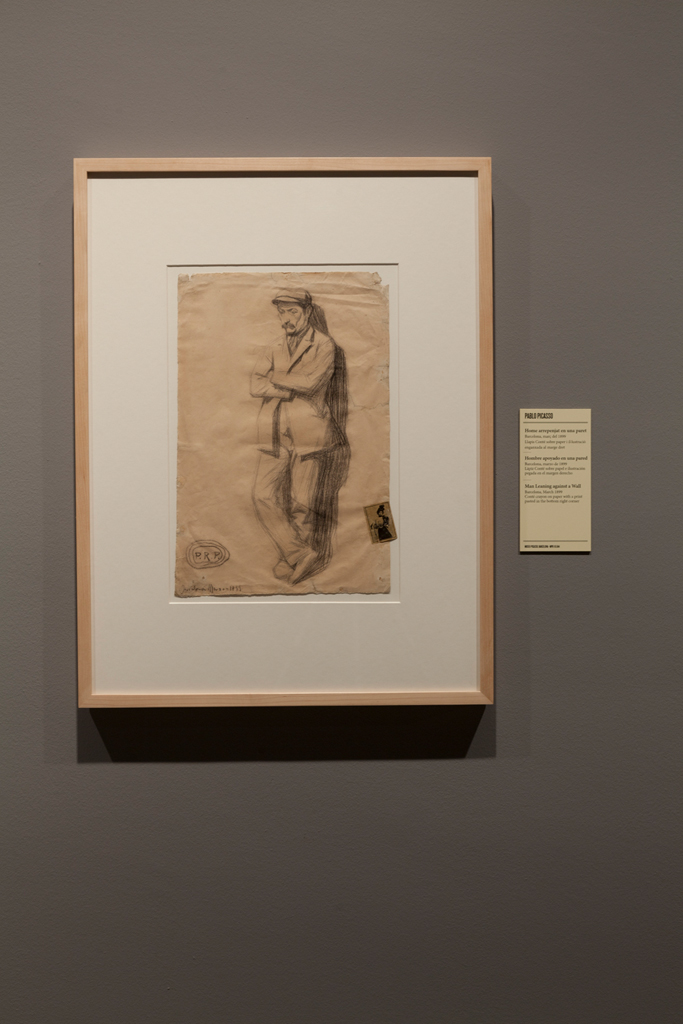
Pablo Picasso invented the artistic technique of collage in the spring of 1912. However, in March 1899, when he was still living in Barcelona, he had pasted a mechanically reproduced image, the portrait of an actress, on his drawing entitled Man Leaning against a Wall. We now know that this papier collé was the trading card of a box of matches, as such printed matter (phototypes) were very popular at the time.
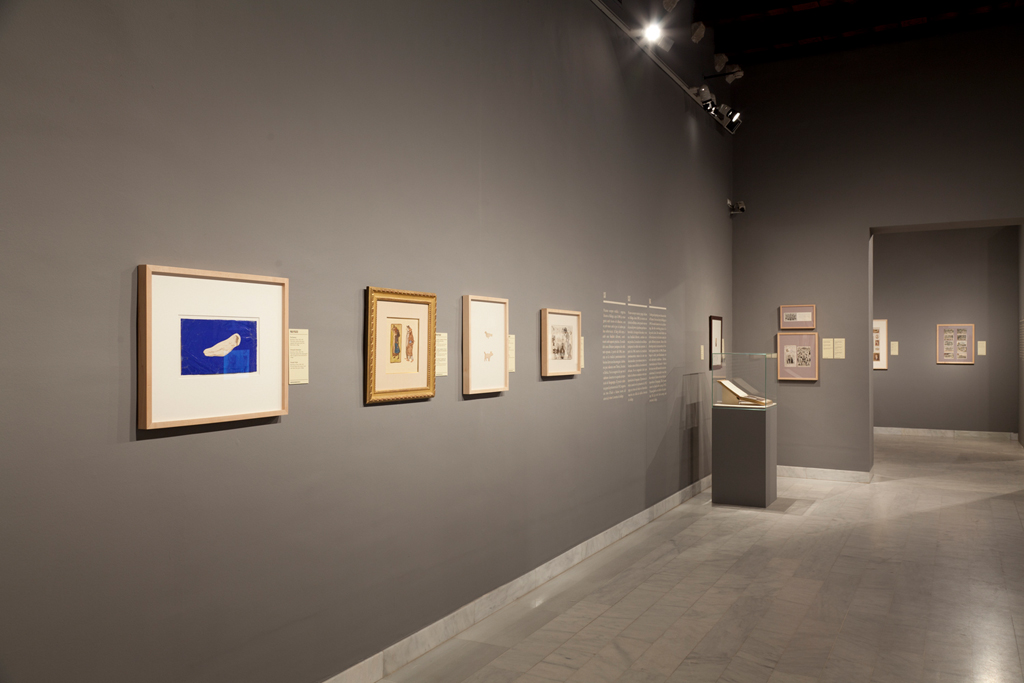
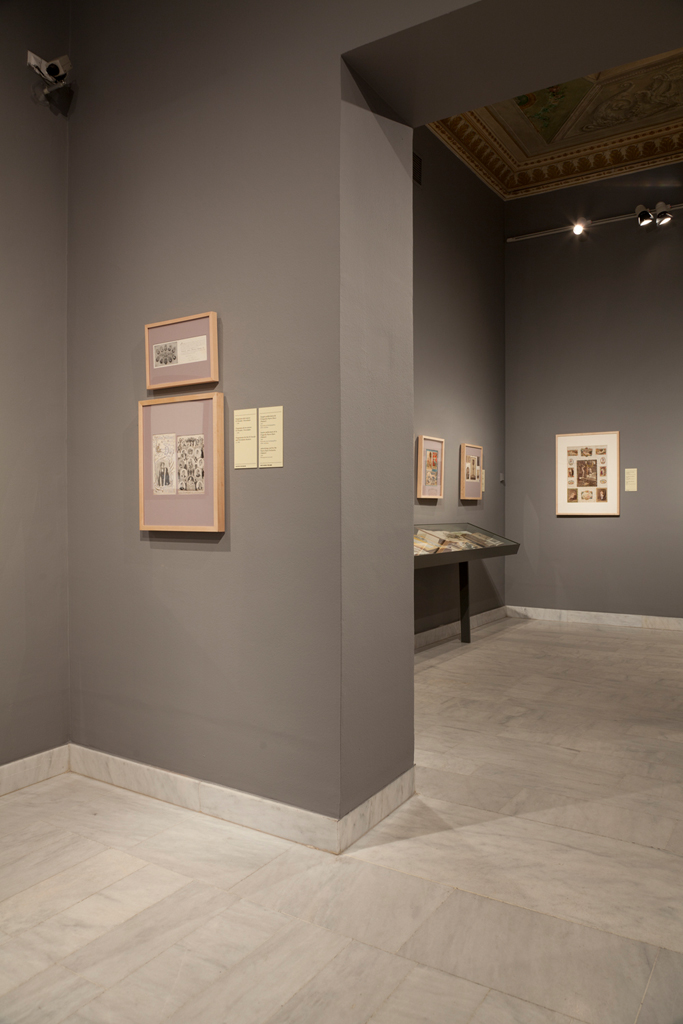
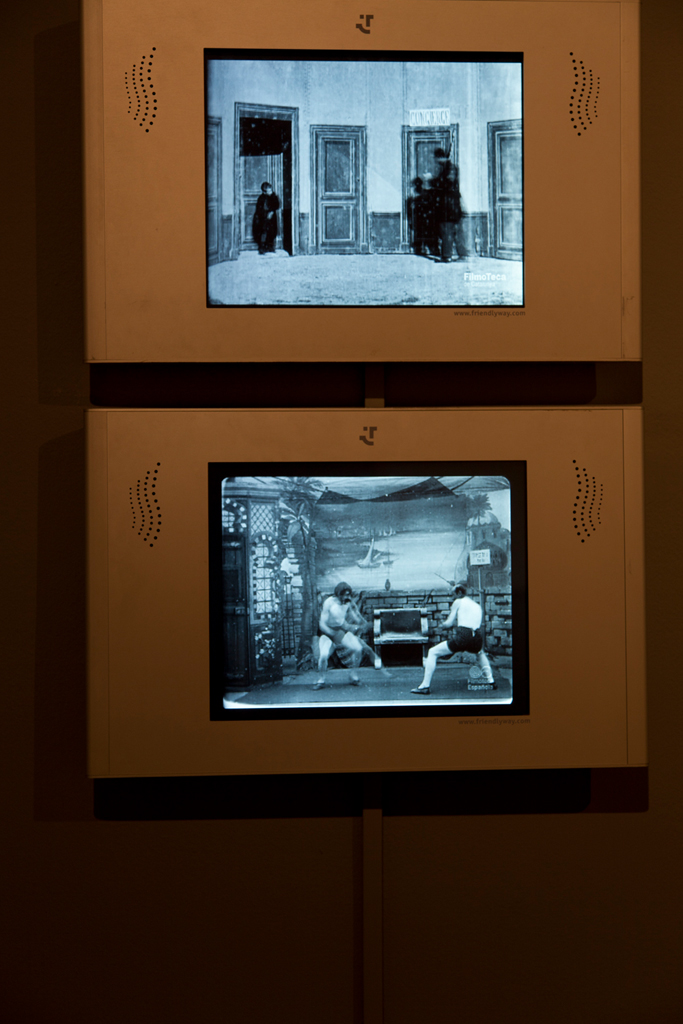
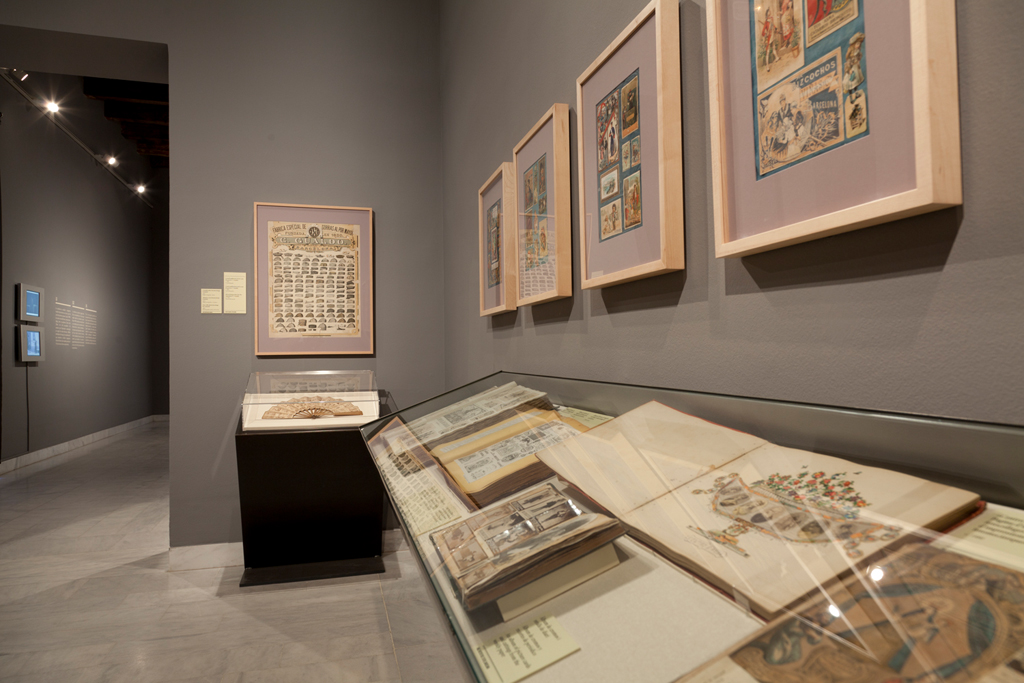
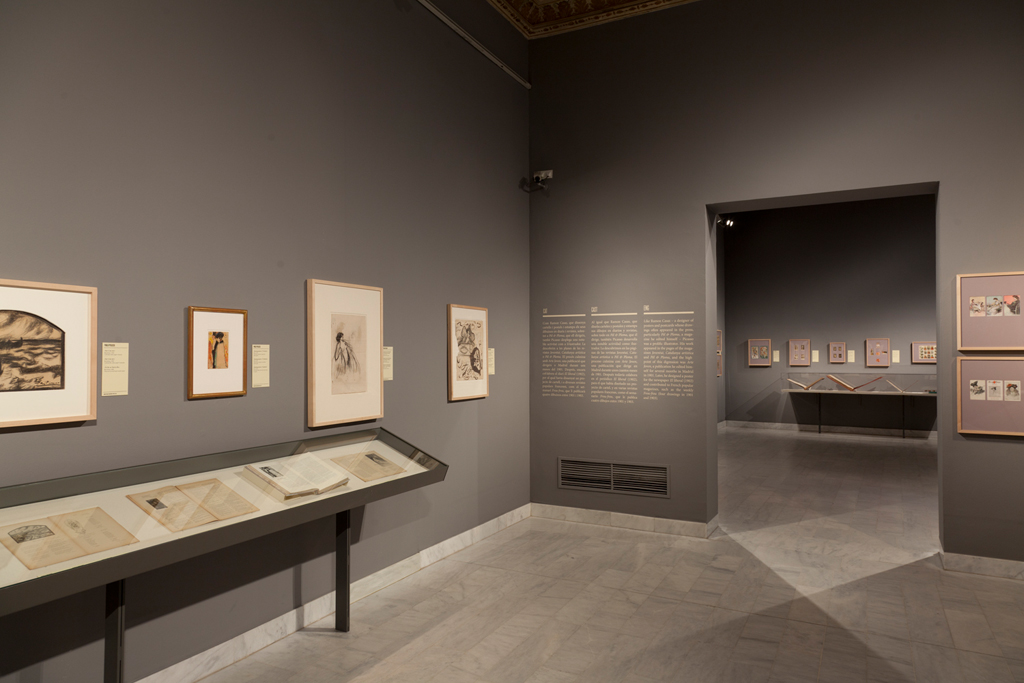
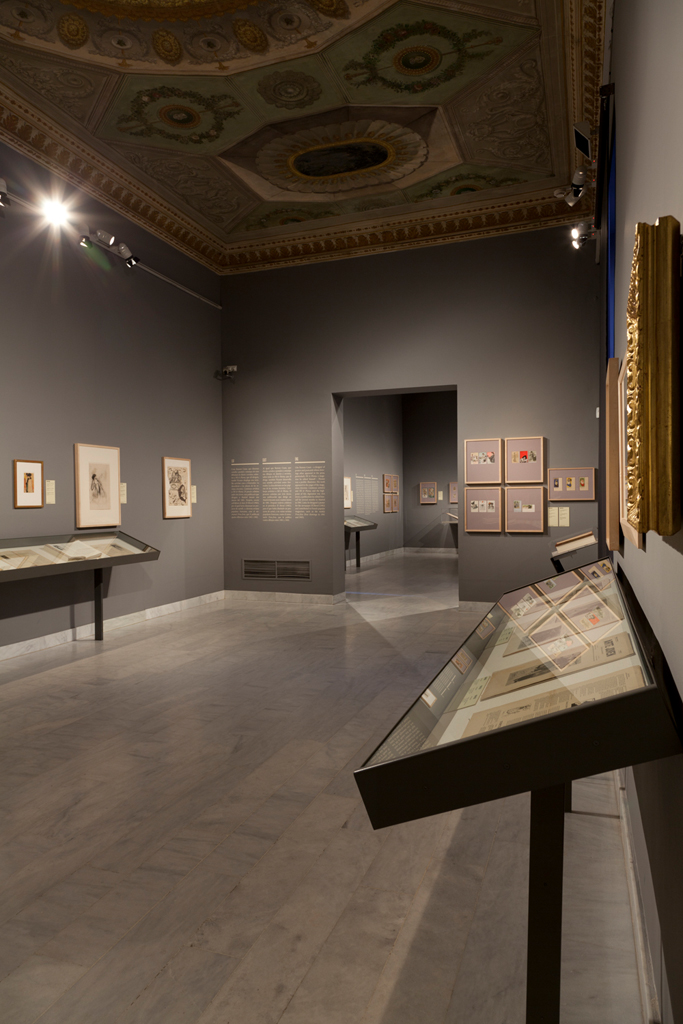
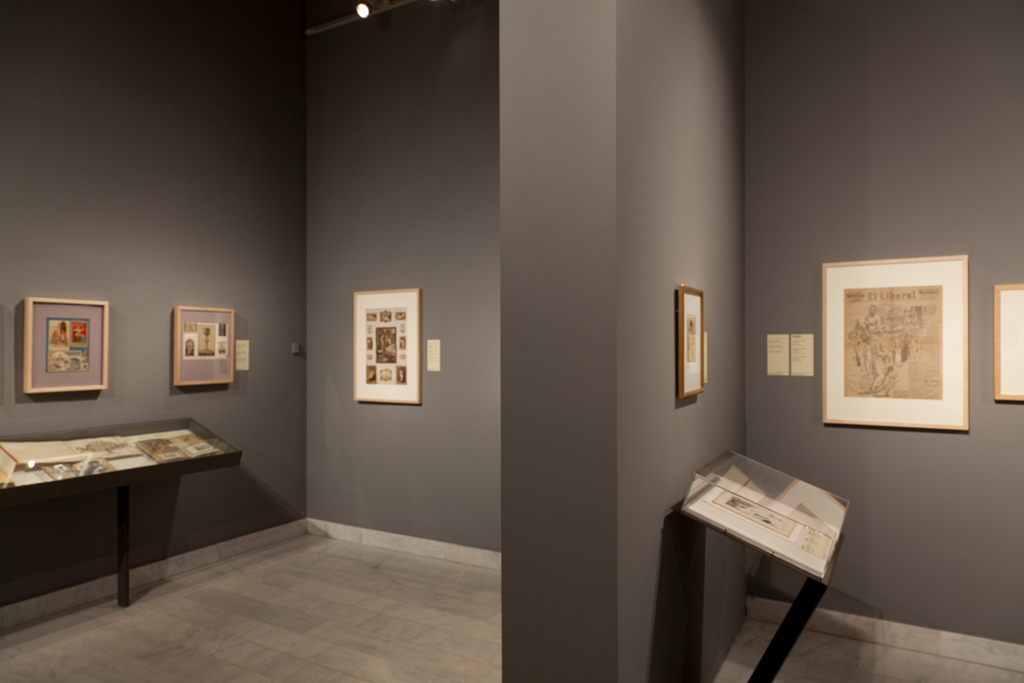
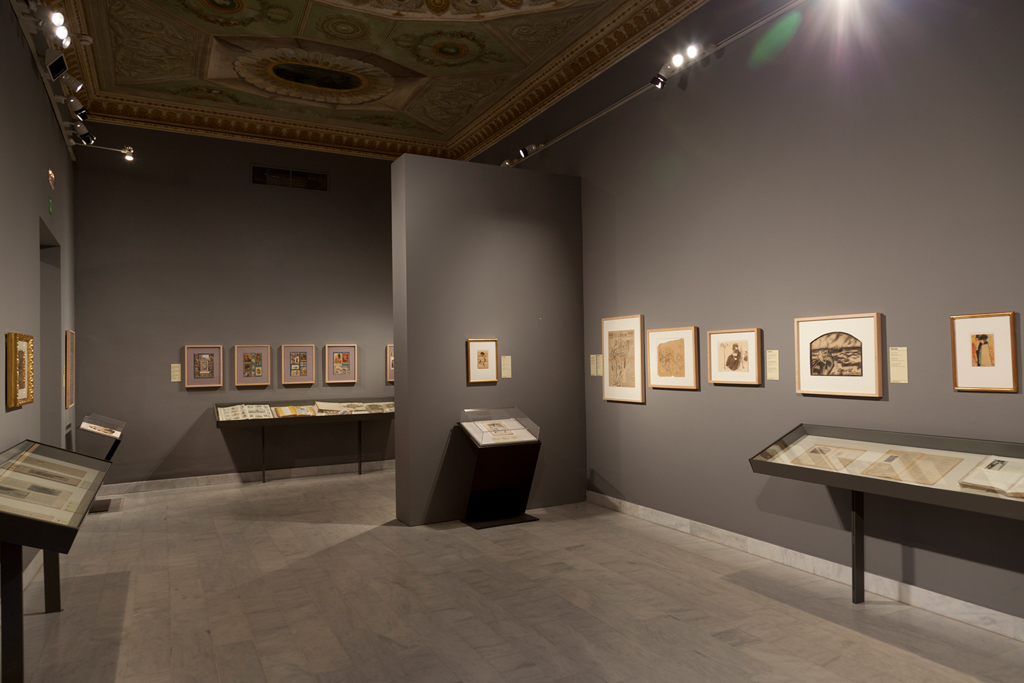
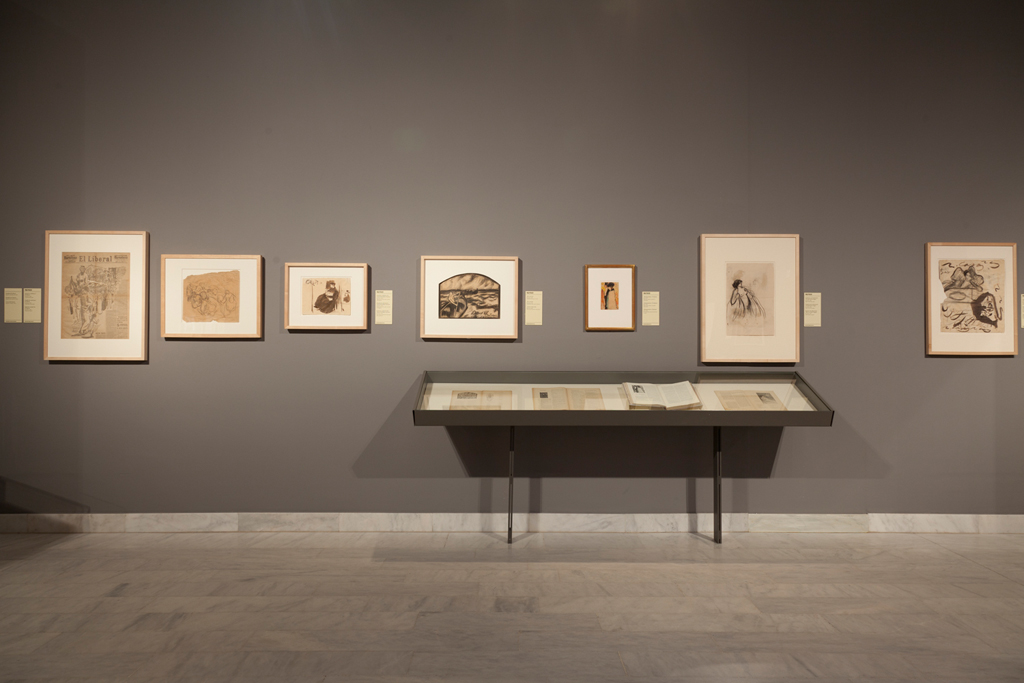
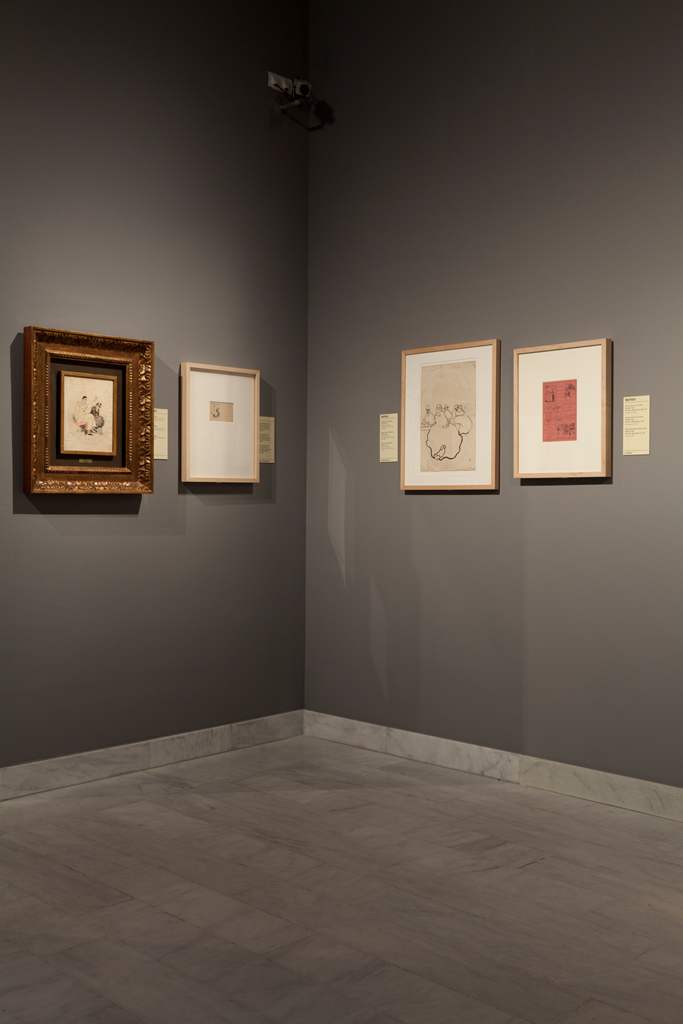
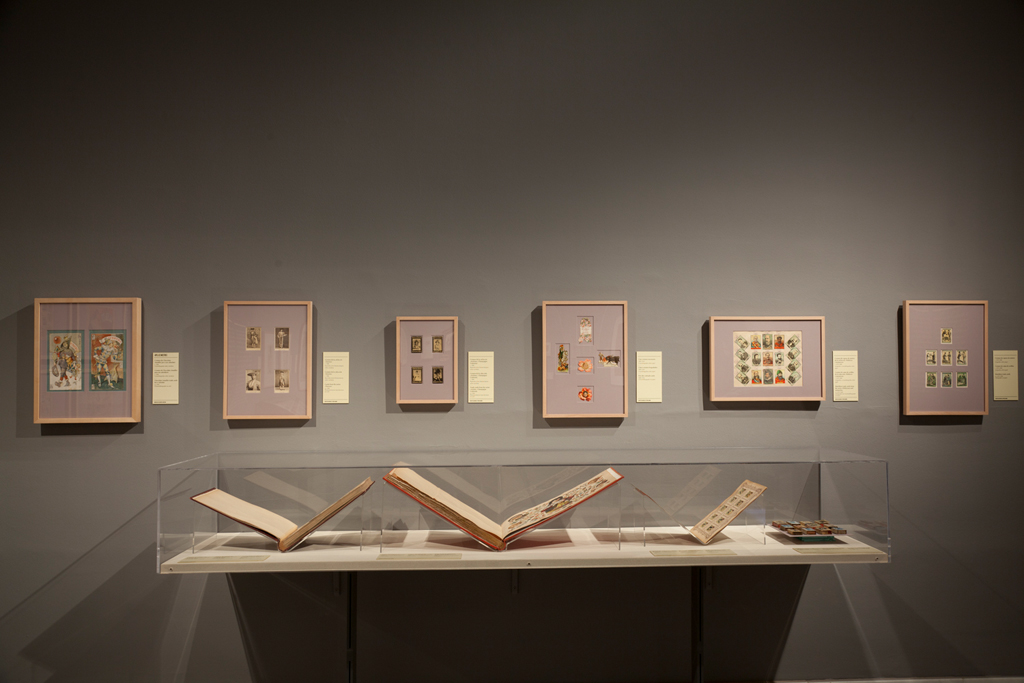
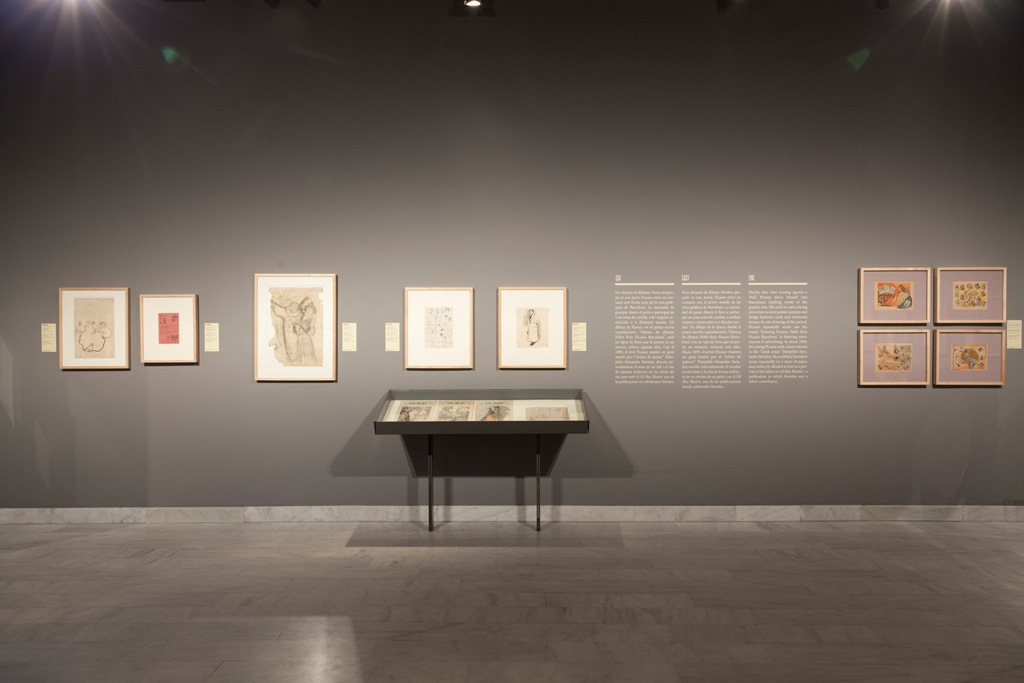
The exhibition examines the reasons that led the young artist to paste this printed image beside one of his drawings. Along these lines, the show evokes Picasso's interest in the world of serial reproduction (the illustrated press, posters, advertisements). It also reproduces the artist's visual environment (trading cards, newspapers, caricatures, postcards, photographs, films) and reveals the taste for cutting and pasting that was widespread in other recreations of urban society at the turn of the century.
Man Leaning Against a Wall
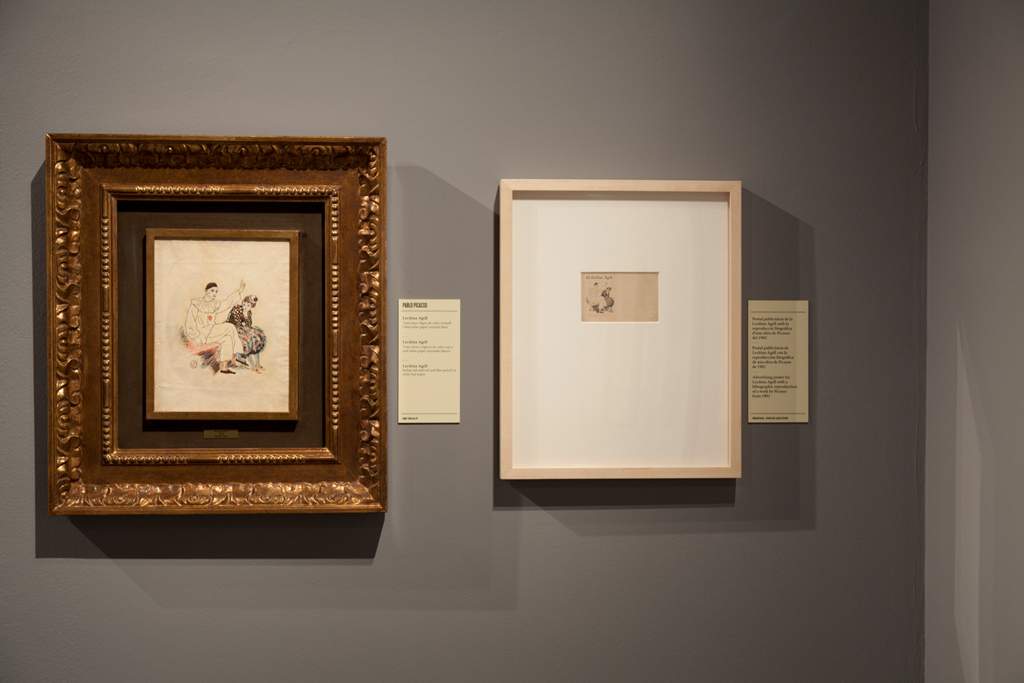
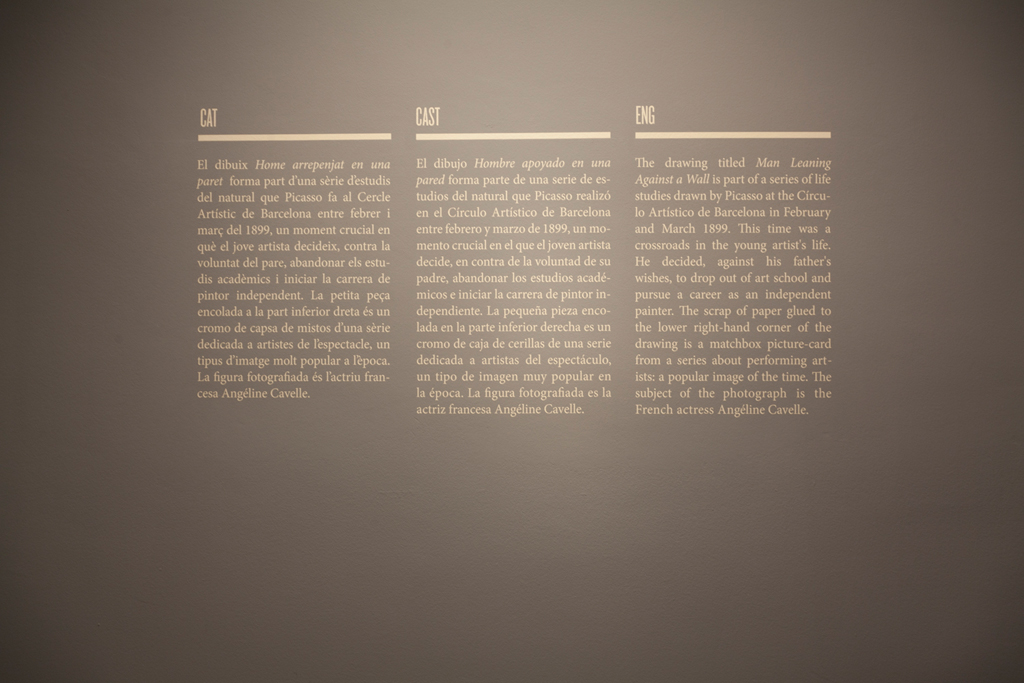
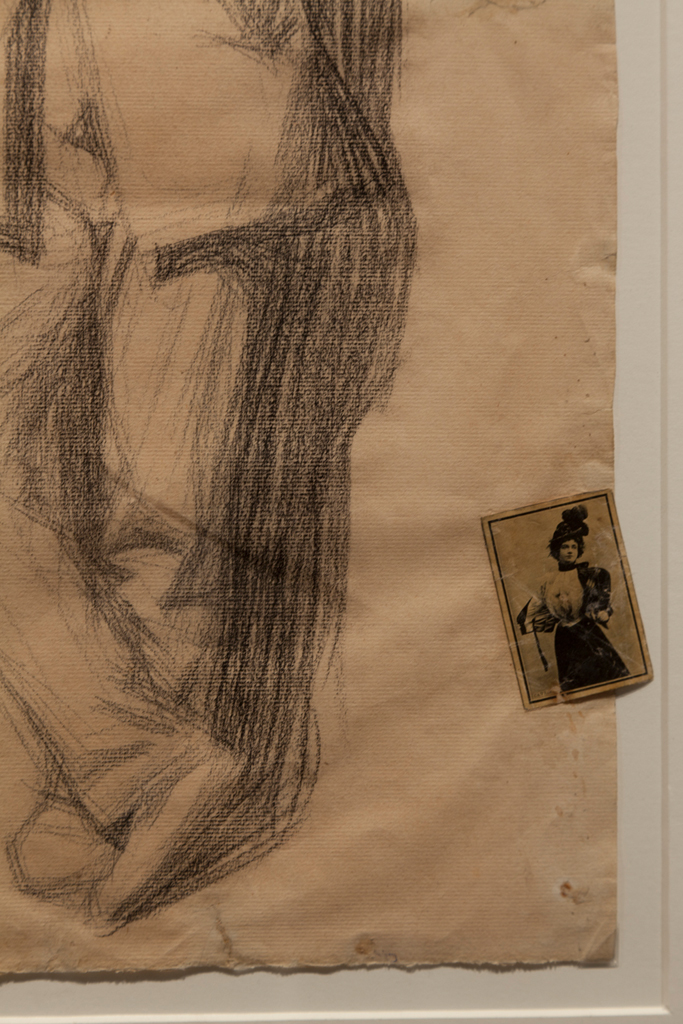
The drawing titled Man Leaning Against a Wall is part of a series of life studies drawn by Picasso at the Círculo Artístico de Barcelona in February and March 1899. This time was a crossroads in the young artist's life. He decided, against his father's wishes, to drop out of art school and pursue a career as an independent painter. The scrap of paper glued to the lower right-hand corner of the drawing is a matchbox picture-card from a series about performing artists: a popular image of the time. The subject of the photograph is the French actress Angeline Cavelle.
Picture cards
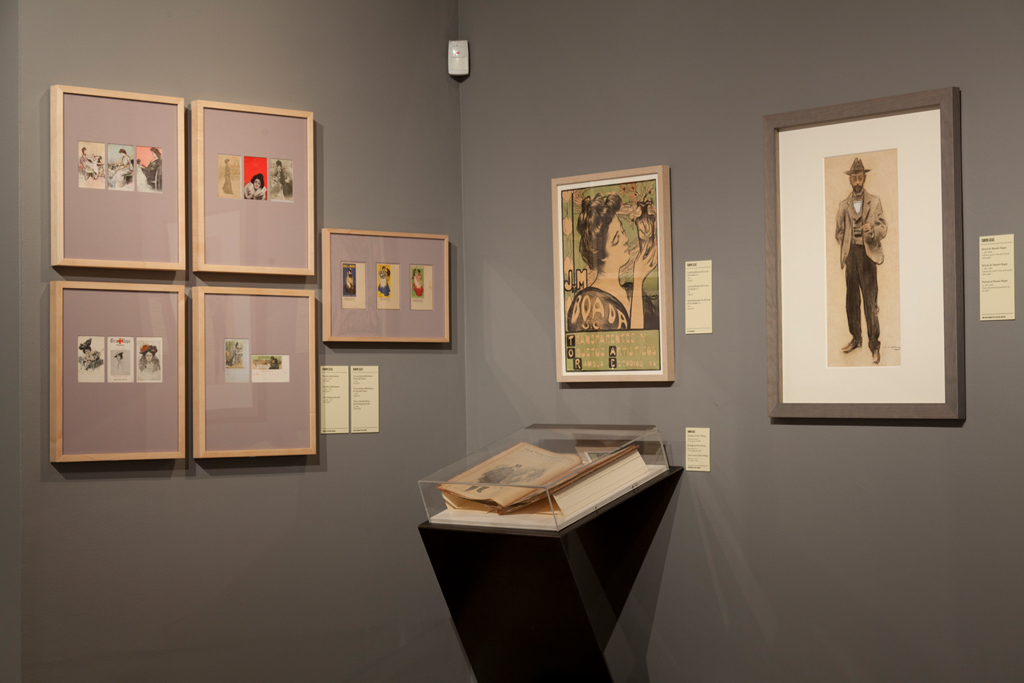
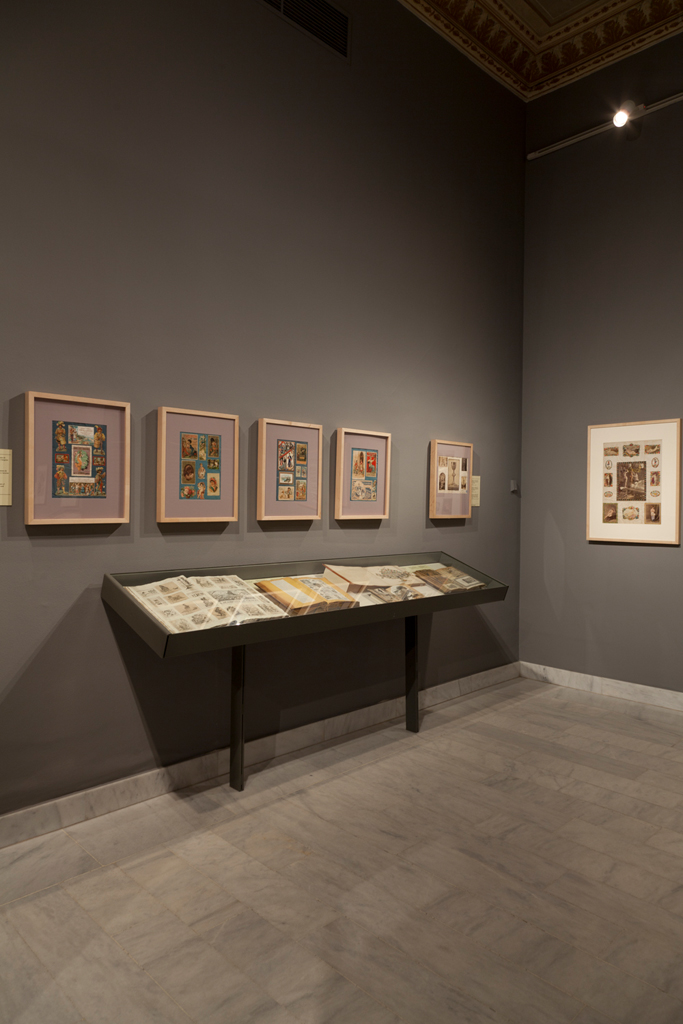
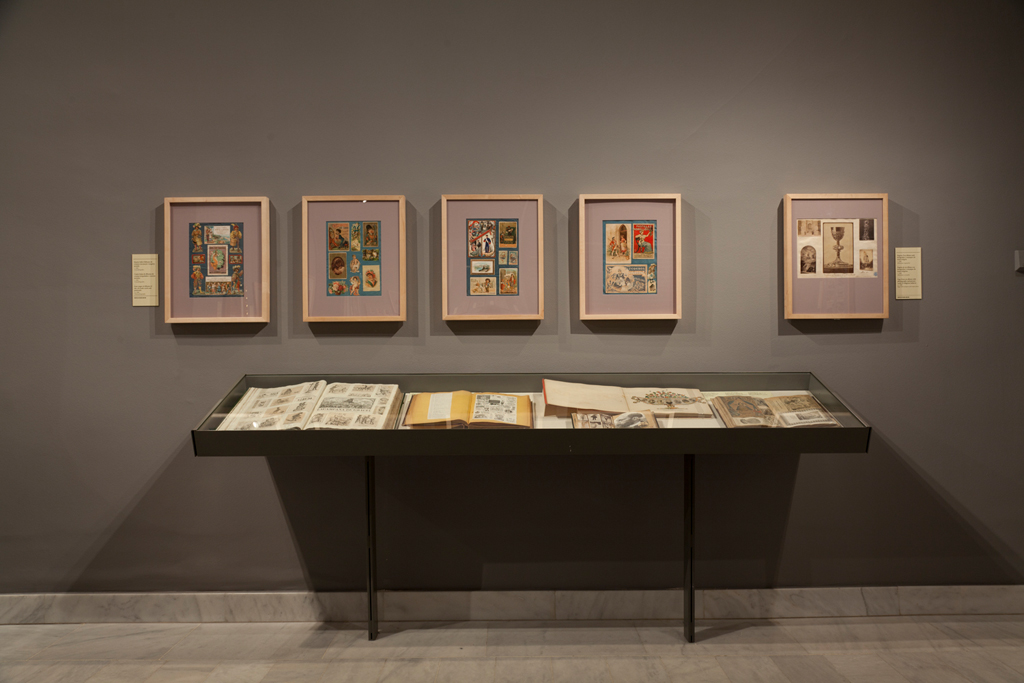
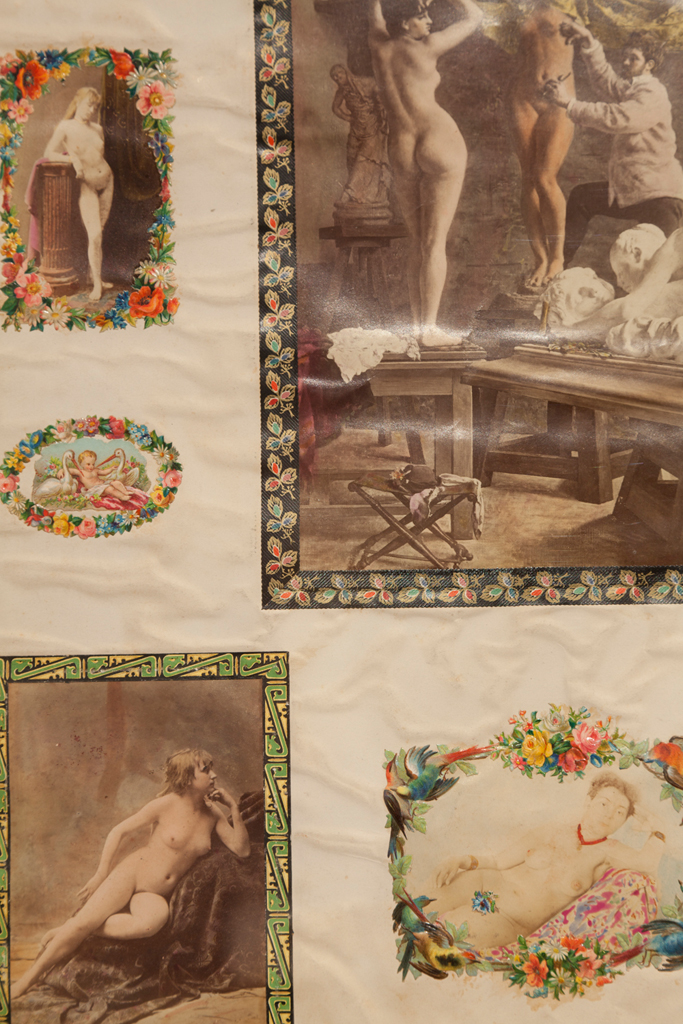
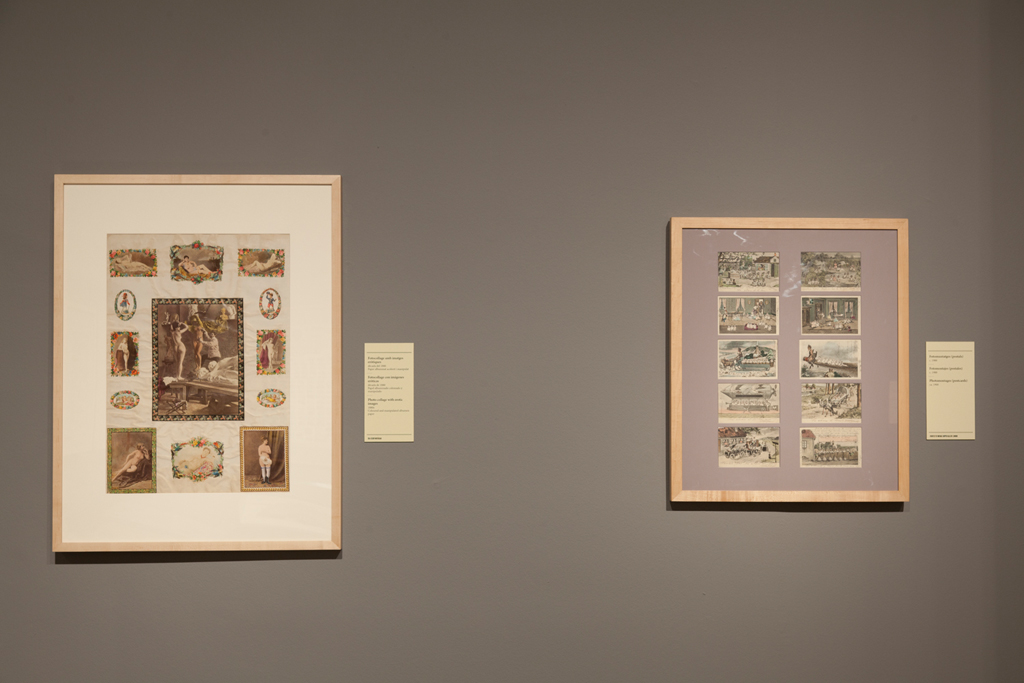
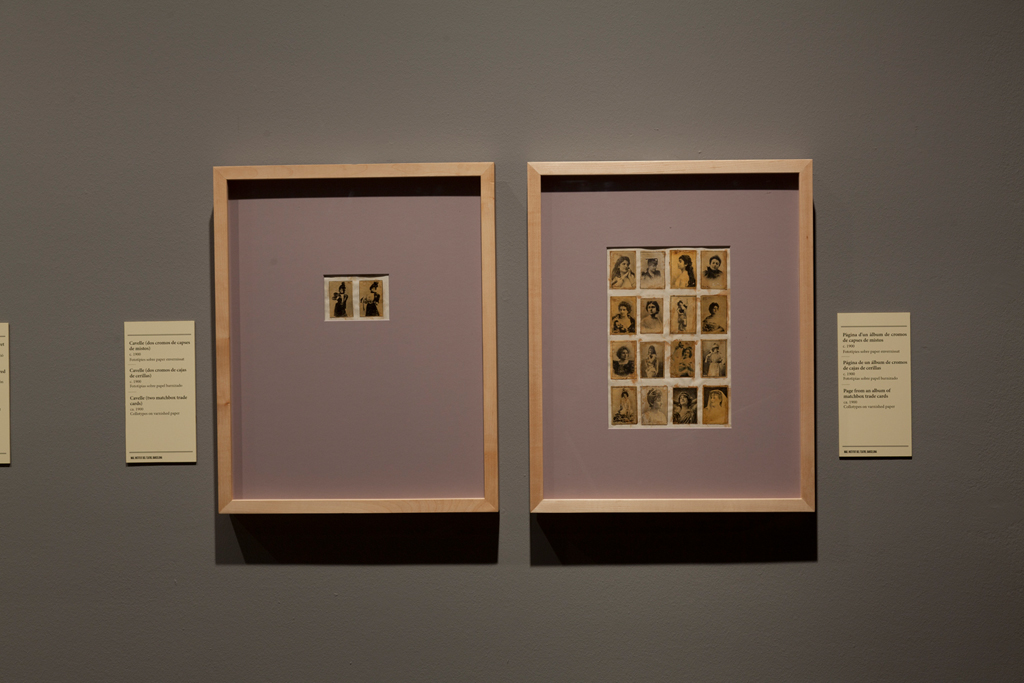
In Barcelona at the turn of the twentieth century, the graphic arts were thriving. The picture-card was a central feature; it typically came as a promotional gift, the most popular being the cromos given away with chocolate bars and matchboxes. You were given an illustrated album with allotted spaces in which to affix each picture-card as and when you added it to your collection. Each series revolved around a specific theme. This relationship between drawing and industrially copied photographs is strongly reminiscent of the duality established in Picasso's drawing.
Drawing factory I
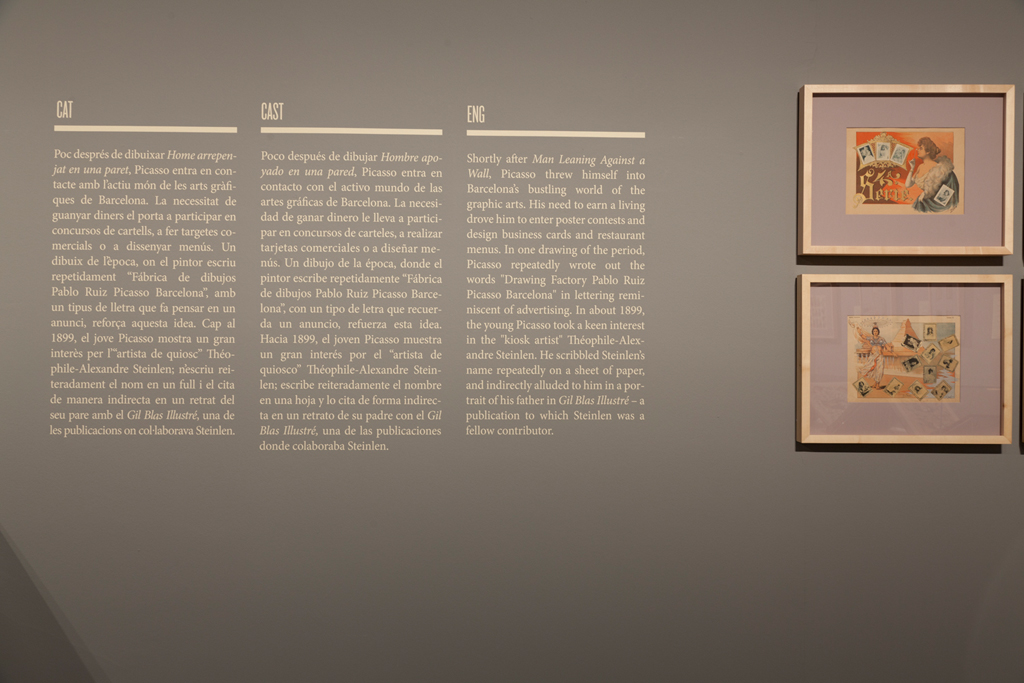
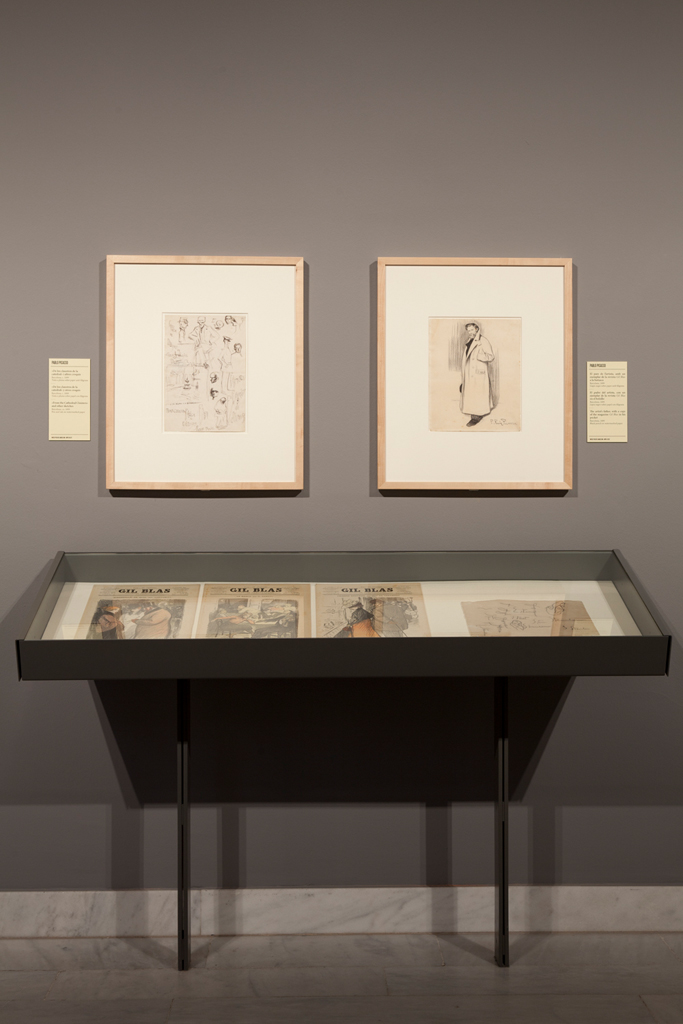
Shortly after Man Leaning Against a Wall, Picasso threw himself into Barcelona’s bustling world of the graphic arts. His need to earn a living drove him to enter poster contests and design business cards and restaurant menus. In one drawing of the period, Picasso repeatedly wrote out the words "Drawing Factory Pablo Ruiz Picasso Barcelona" in lettering reminiscent of advertising. In about 1899, the young Picasso took a keen interest in the "kiosk artist" Théophile-Alexandre Steinlen. He scribbled Steinlen’s name repeatedly on a sheet of paper, and indirectly alluded to him in a portrait of his father in Gil Blas Illustré – a publication to which Steinlen was a fellow contributor.
Drawing factory II
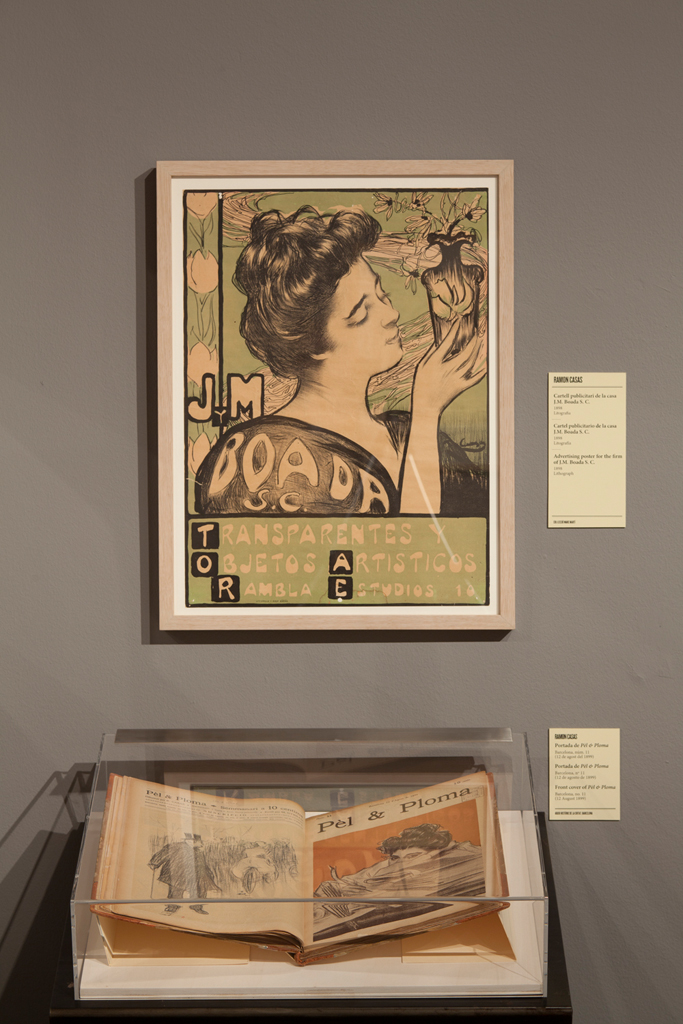
Like Ramon Casas – a designer of posters and postcards whose drawings often appeared in the press, particularly Pèl & Ploma, a magazine he edited himself – Picasso was a prolific illustrator. His work appeared in the pages of the magazines Joventut, Catalunya artística and Pèl & Ploma, and the highpoint of his career as an illustrator was Arte Joven, a publication he edited himself for several months in Madrid in 1901. Later, he designed a poster for the newspaper El liberal (1902) and contributed to French popular magazines, such as the weekly Frou-frou (four drawings in 1901 and 1903).
Collage as social practice
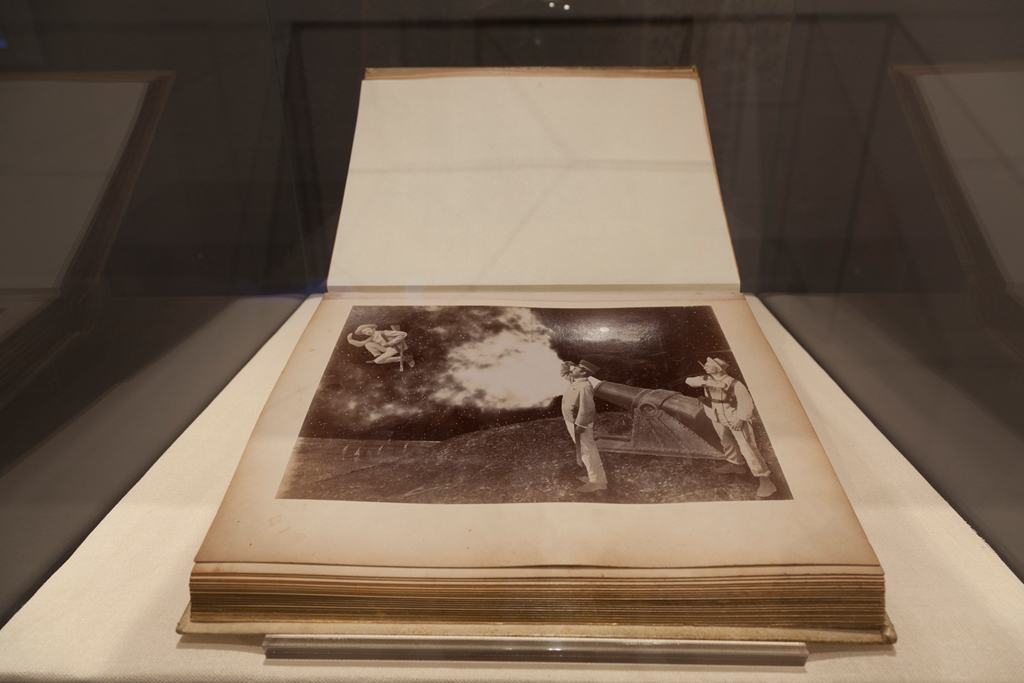
By the late 19th century it was a popular pastime to cut out printed illustrations and put them together in a composition of your own. In photography, too, “clichés” were routinely cut, pasted and photographed afresh. Clippings were assembled to create new illustrations, which were then printed as postcards. This offshoot of the visual arts extended to posters, the small ads, theatrical programmes and ladies' fans. These were the trends forming the background to Picasso’s drawing.
Picasso: Cut and paste
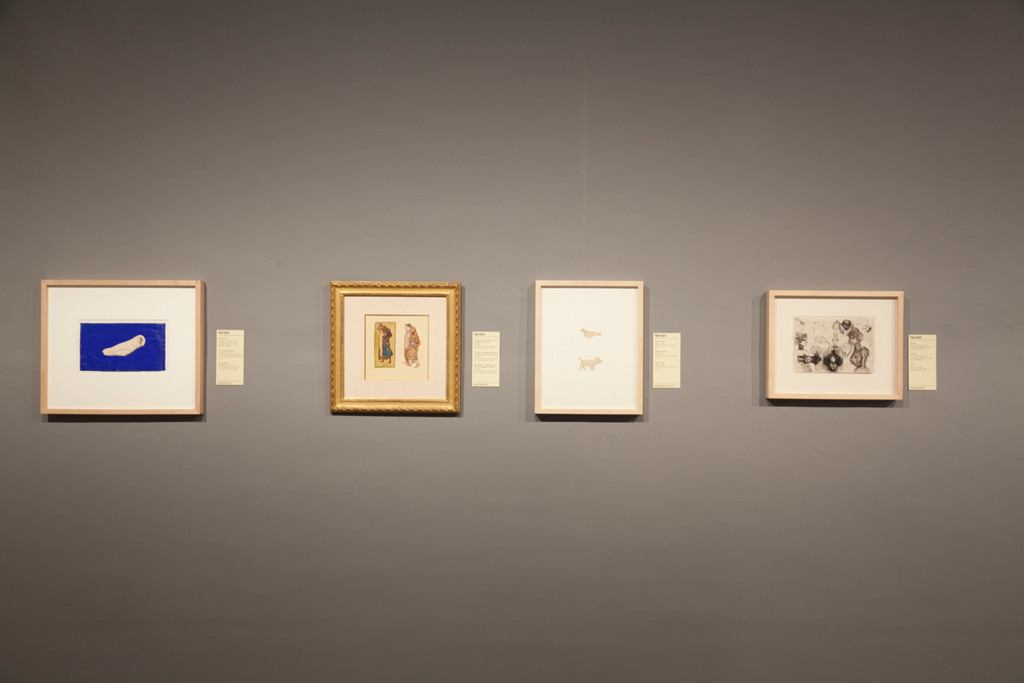
Cutting and pasting was characteristic of Picasso. Even as a boy in Malaga, in 1890, he used scissors to cut out drawings, like this surviving picture of a dog. He made further use of this discovery in his later career, for quite different purposes. Many of his drawings enact a juxtaposition of violently opposed styles. In 1906, Picasso began to alloy post-Renaissance art with alternative traditions – Iberian, Australasian and African art – that at the time were still sneered at and misunderstood. It is not unfair to say that the whole of Cubism rests on that juxtaposition of languages. The process came to a head in the spring of 1912. Picasso glued an oil cloth to his painting Still Life with Chair-caning, and invented collage.
Chronicle of the exhibition
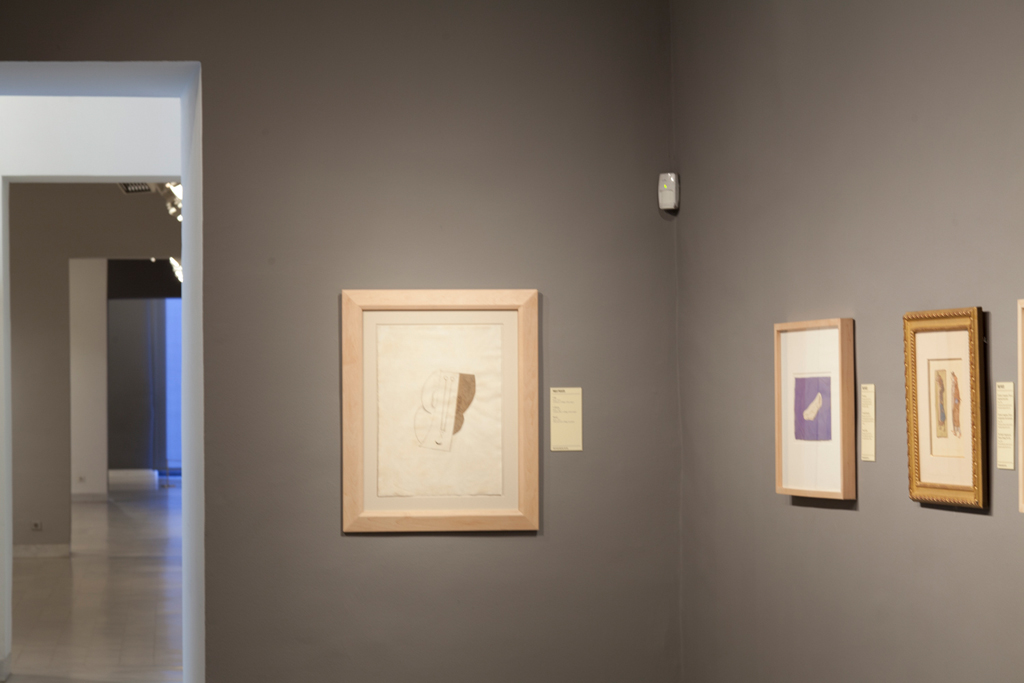
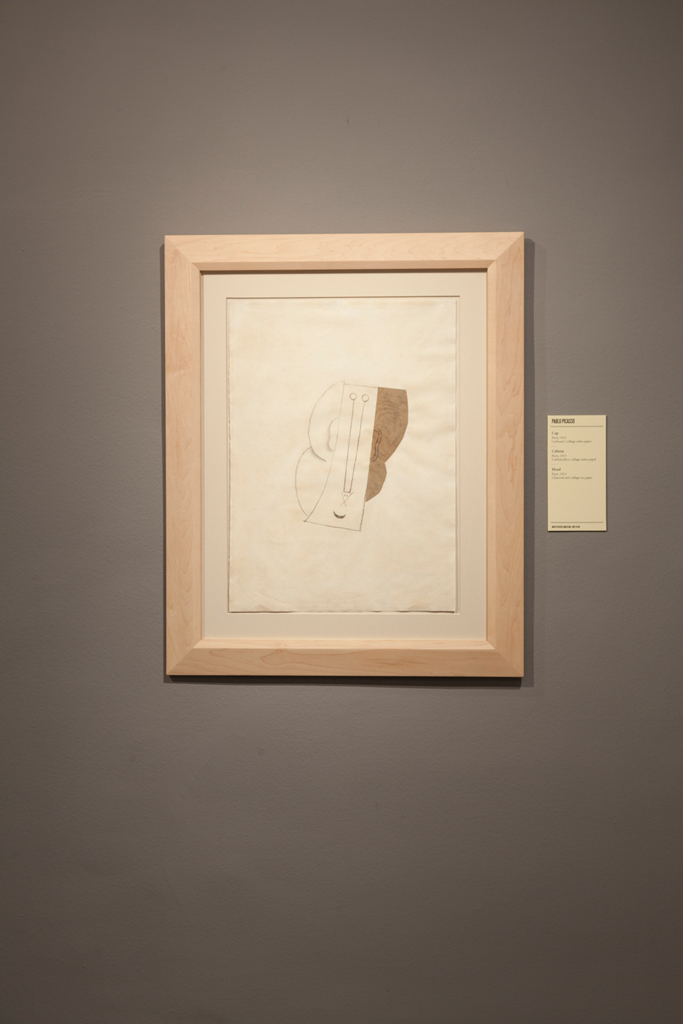

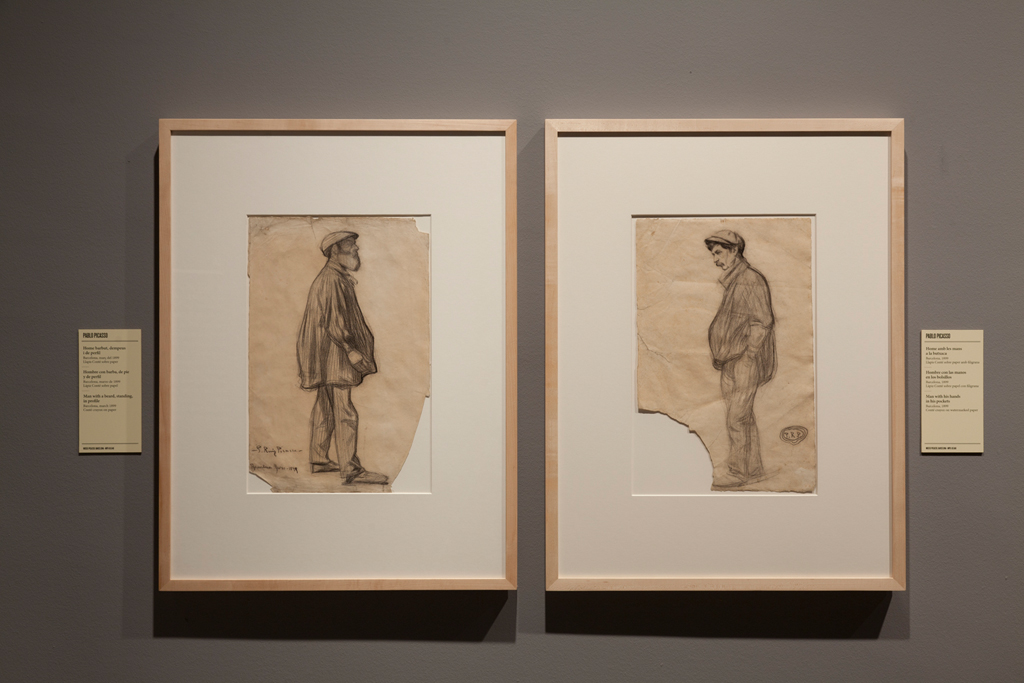
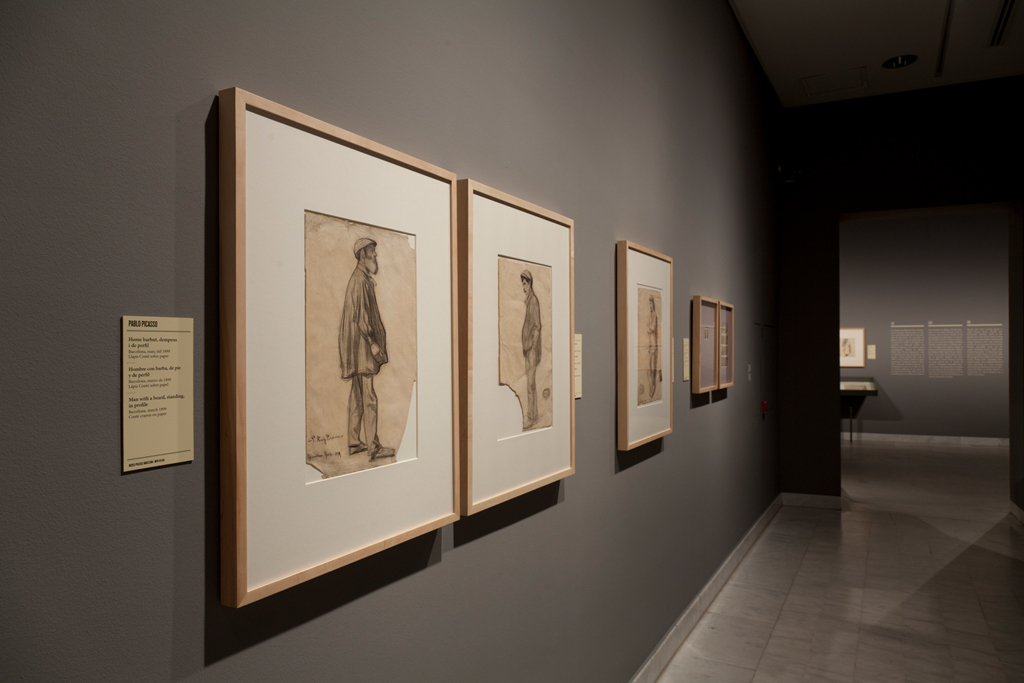
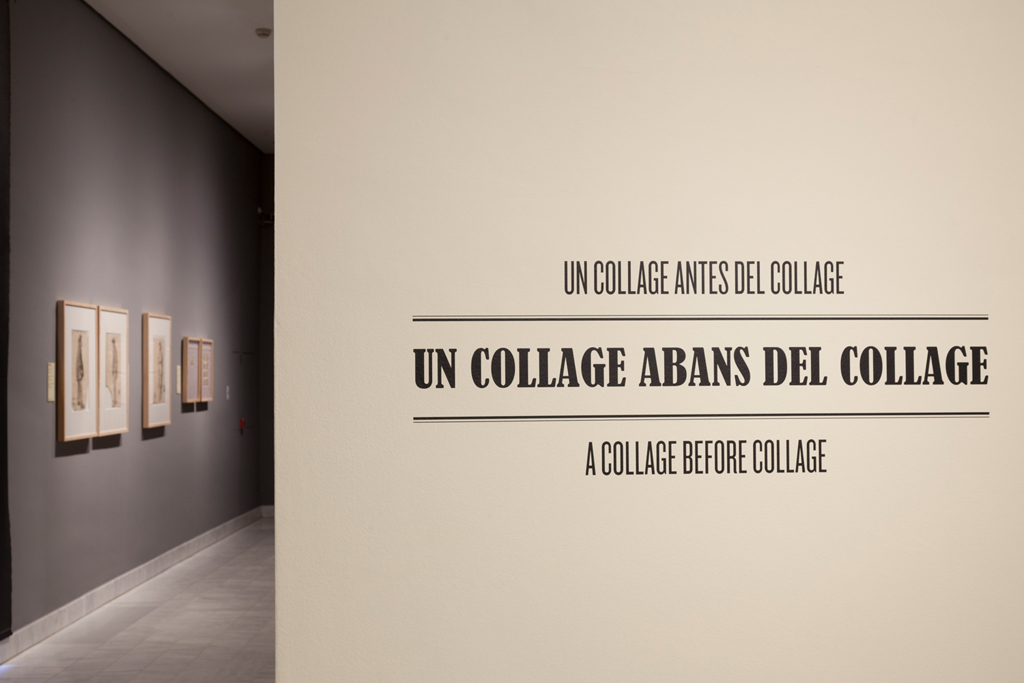

Artworks of the Collection
Picasso, Pablo

Picasso, Pablo
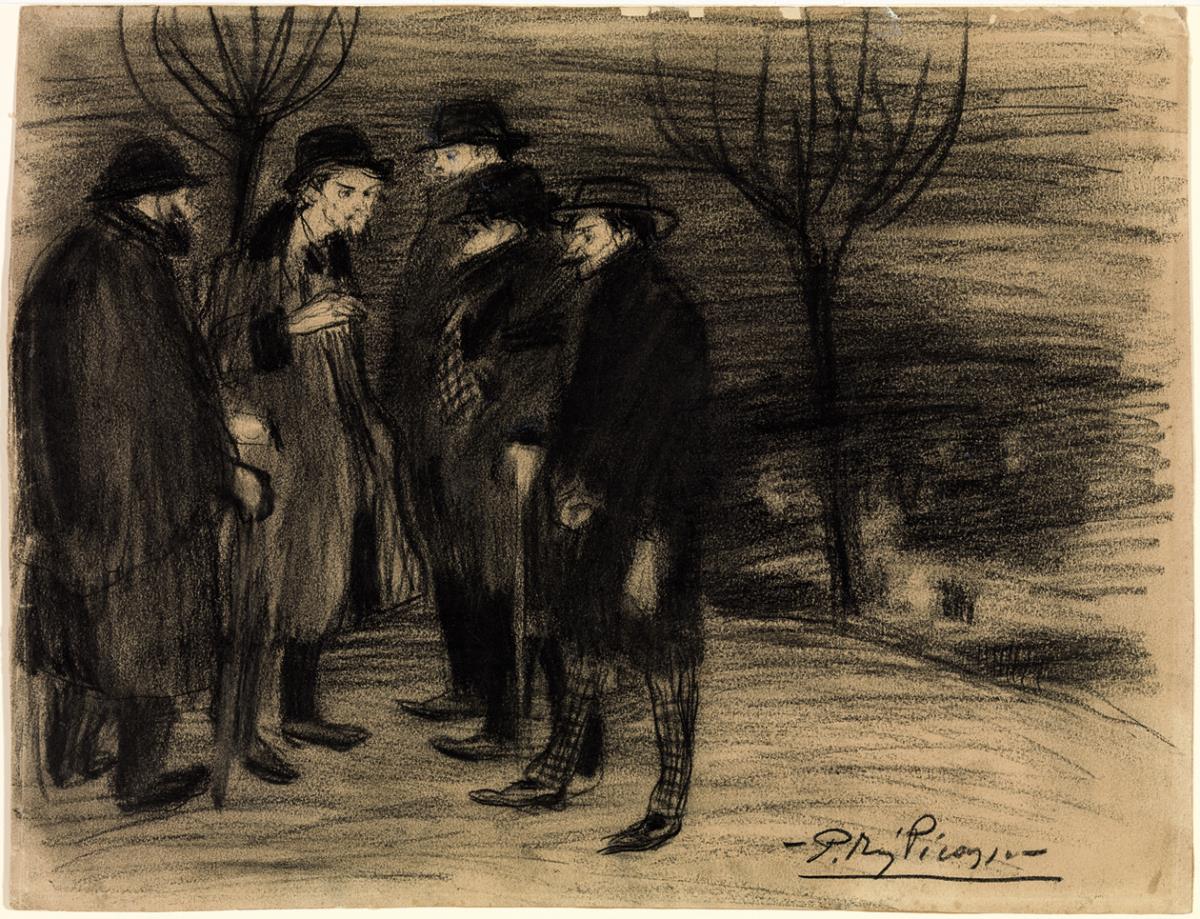
Picasso, Pablo
1901
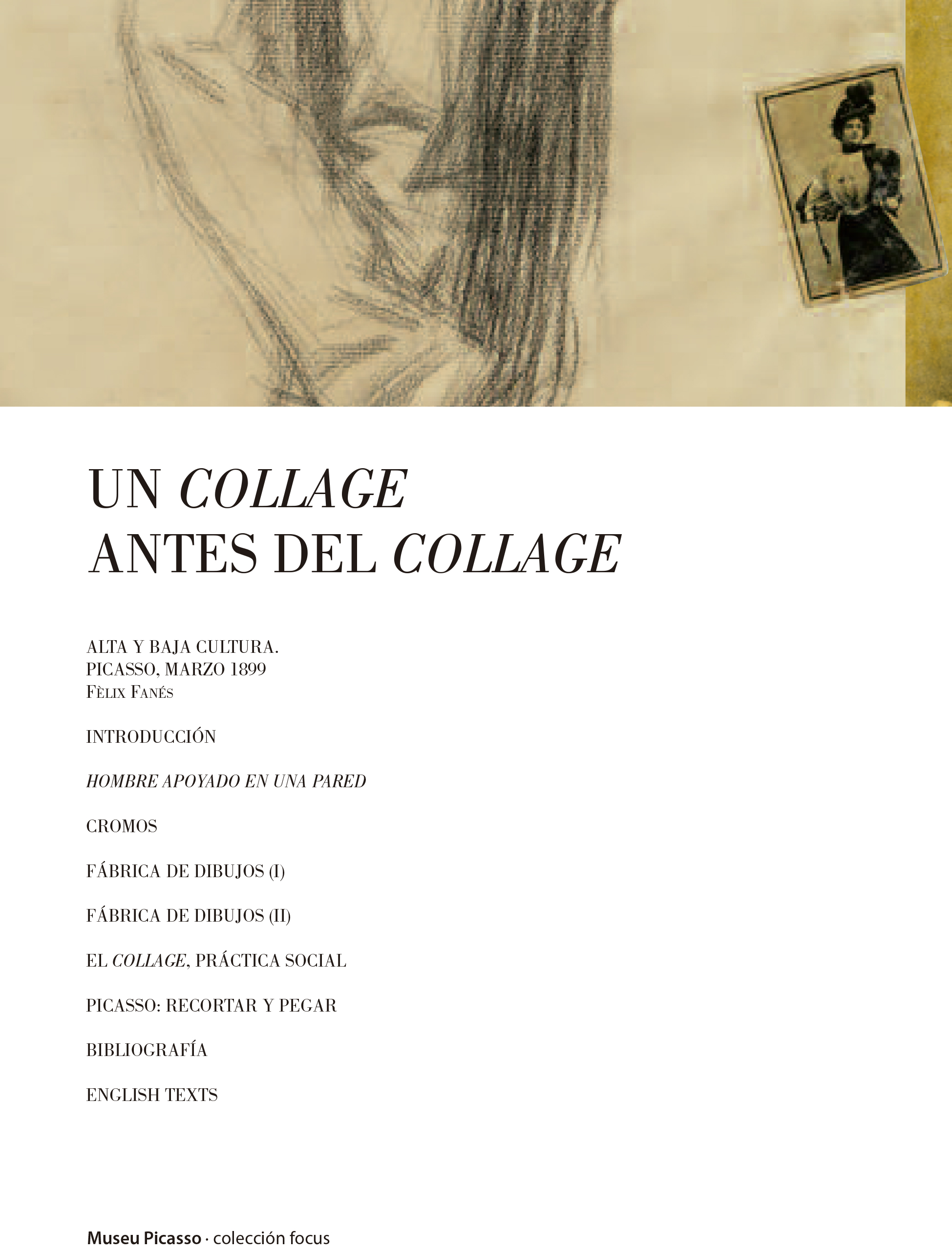
Focus Collection 3: A Collage before Collage
Man Leaning against a Wall, a drawing that Picasso made in March 1899, when he was attending life classes at the Cercle Artístic de Barcelona, provides Fèlix Fanés with the starting point for a consideration of whether this work is or is not a collage —a technique generally regarded as dating in its modern form from 1912. Fanés takes us on a fascinating journey through the personal and social contexts in which the artist was moving in these fin-de-siècle years. His skilfully told narrative traces the origin of the picture card pasted onto the bottom right corner of the drawing and in passing portrays the new visuality of this period in which drawings and photographs vied for position in the large-circulation illustrated papers and magazines, the boom in the mass production of printed images, which inundated everyday life, and the vogue for collecting them that seized a large part of the population.
Design: Edicions de l'Eixample.


