Picasso and architecture
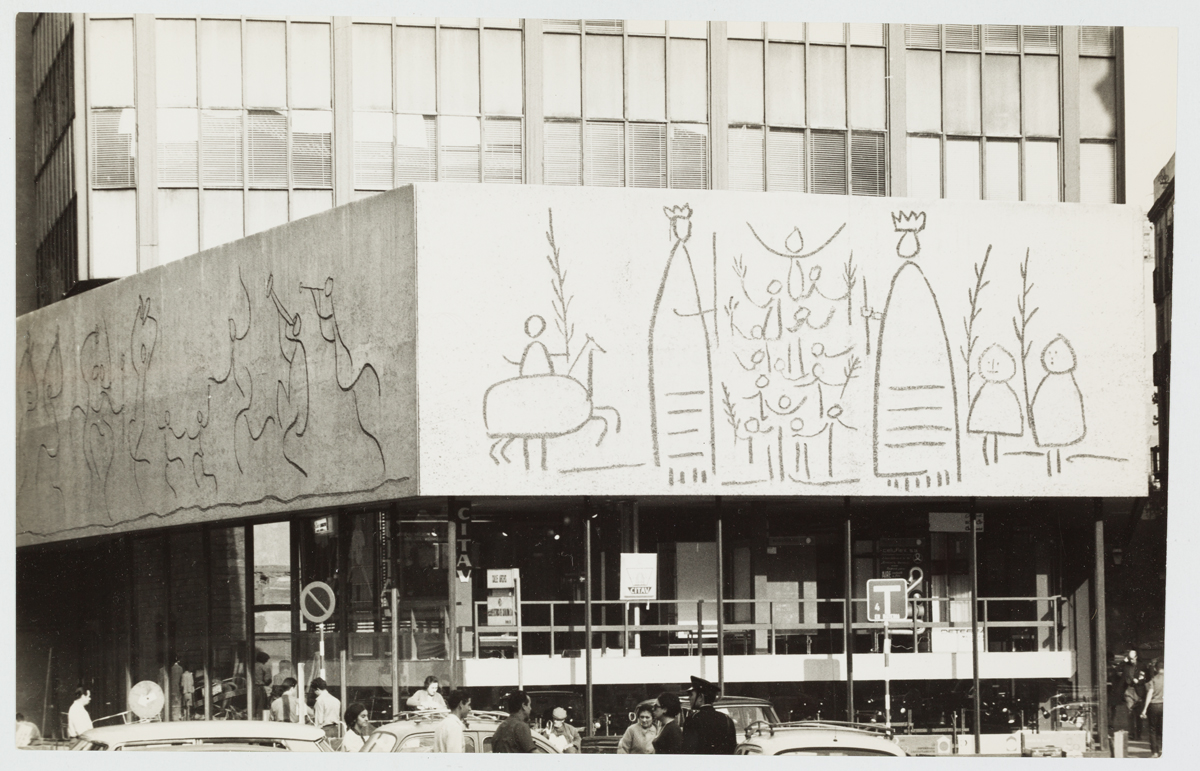
This exhibition explores the relationship between Picasso's work and modern architecture. On the one hand, it highlights Picasso's contribution to the construction of contemporary space; on the other, it explores the determining influence of his work on the development of modern architecture.
Through cubism, Picasso revolutionised the representation of space, incorporating new dimensions of perception based on geometry, science and abstraction. With a new spatial and plastic language, he incorporated techniques such as collage, fragmentation, superposition, montage, translation and transparency. This new set of tools not only transformed pictorial art but also influenced architecture and provided a new framework for thinking and designing spaces.
Even though Picasso never built any architectural works, his relationship with the discipline is meaningful. He collaborated with different architects on several occasions to create works conceived for specific spaces. In this exhibition, we will present cases such as Guernica, painted for the Spanish Pavilion at the 1937 International Exhibition in Paris, and the 1962 friezes of the building of the School of Architects in Barcelona. In both cases, the same question arises, despite the differences in time and nature: whether the synthesis between painting and architecture is, in fact, possible.
Among the great masters of modern architecture, Le Corbusier is the most influenced by Picasso. The shift from traditional painting techniques towards science and mechanisation spurred a renewal in architectural design and introduced universal symbols inspired by Picasso's world.
The exhibition is organised into six sections that guide visitors through the exhibition: 'The Architect', 'Urban Visions', 'The Interior', 'Cages of Space', 'A Synthesis of the Arts?' and 'Picasso and Le Corbusier', offering a fresh perspective on the dialogue between painting and architecture throughout the 20th century.
As part of: