
Picasso Poet
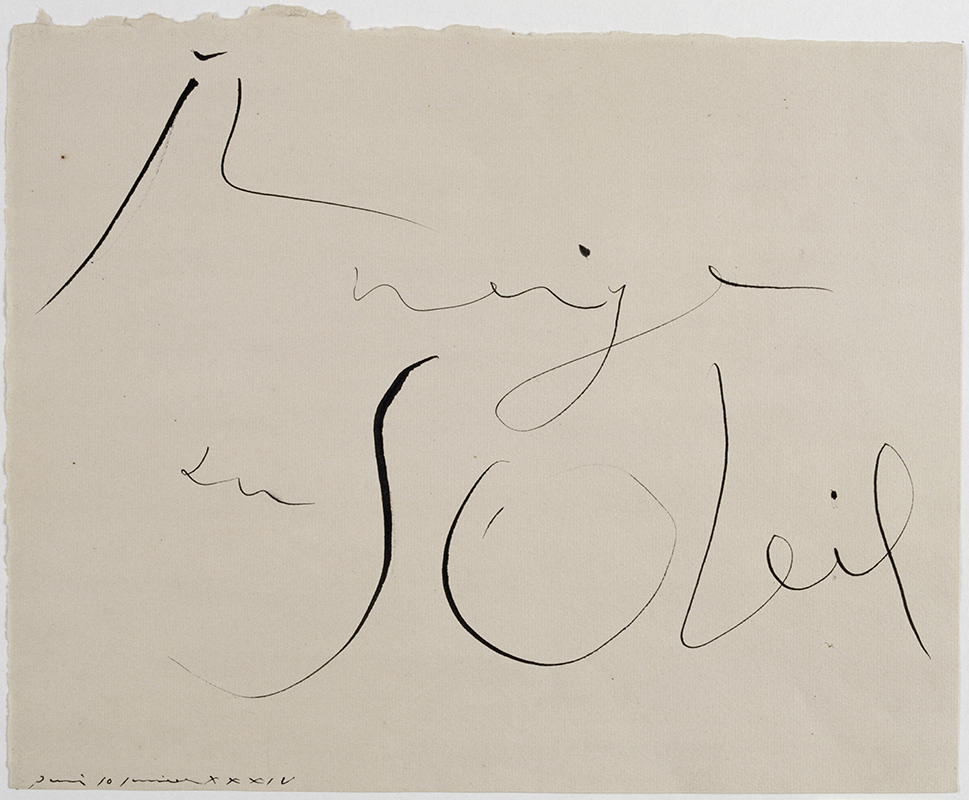
«If I were Chinese, I would not be a painter but a writer: I would write my paintings.»
«When it comes down to it, all arts are one. You can write a painting with words, just as you can paint feelings in a poem.»
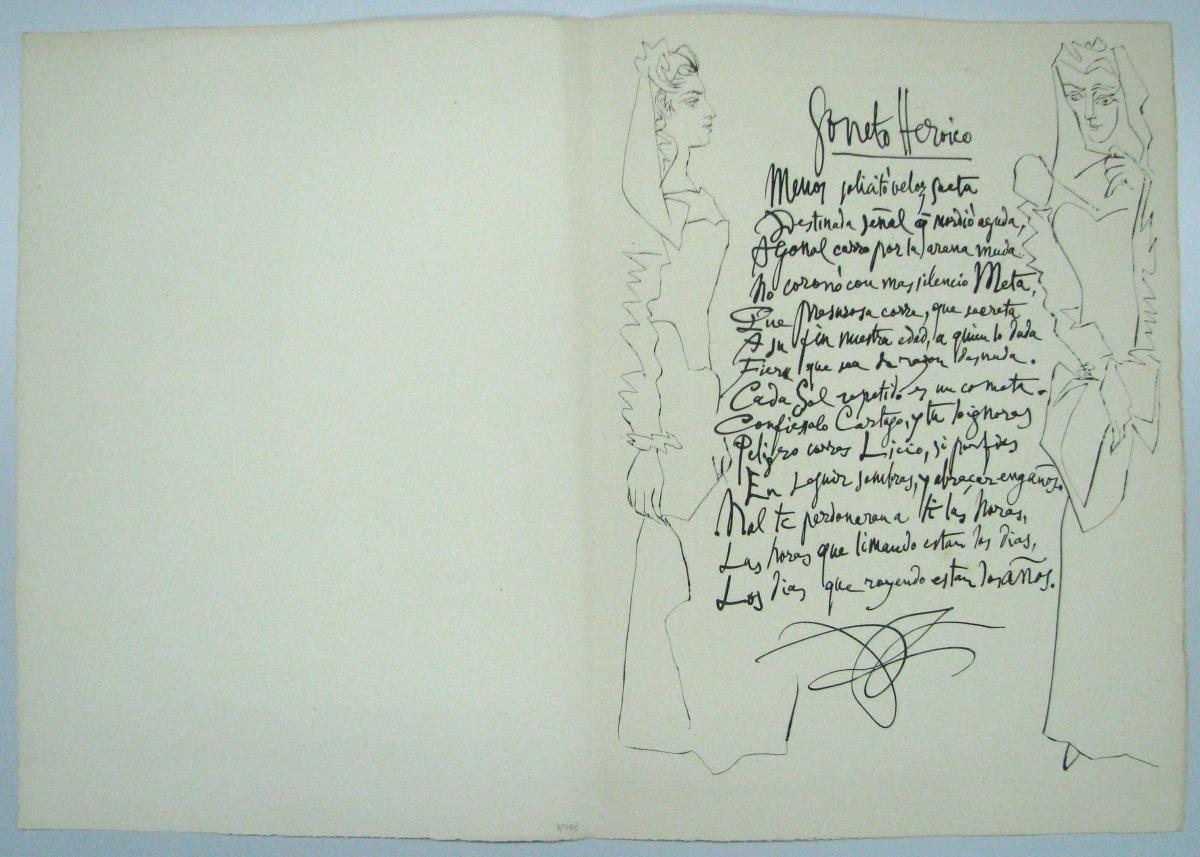
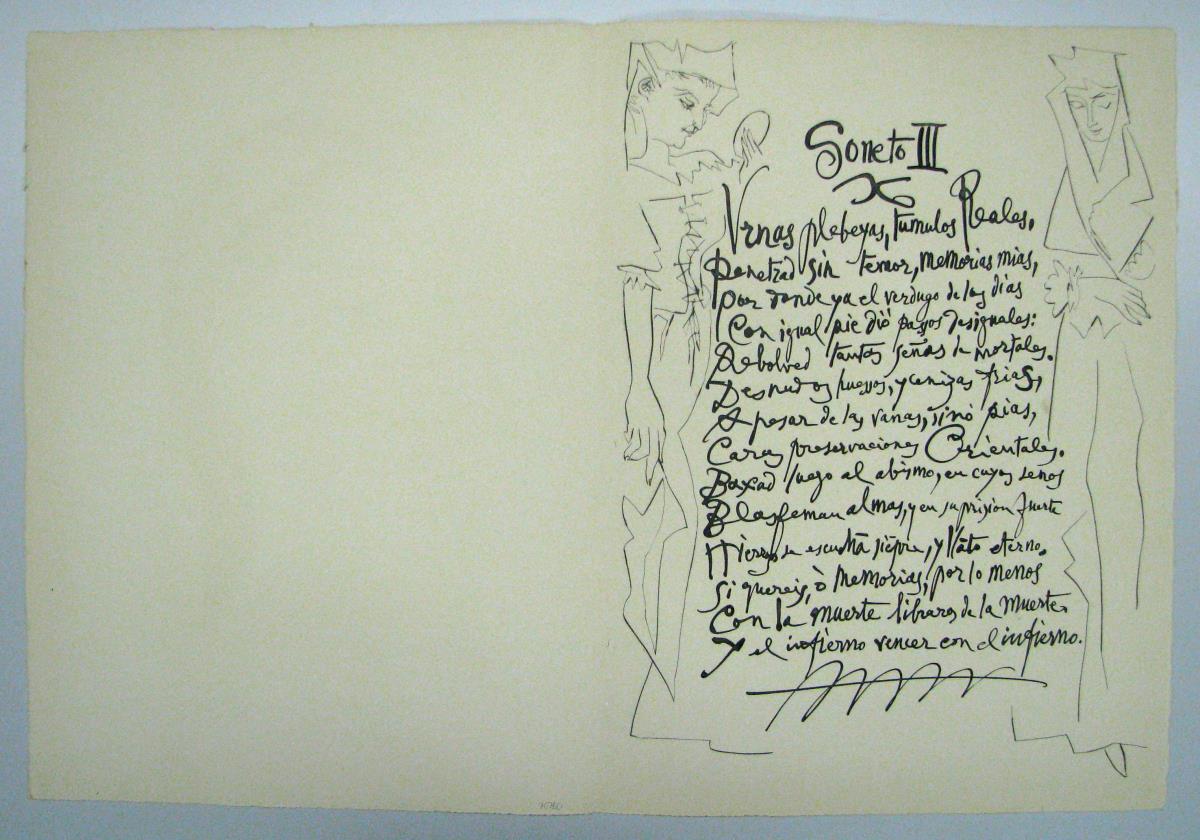
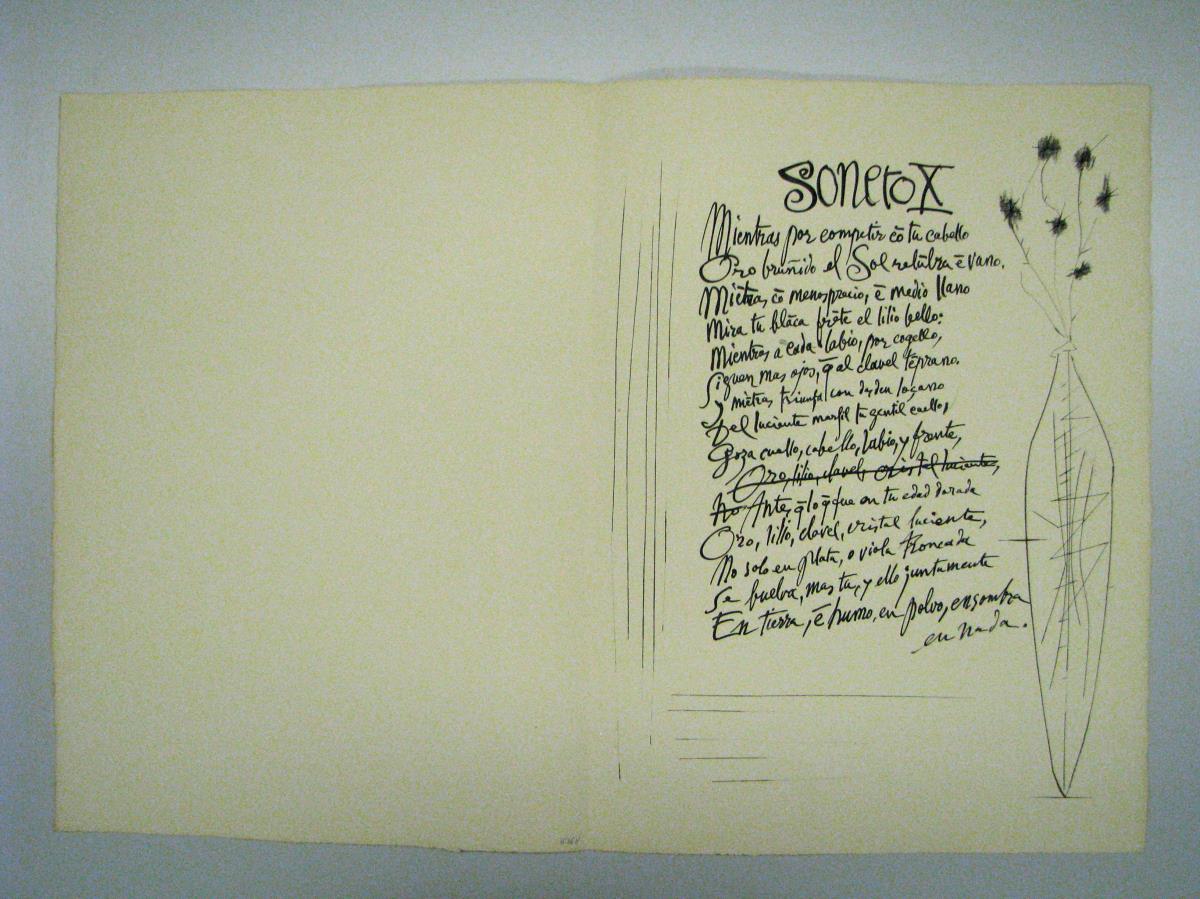
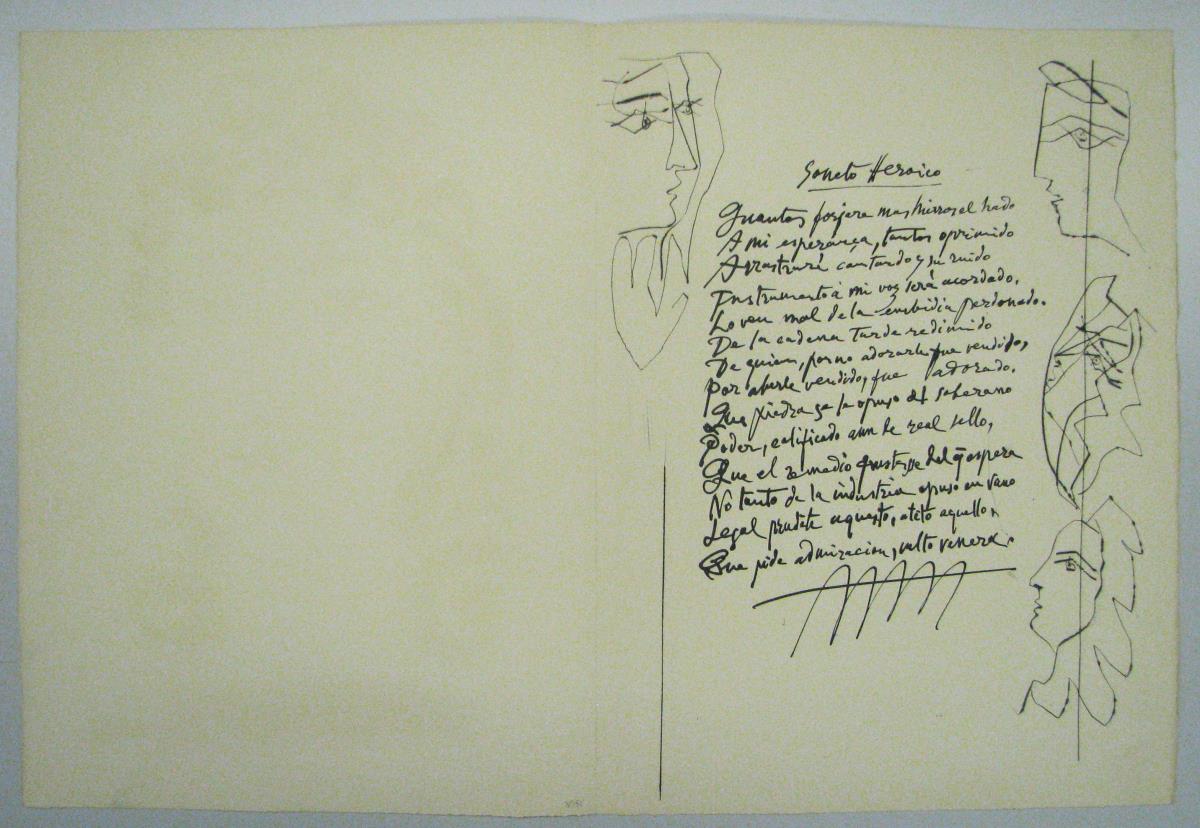
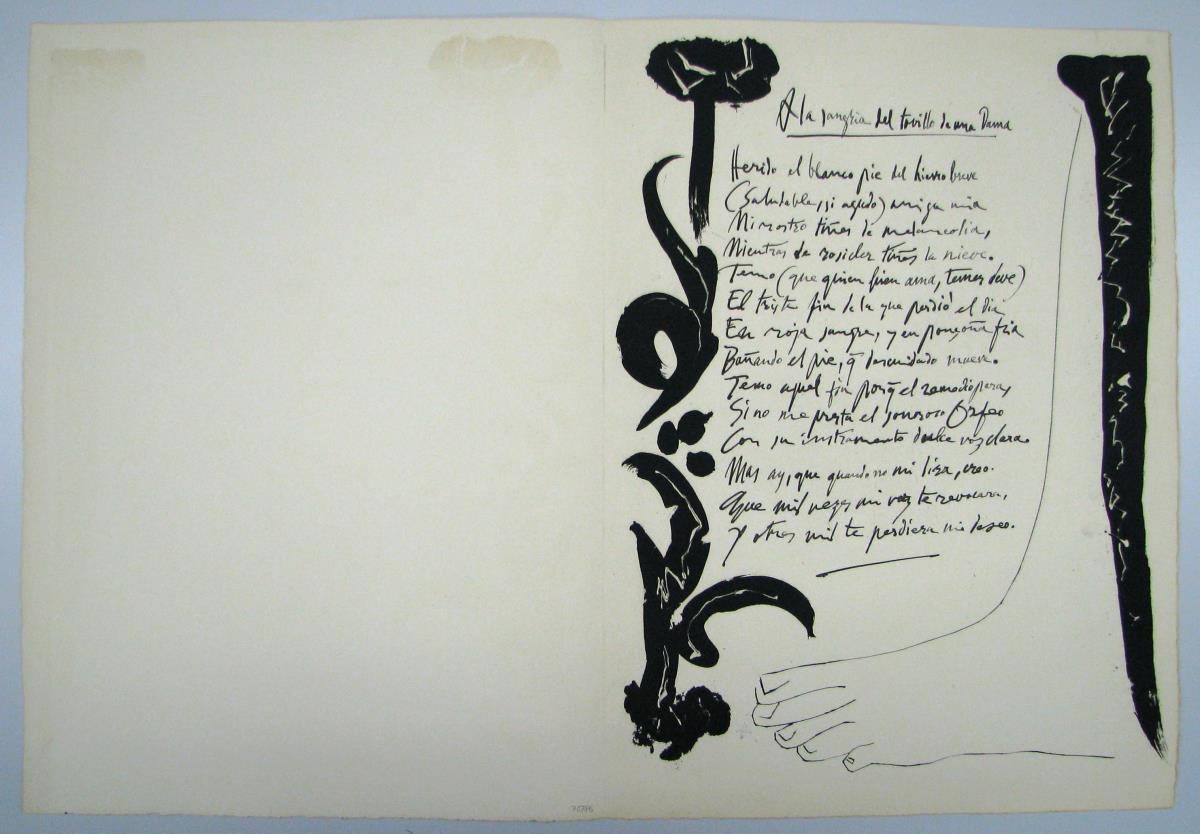
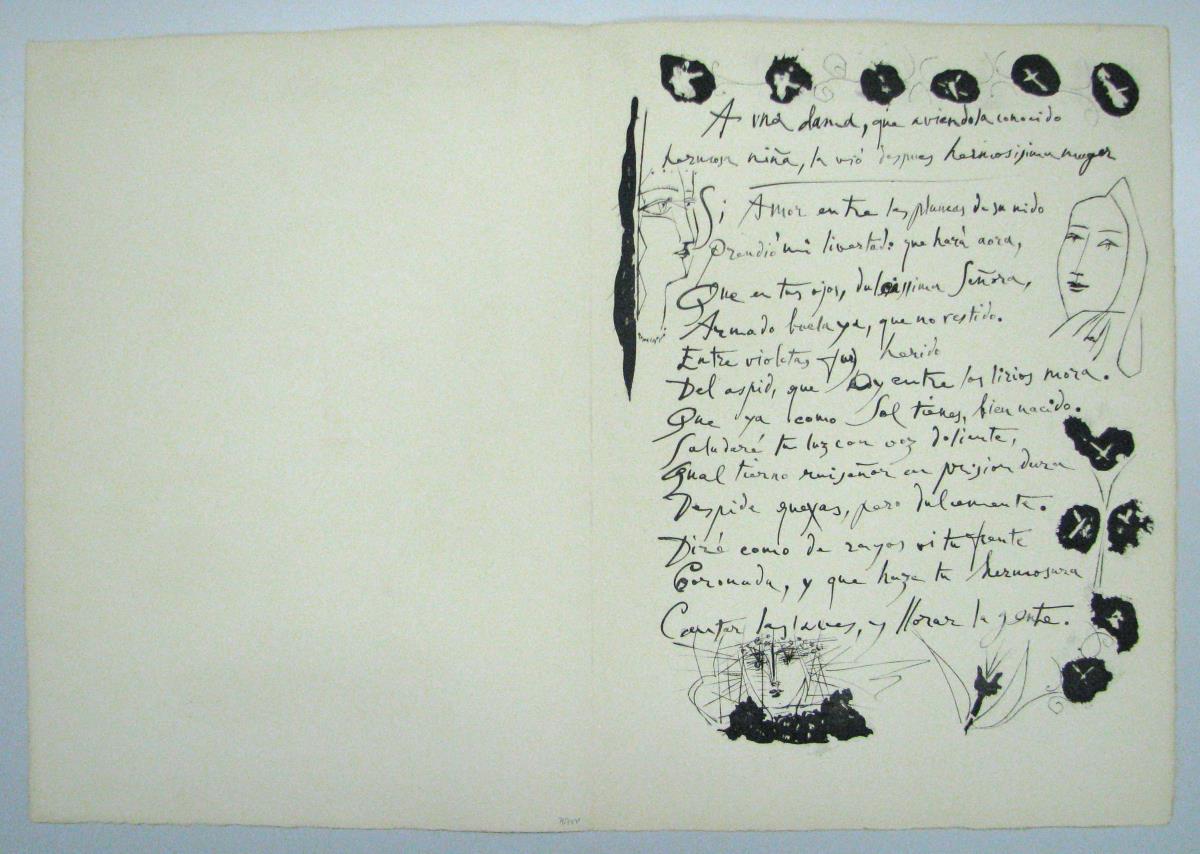
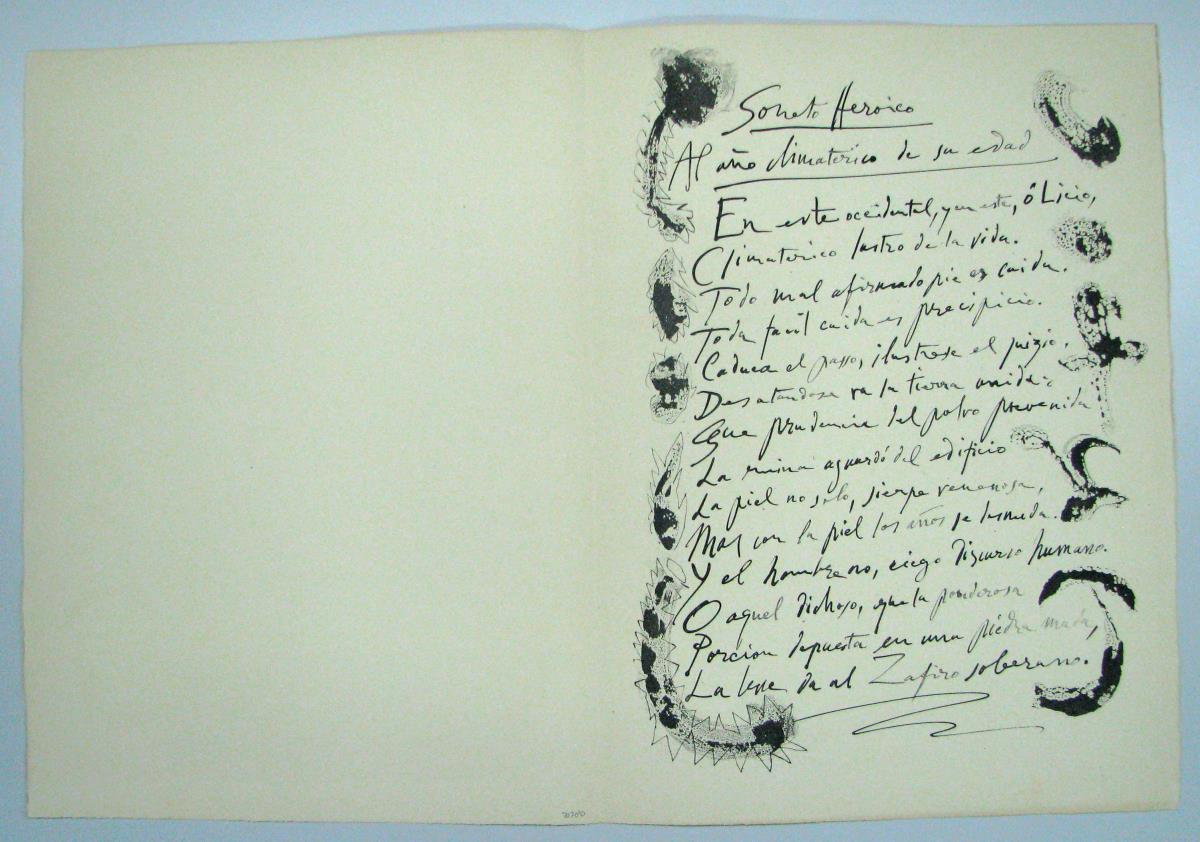
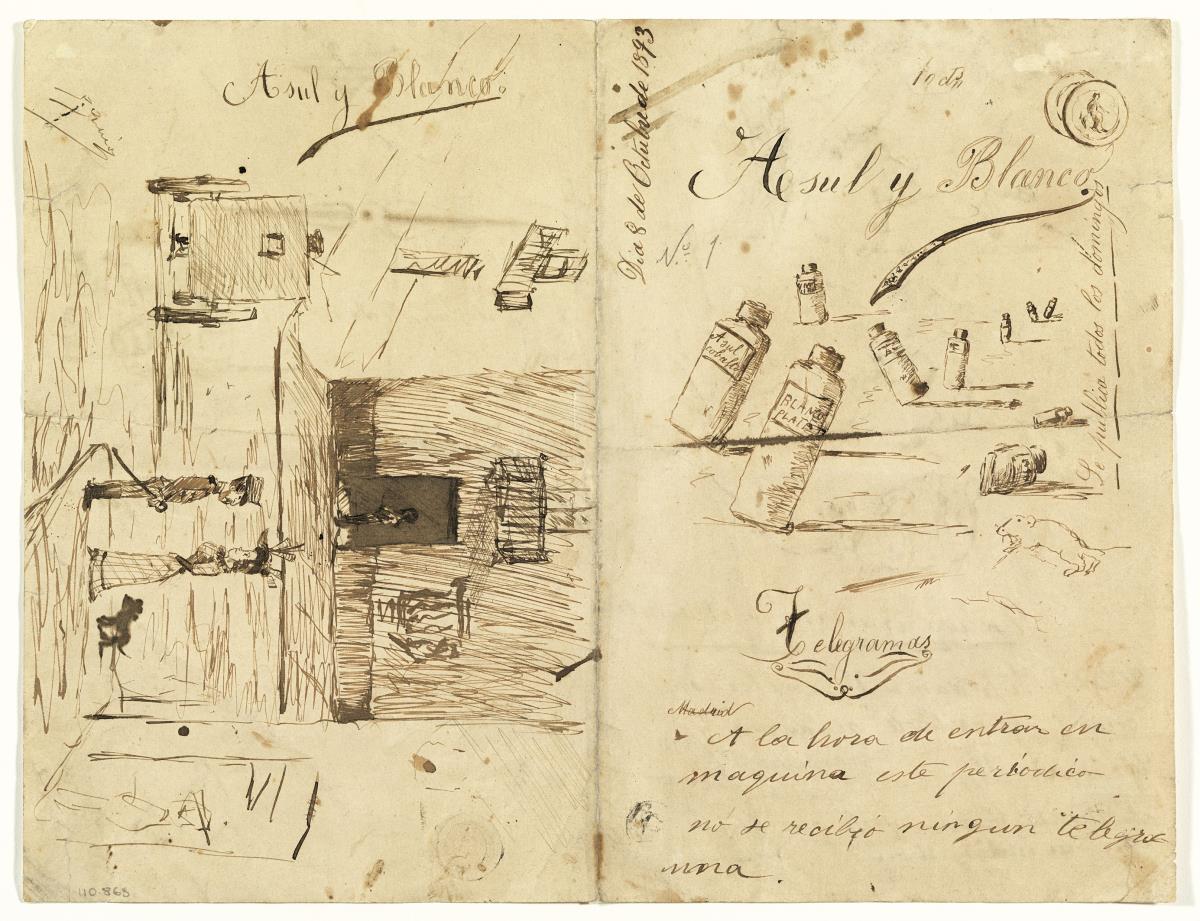
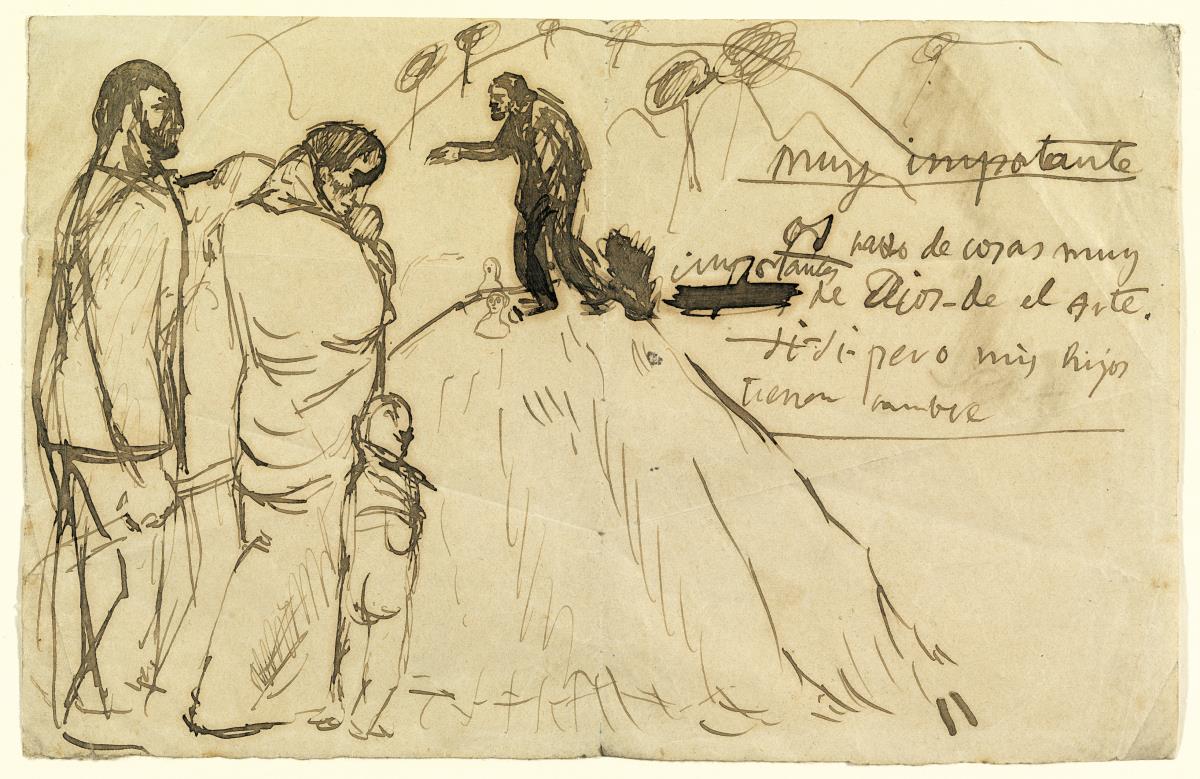
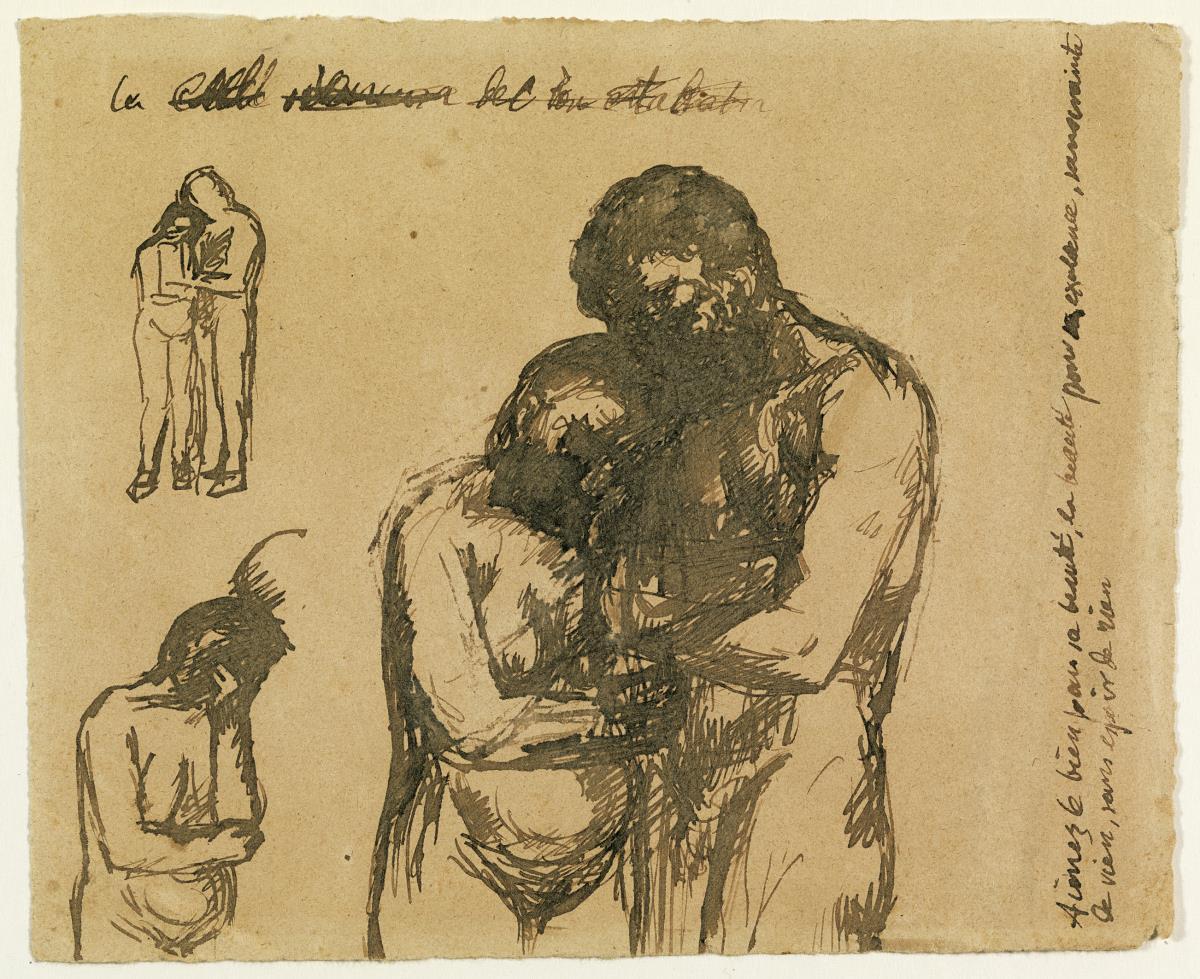
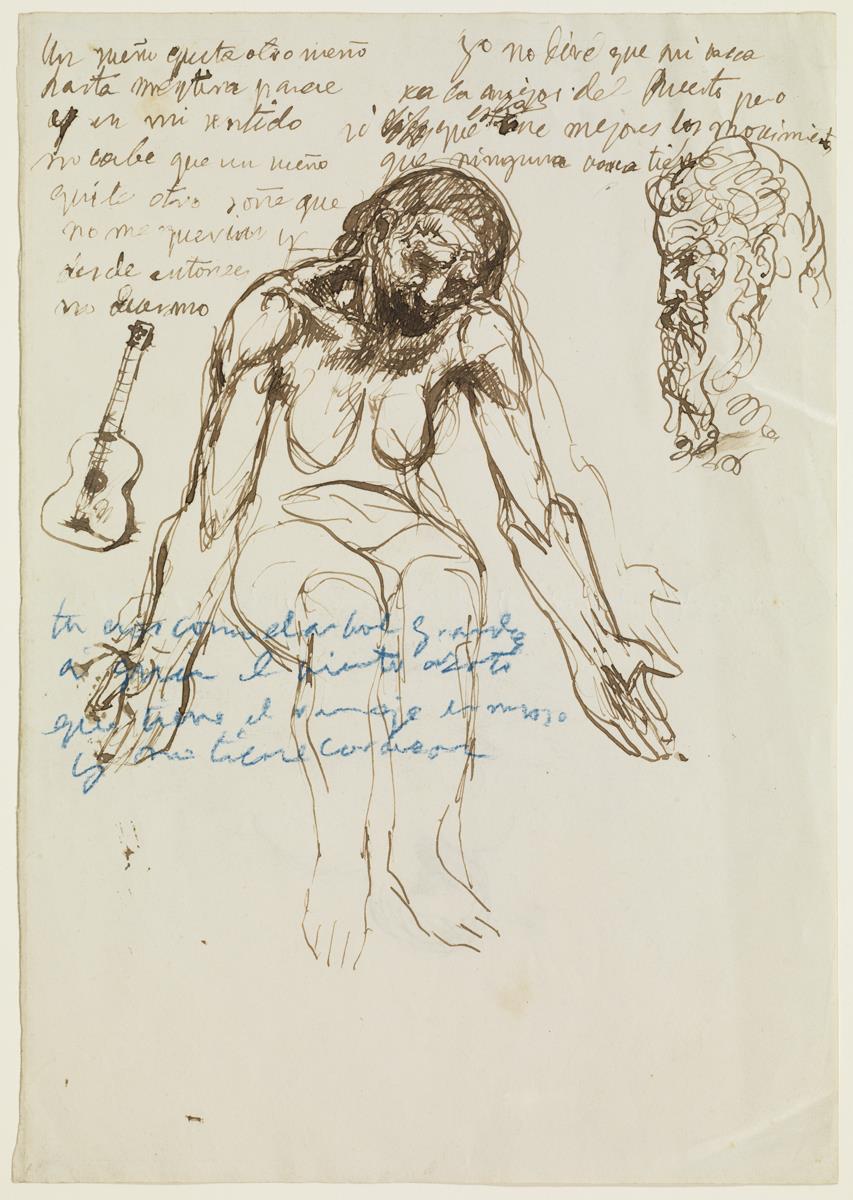
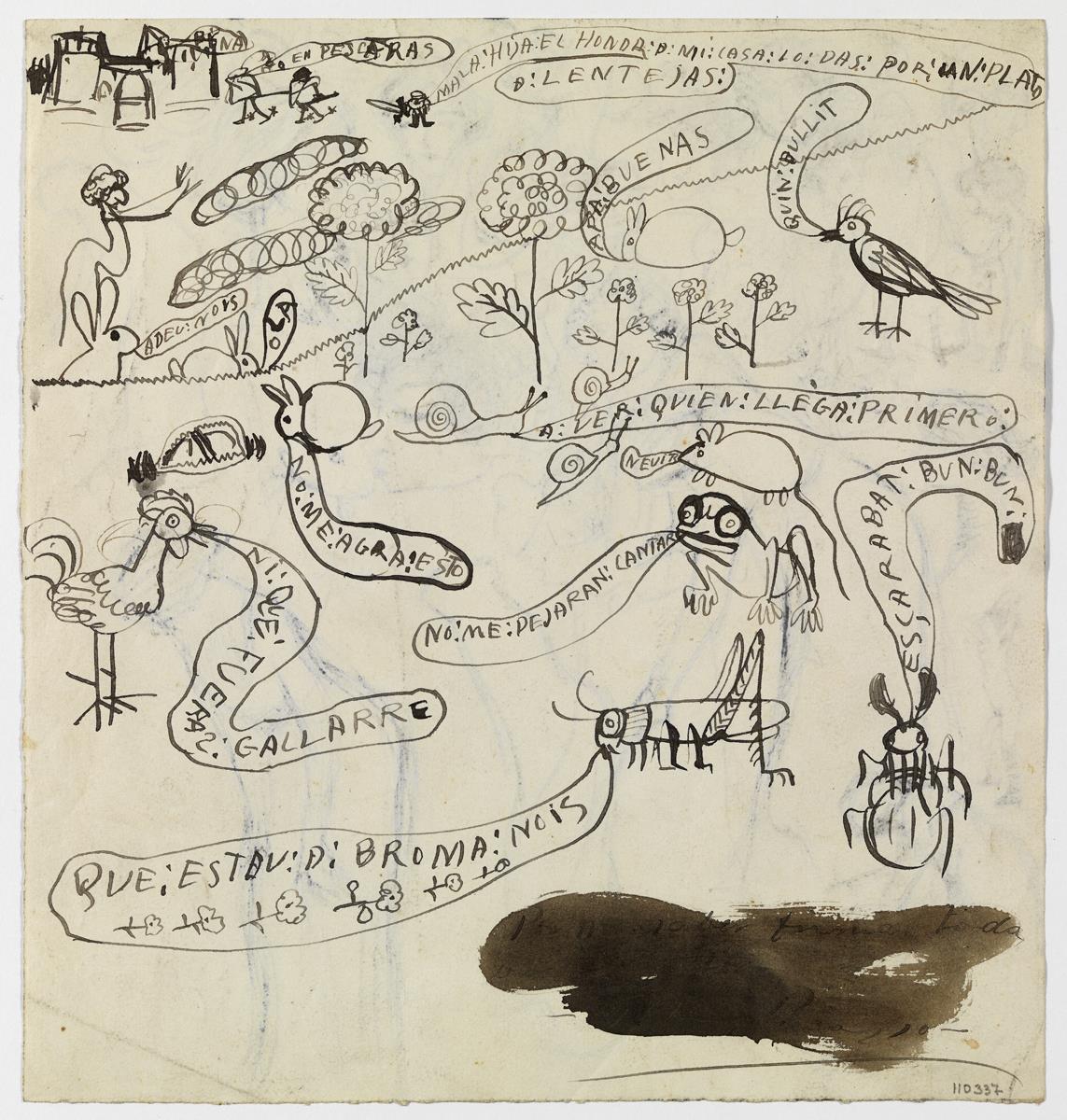
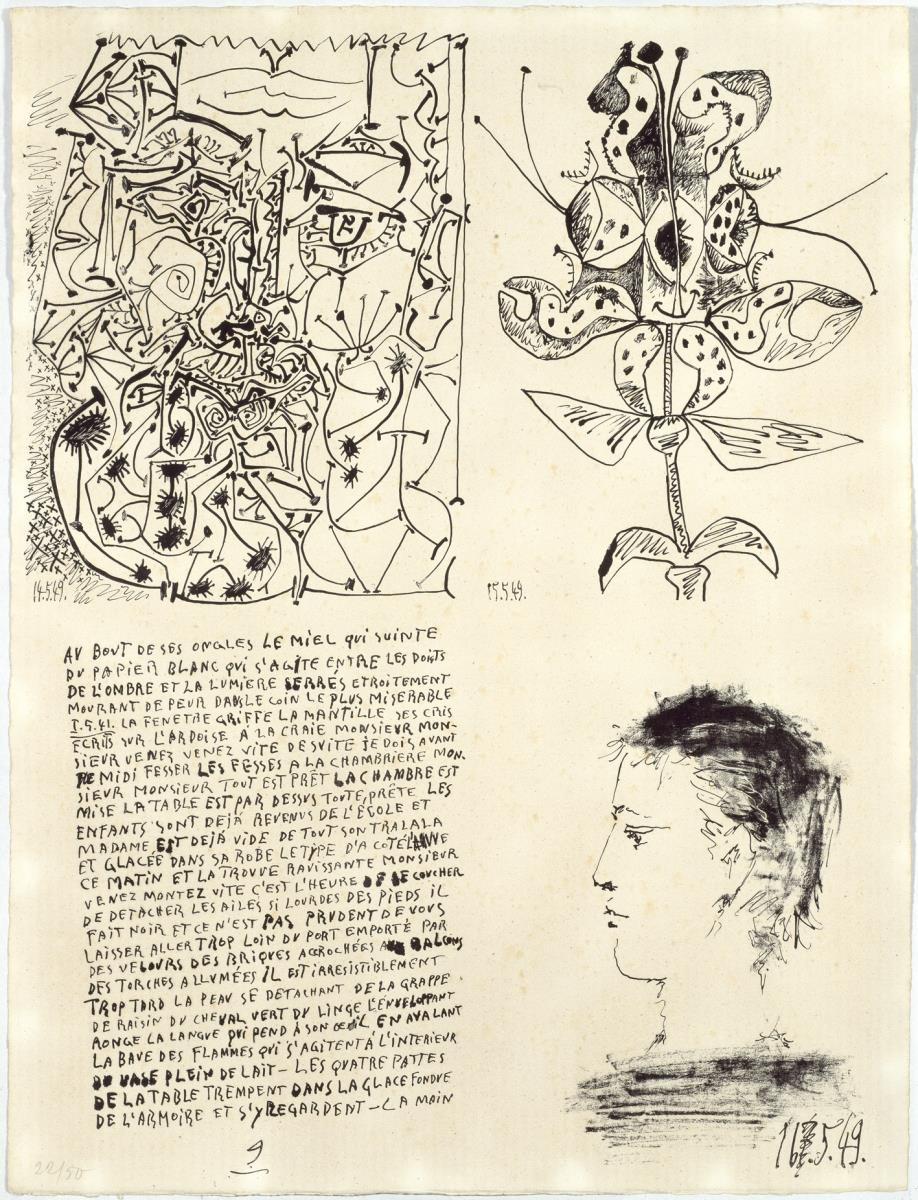
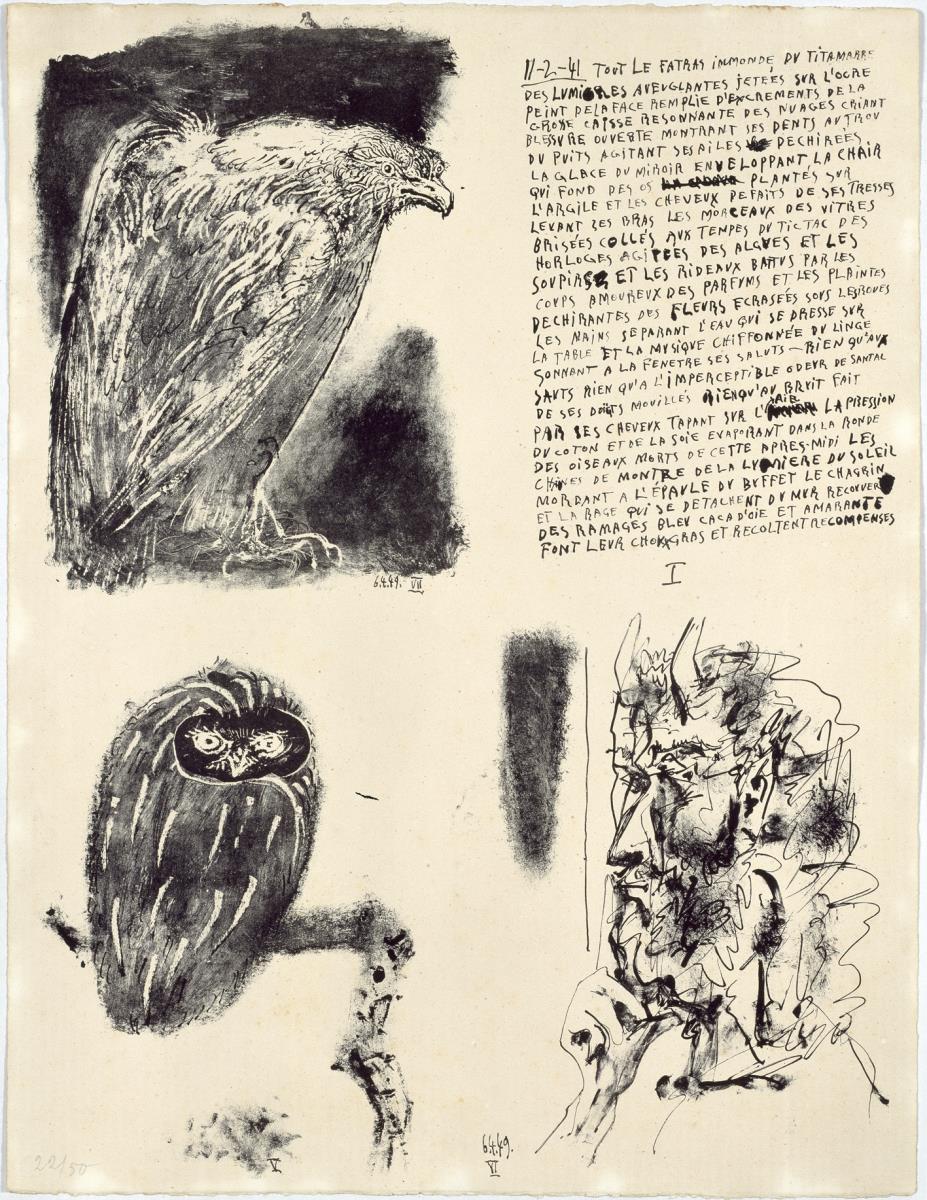
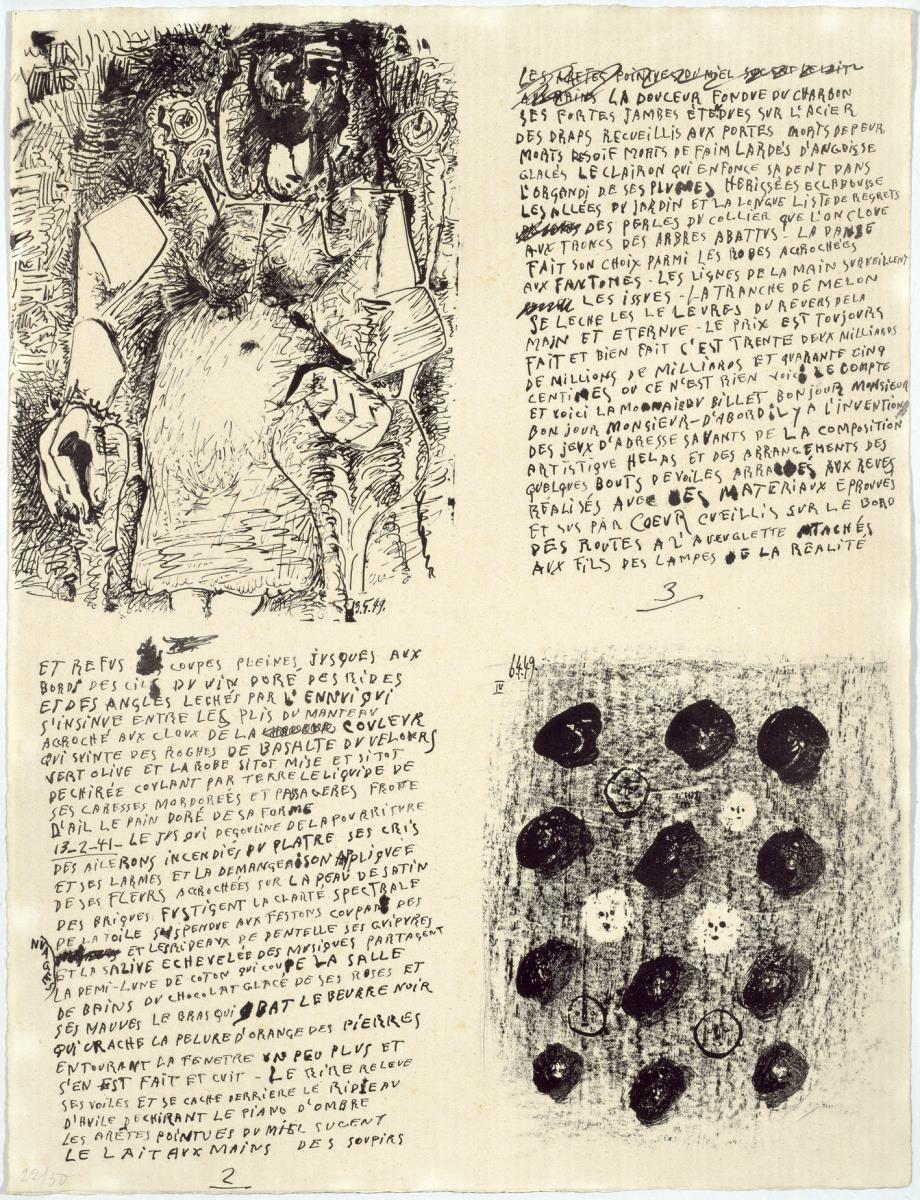
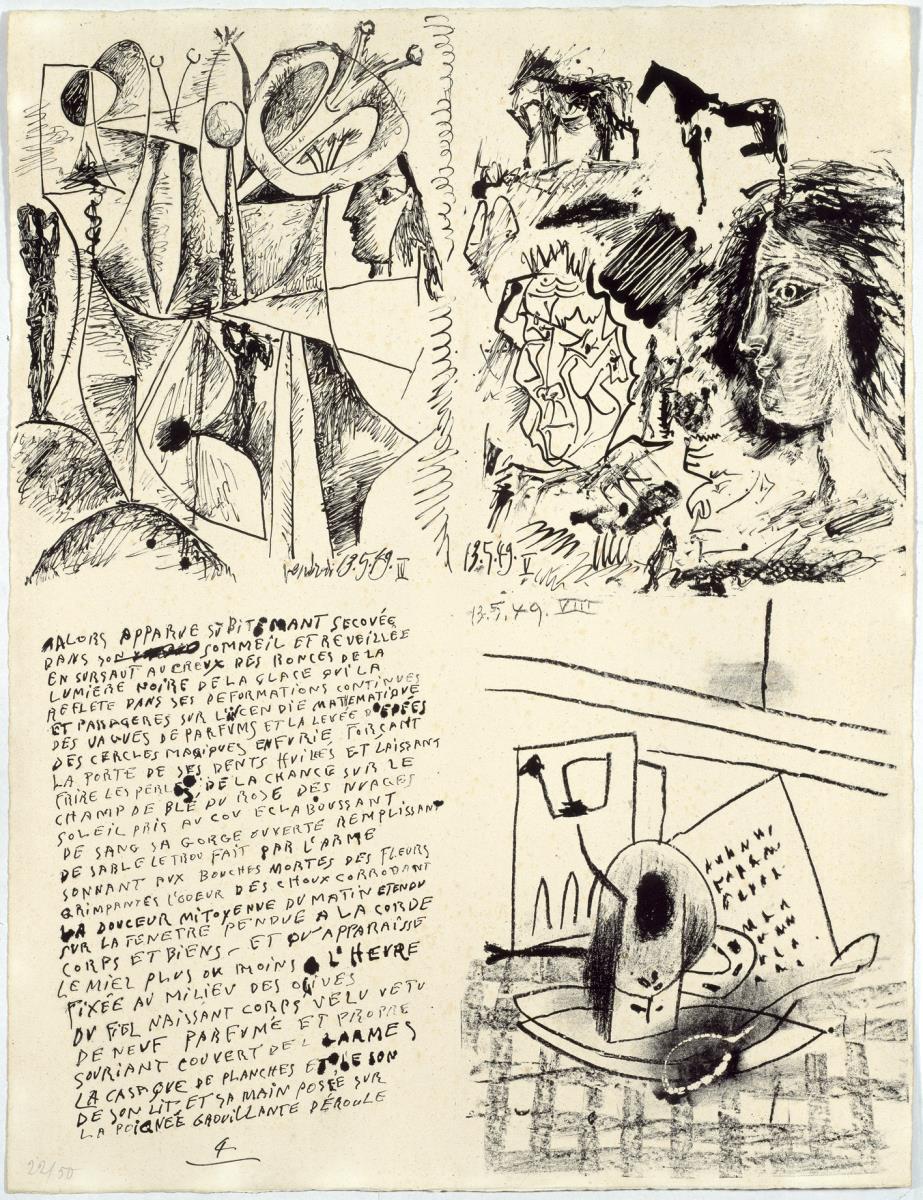
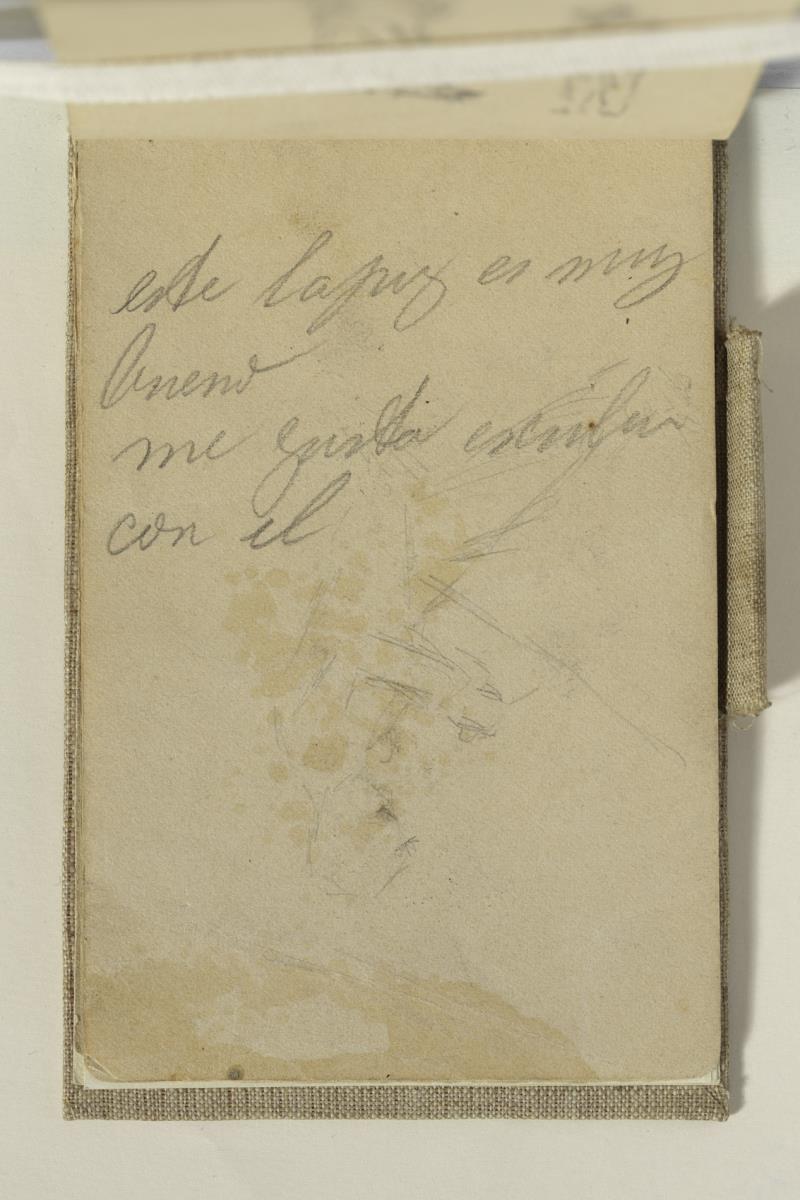
Picasso emerged as a full-fledged writer starting in 1935; André Breton had then consecrated him in his text “Picasso poète”, which was published in Cahiers d’art that same year. Even so, his inclination for words, for writing, poetry and language, goes back to when he was a young adult, when he created small newspapers and sent them by post to his parents.
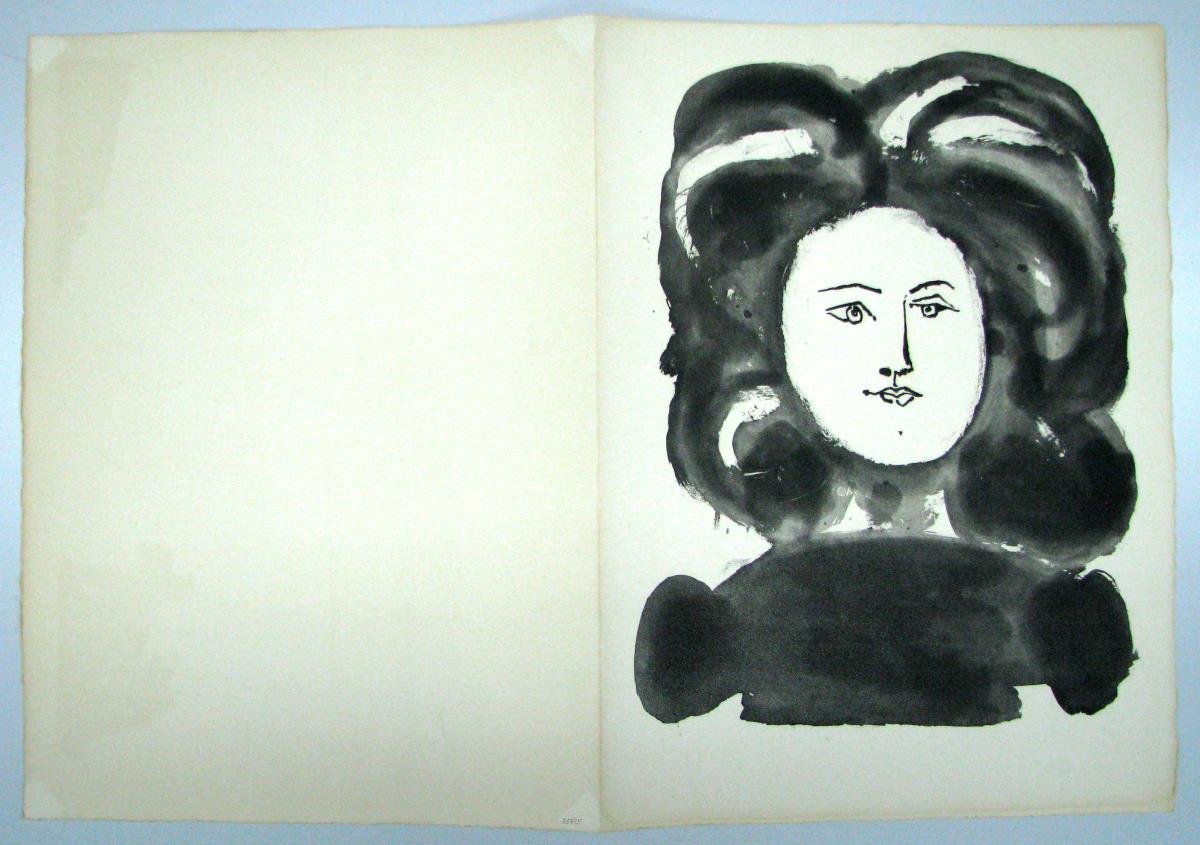
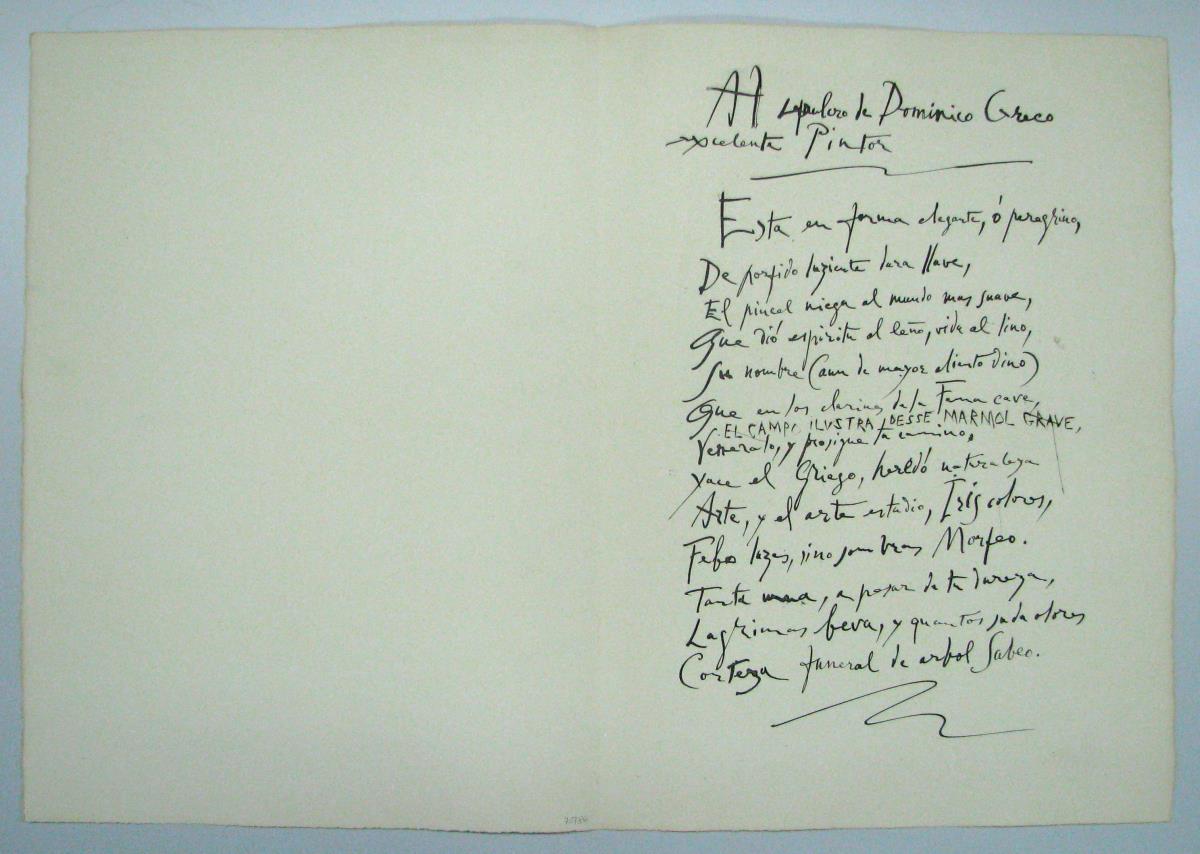
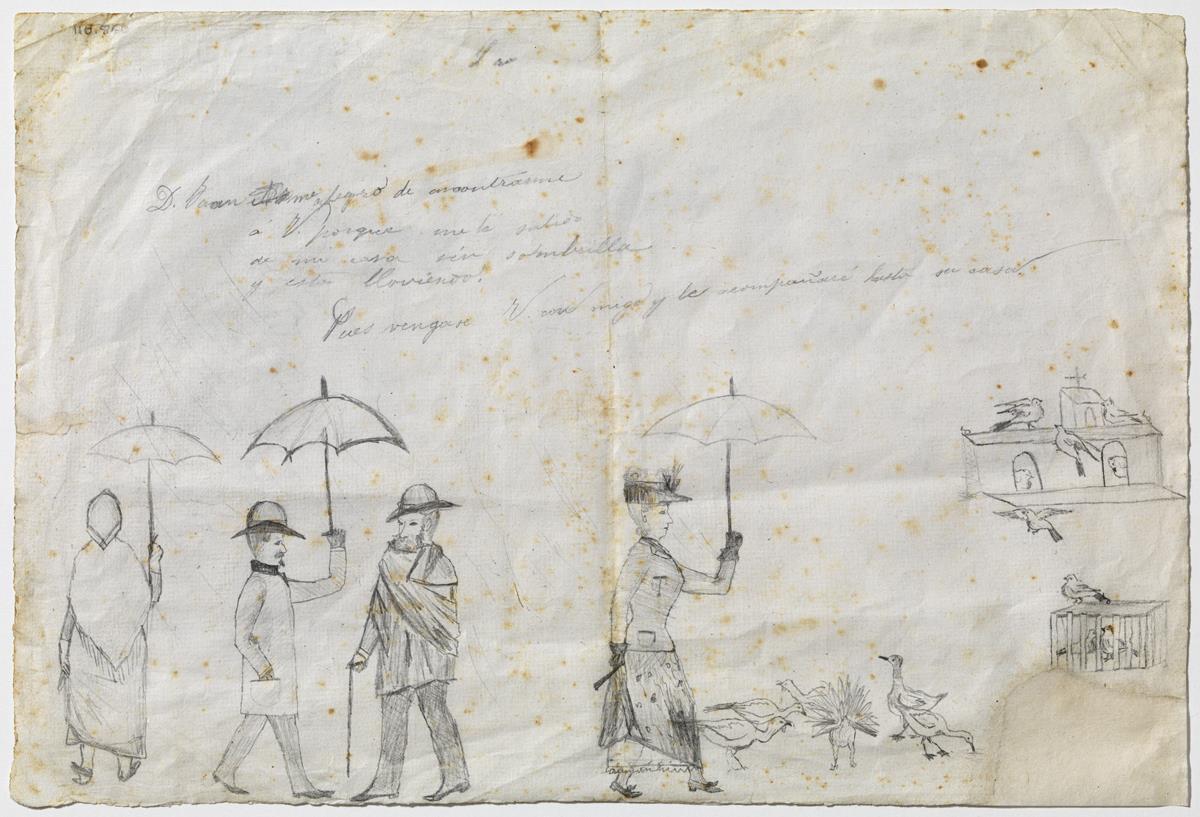
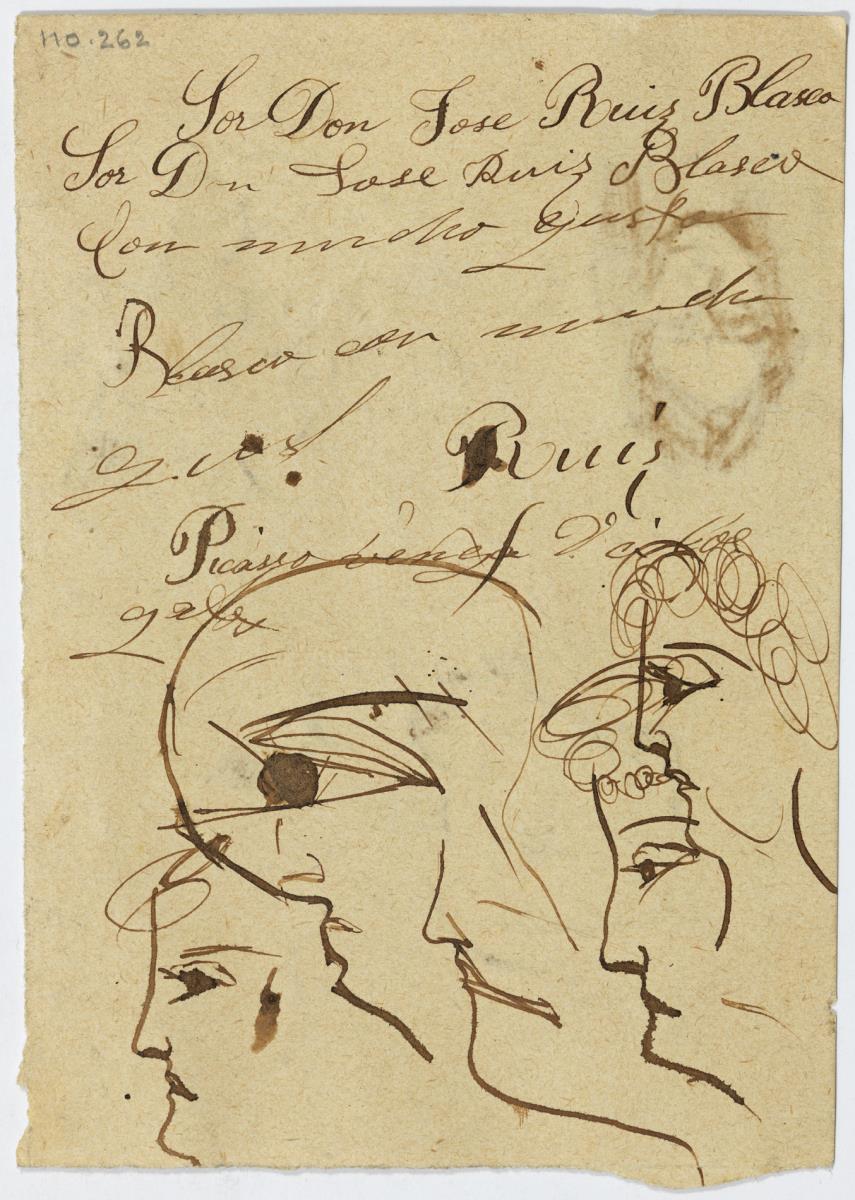
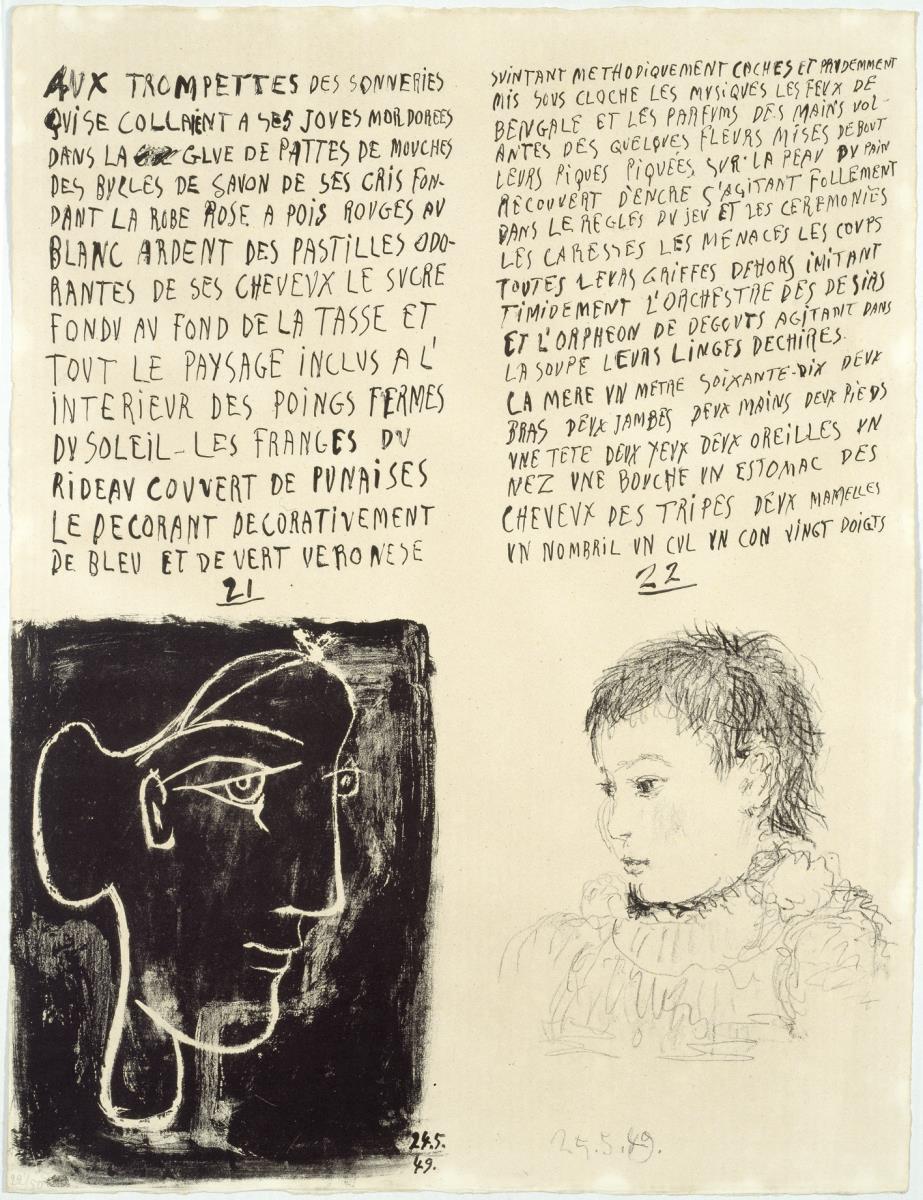
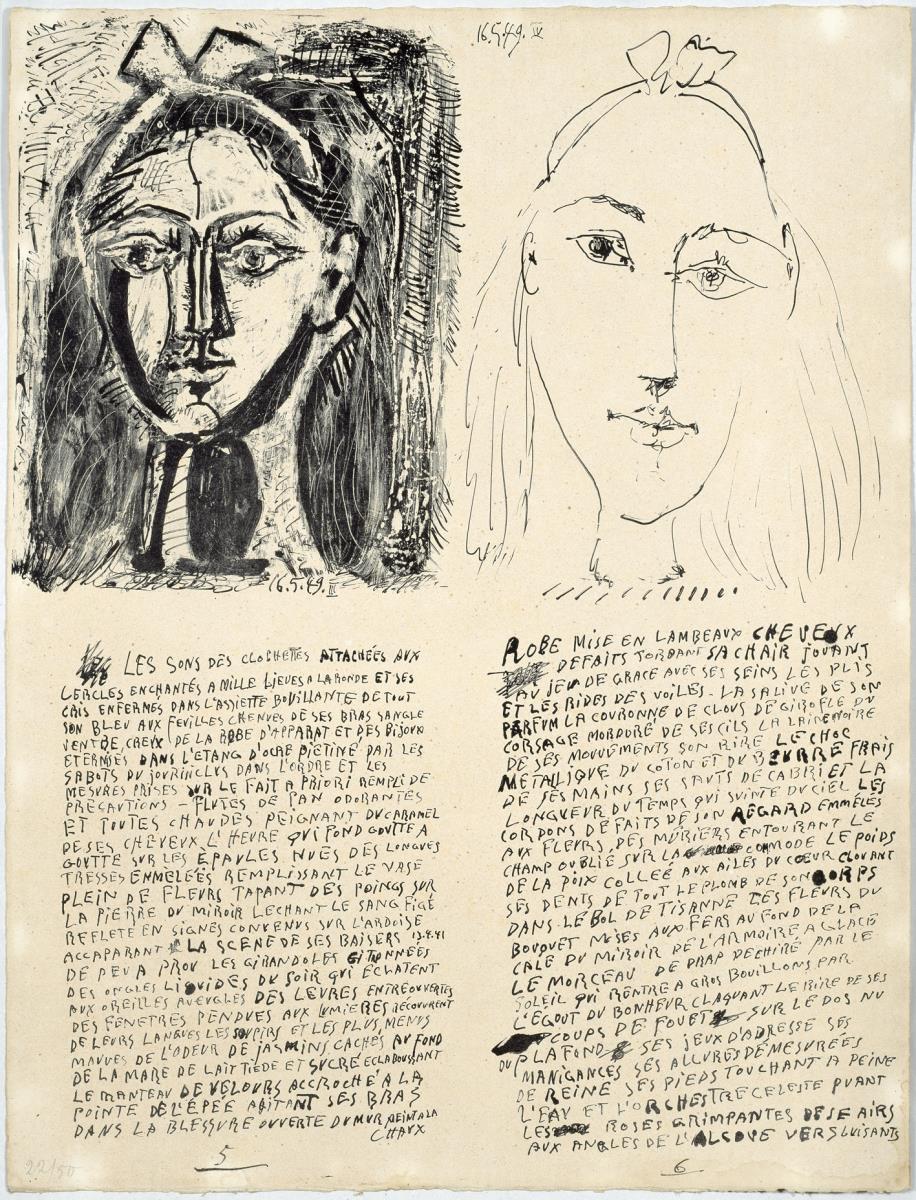
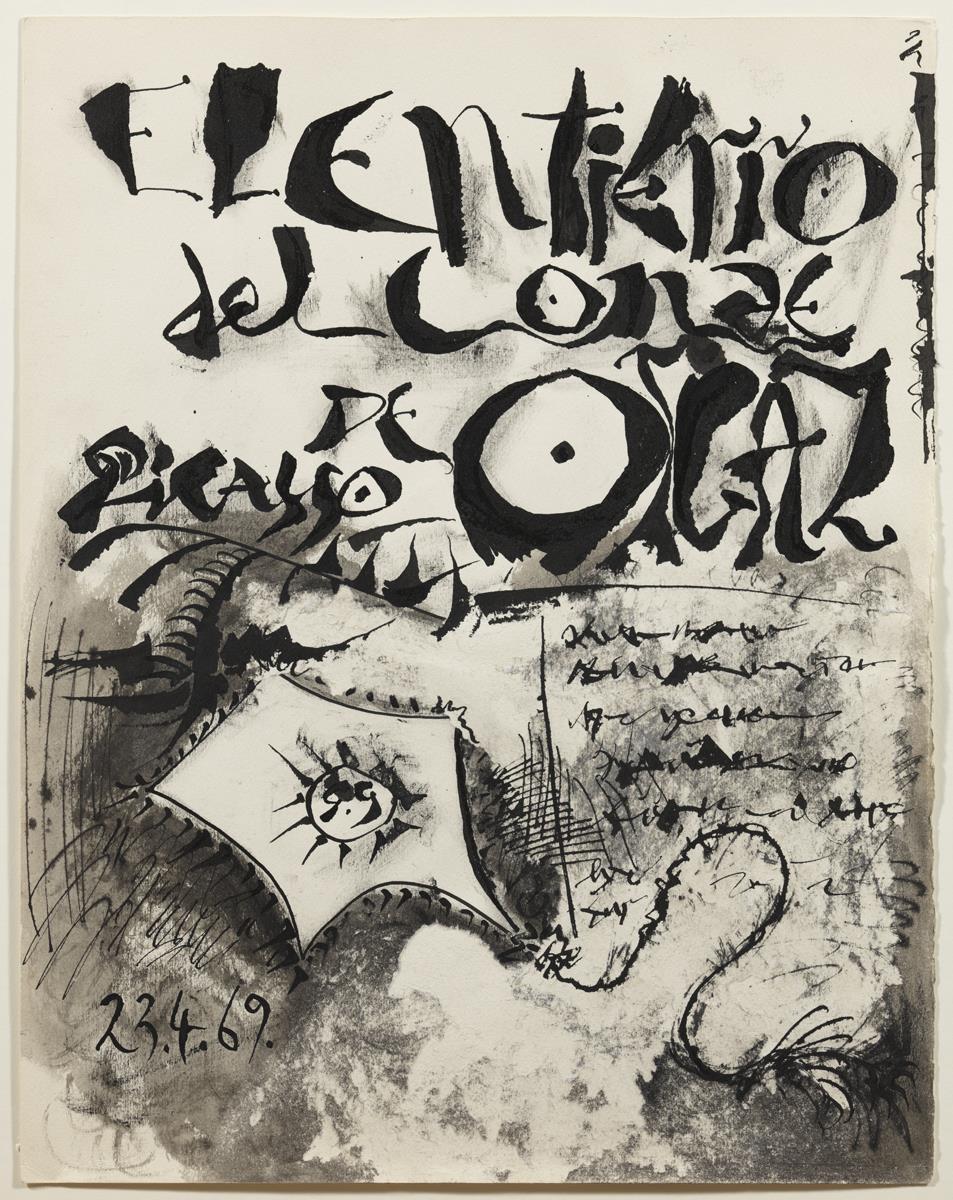
This exhibition seeks to reflect the importance of poetic writing in Picasso’s creative trajectory, which should be considered from a broad, global perspective. In the presentation of his hand-written texts, which are beautifully presented, we see the strong bond between writing and painting, which accentuates the complexity of his textural work (in collage, repetitions, variations, successive additions, and so on). His autobiographical character is like an “intimate, sensorial diary”, poetically laying bare the artist’s personality.
For these reasons the sources and beginnings of Picasso the writer are featured here, as well as the relationship between his texts and his paintings, the persistence of certain subject matter and his extraordinary poetic creativity, breaking language up as if it were a “verbal mass”, exercising the same degree of freedom he applied to all other media. In a confession to his friend Roberto Otero he is unwavering: «In the end I am a wayward writer.»
Artworks of the Collection
Picasso, Pablo
1896

Picasso, Pablo
1898
Picasso, Pablo
1898
Picasso, Pablo
1947
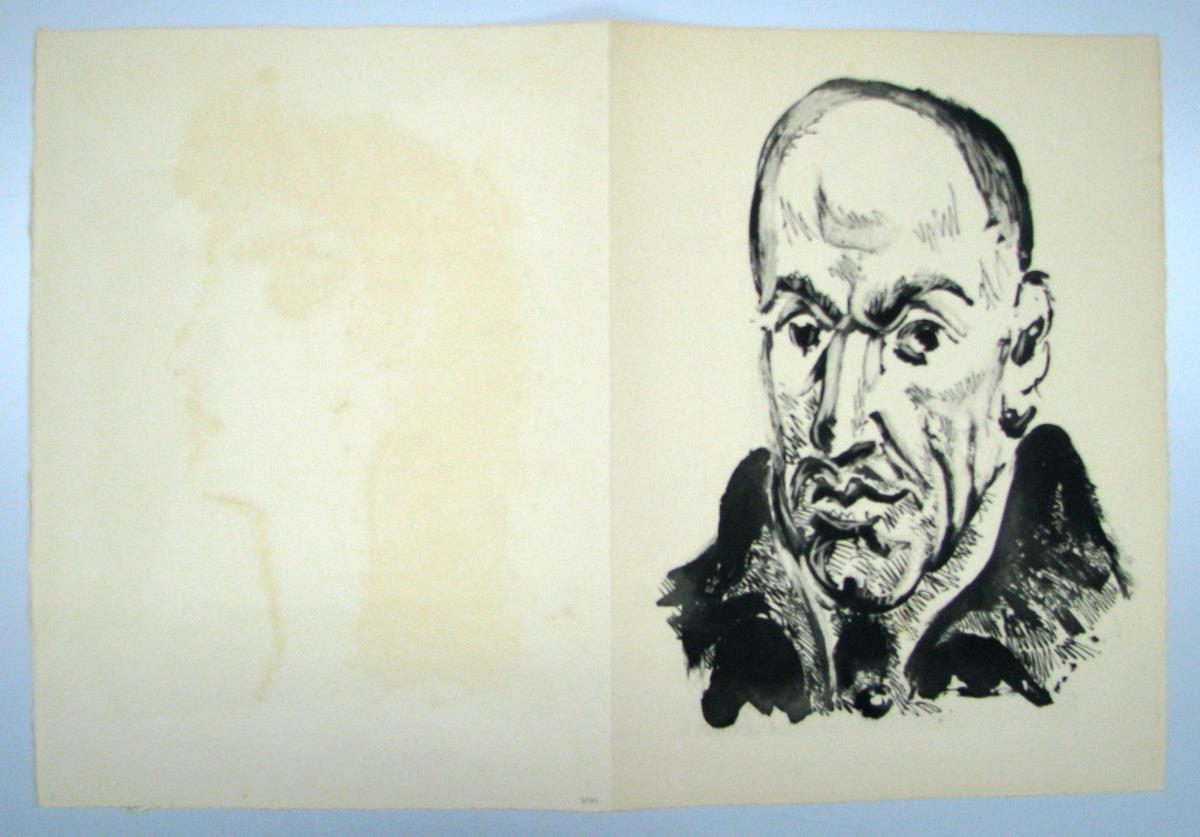
Picasso, Pablo
1947
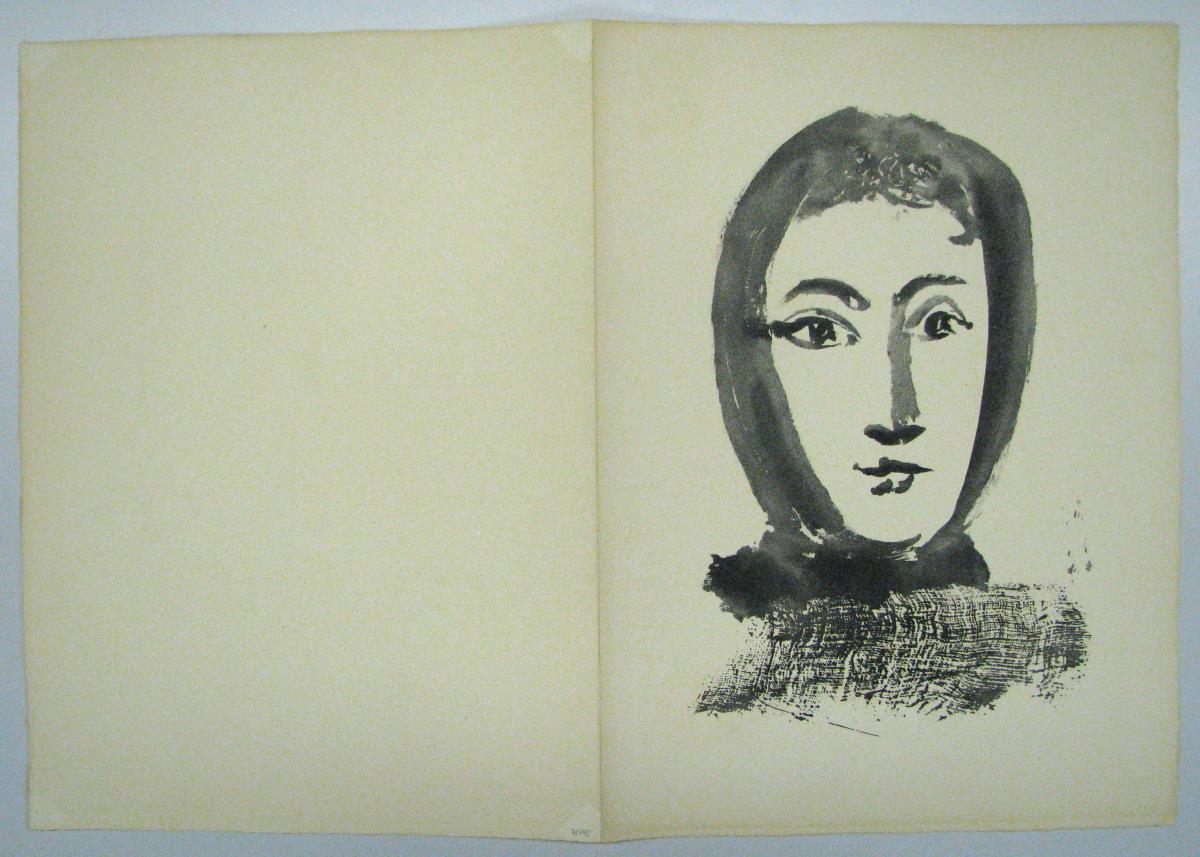
Picasso, Pablo
1947
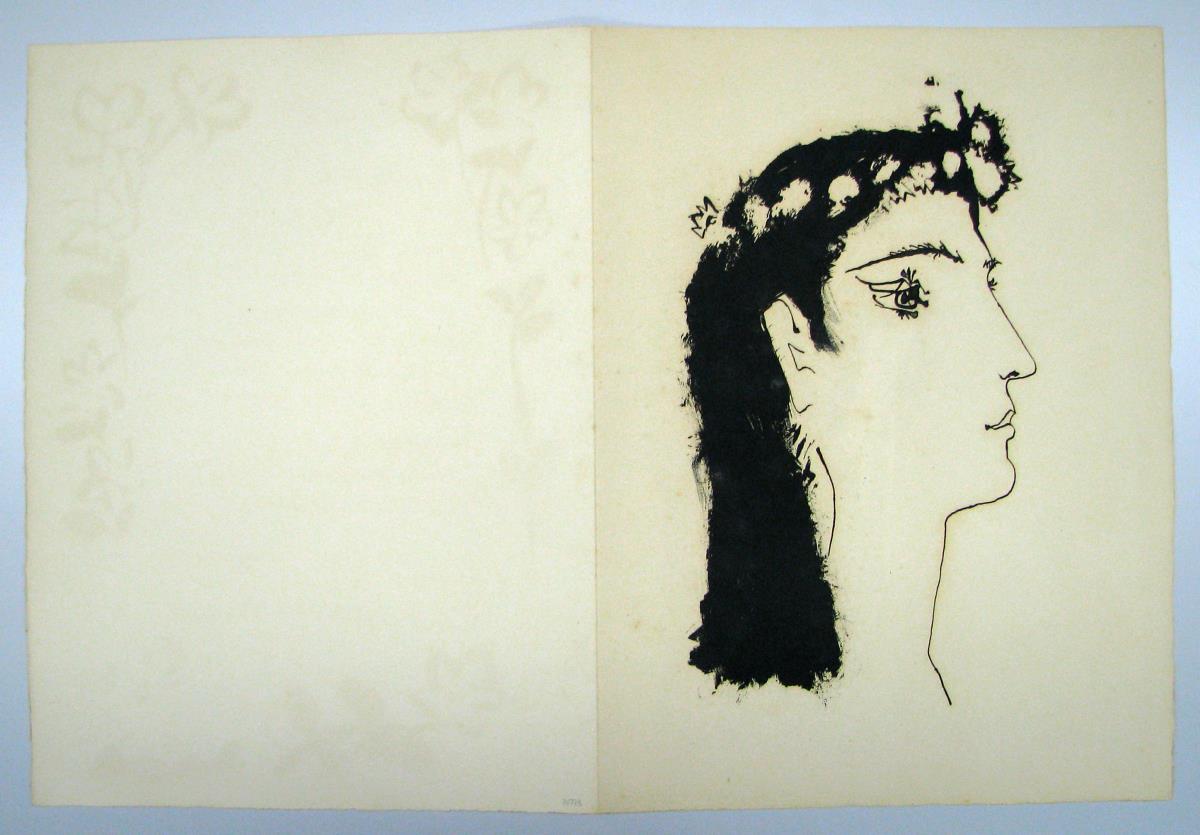
Picasso, Pablo
1947
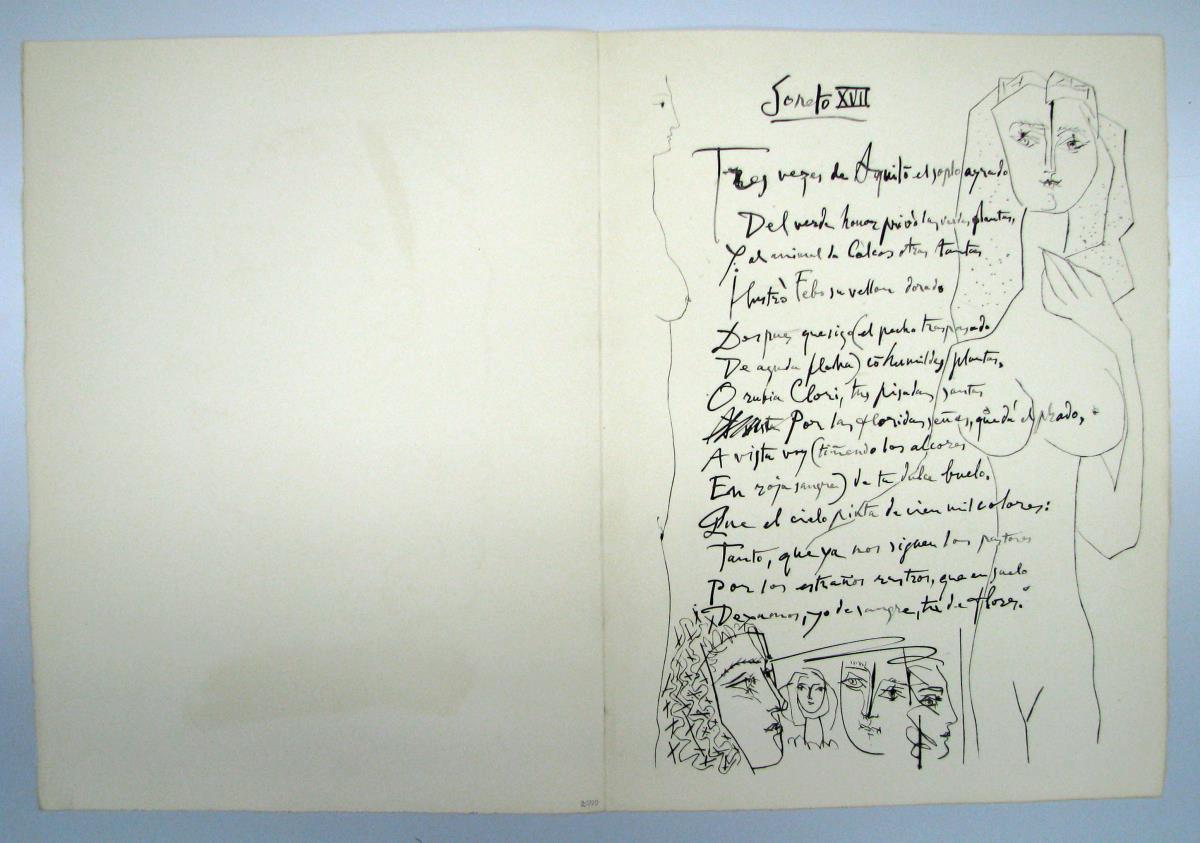
Picasso, Pablo
1947
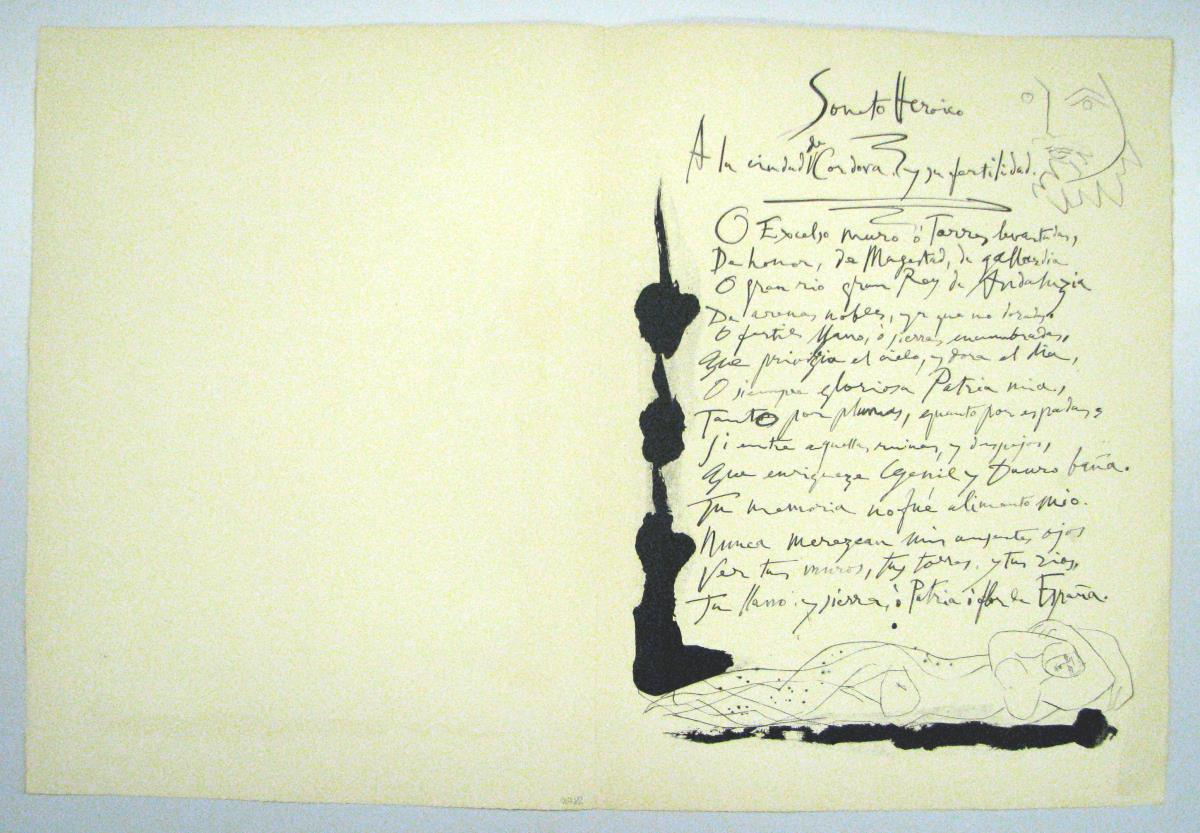
Picasso, Pablo
1947
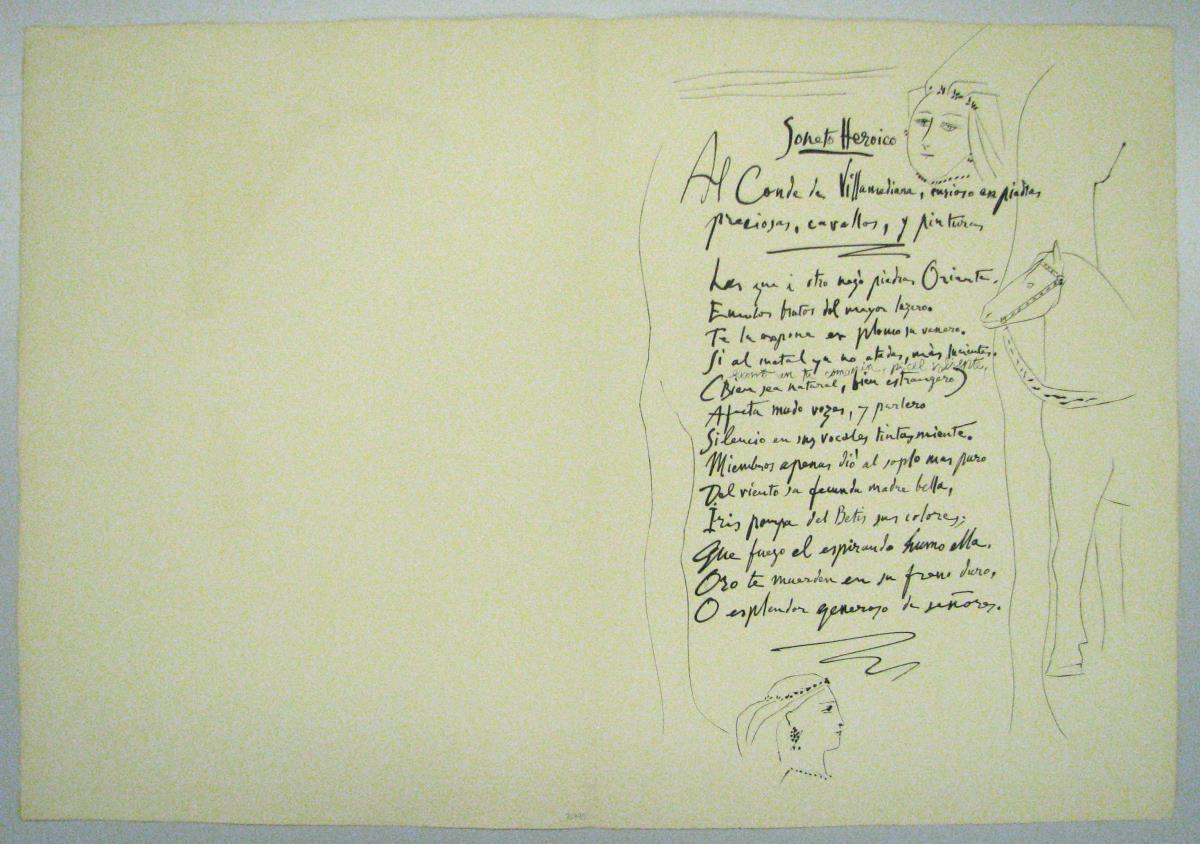
Picasso, Pablo
1947
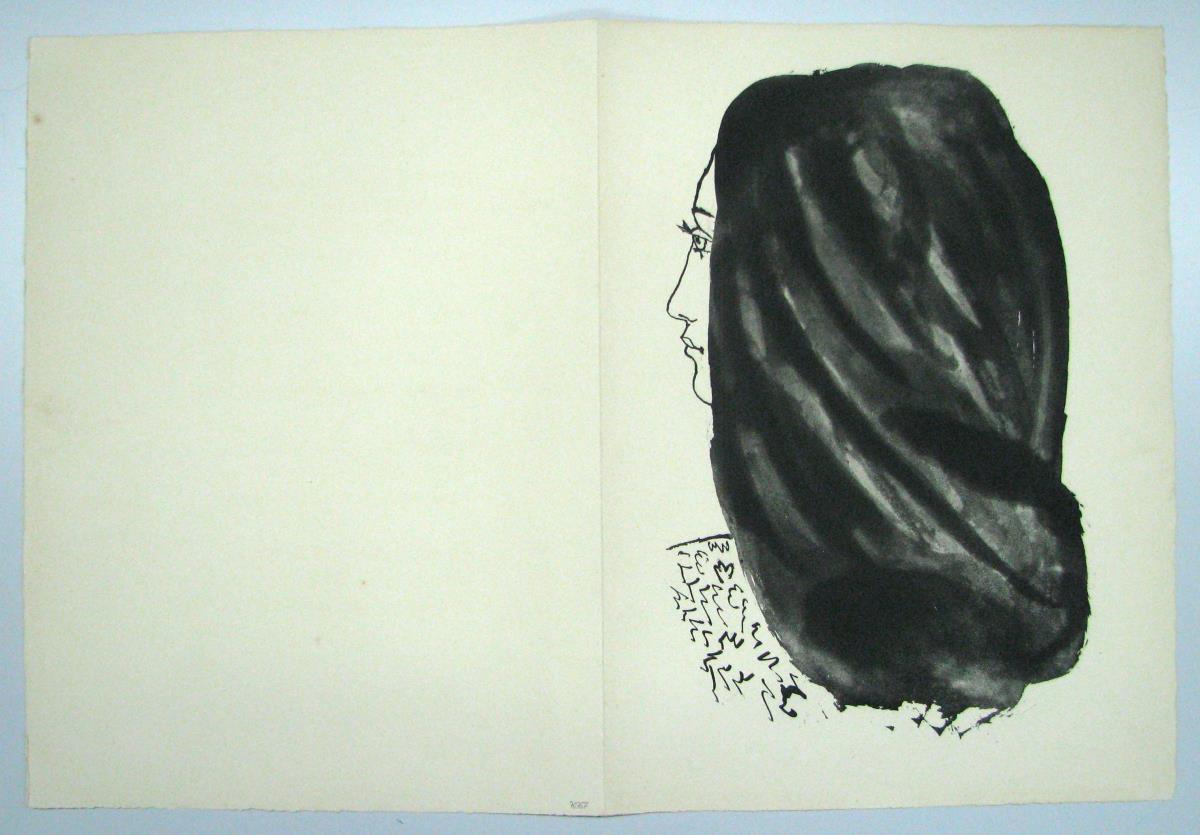
Picasso, Pablo
1948
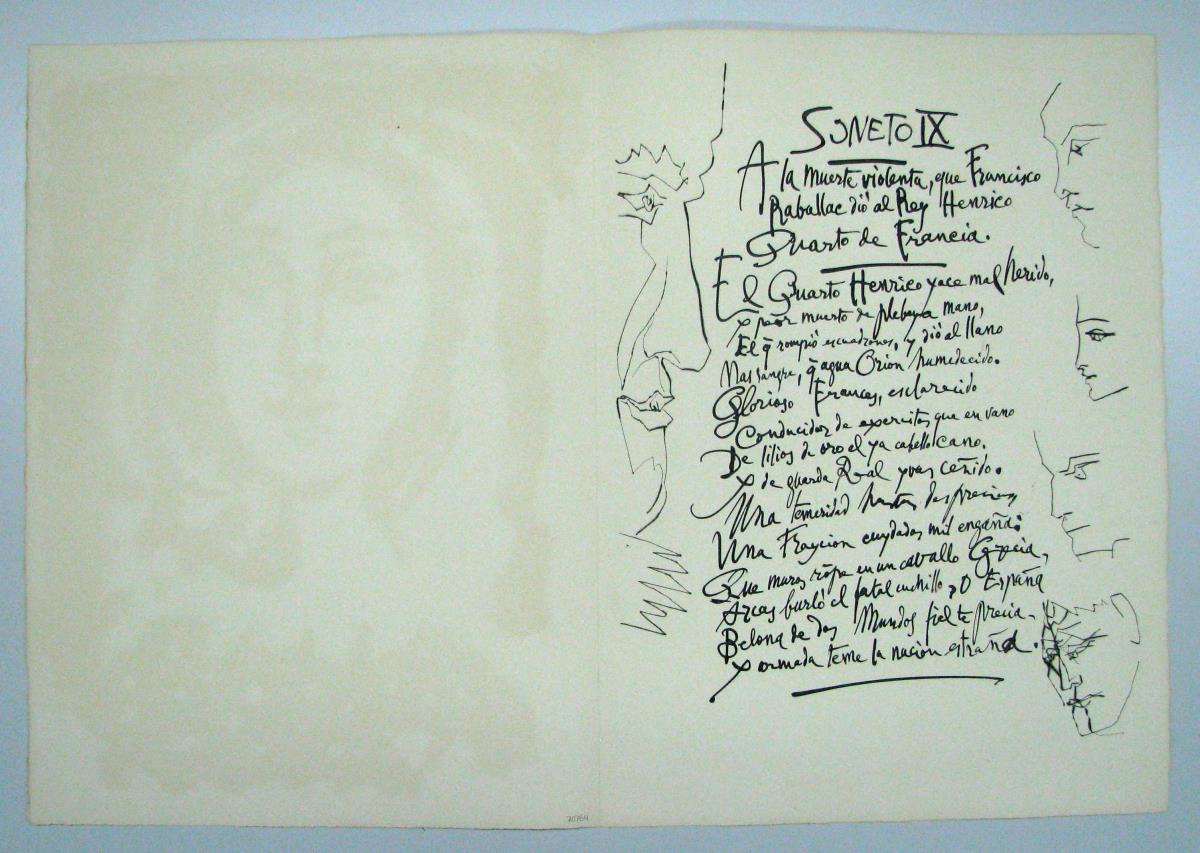
Picasso, Pablo
1948
Picasso, Pablo
1948
Picasso, Pablo
1948
Picasso, Pablo
1948
Picasso, Pablo
1948
Picasso, Pablo
1947
Picasso, Pablo
1947
Picasso, Pablo
1947

Picasso, Pablo
1947
Picasso, Pablo
1947
Picasso, Pablo
1947
Picasso, Pablo
1947
Picasso, Pablo
1899
Picasso, Pablo
1896
Picasso, Pablo
1893
Picasso, Pablo
1902
Picasso, Pablo
1892
Picasso, Pablo
1899
Picasso, Pablo
1903
Picasso, Pablo
1902
Picasso, Pablo
1899
Picasso, Pablo
1949
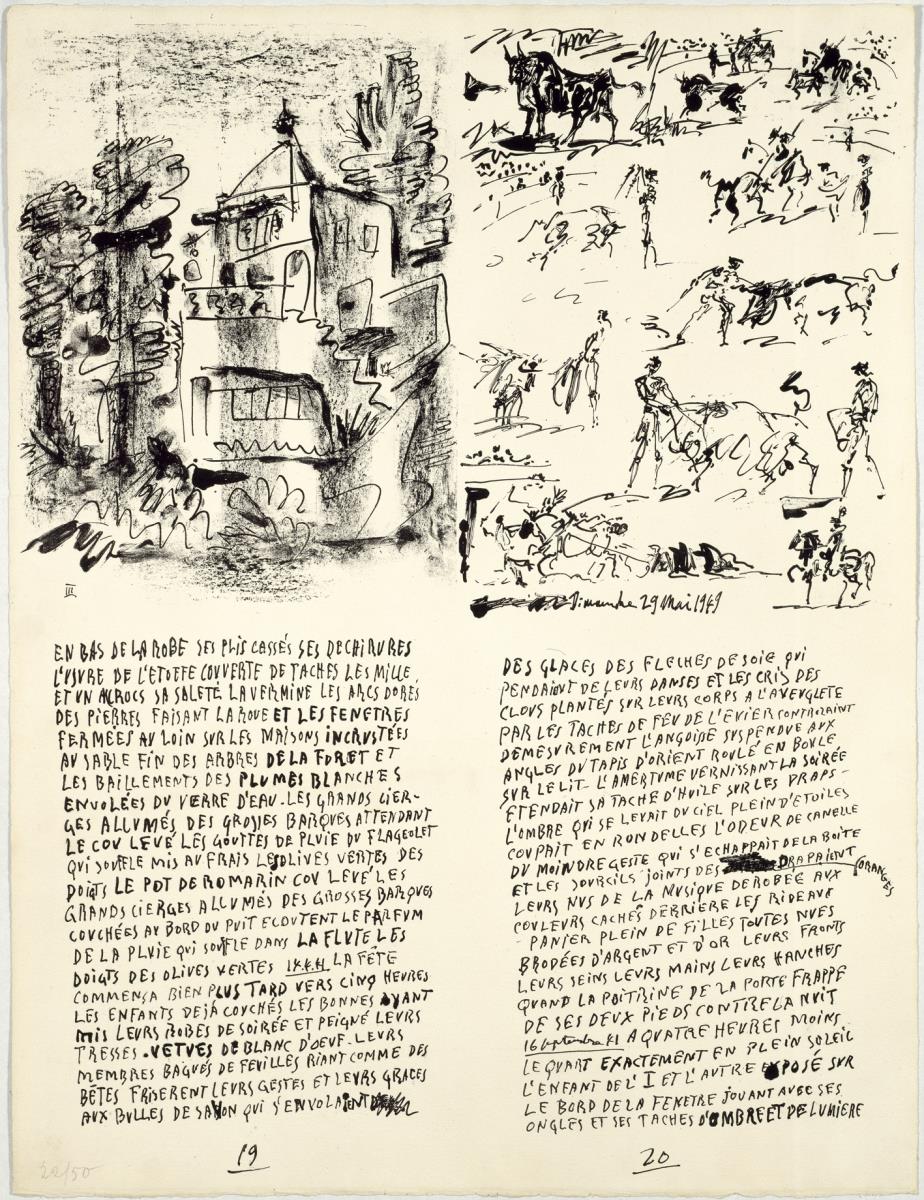
Picasso, Pablo
1949
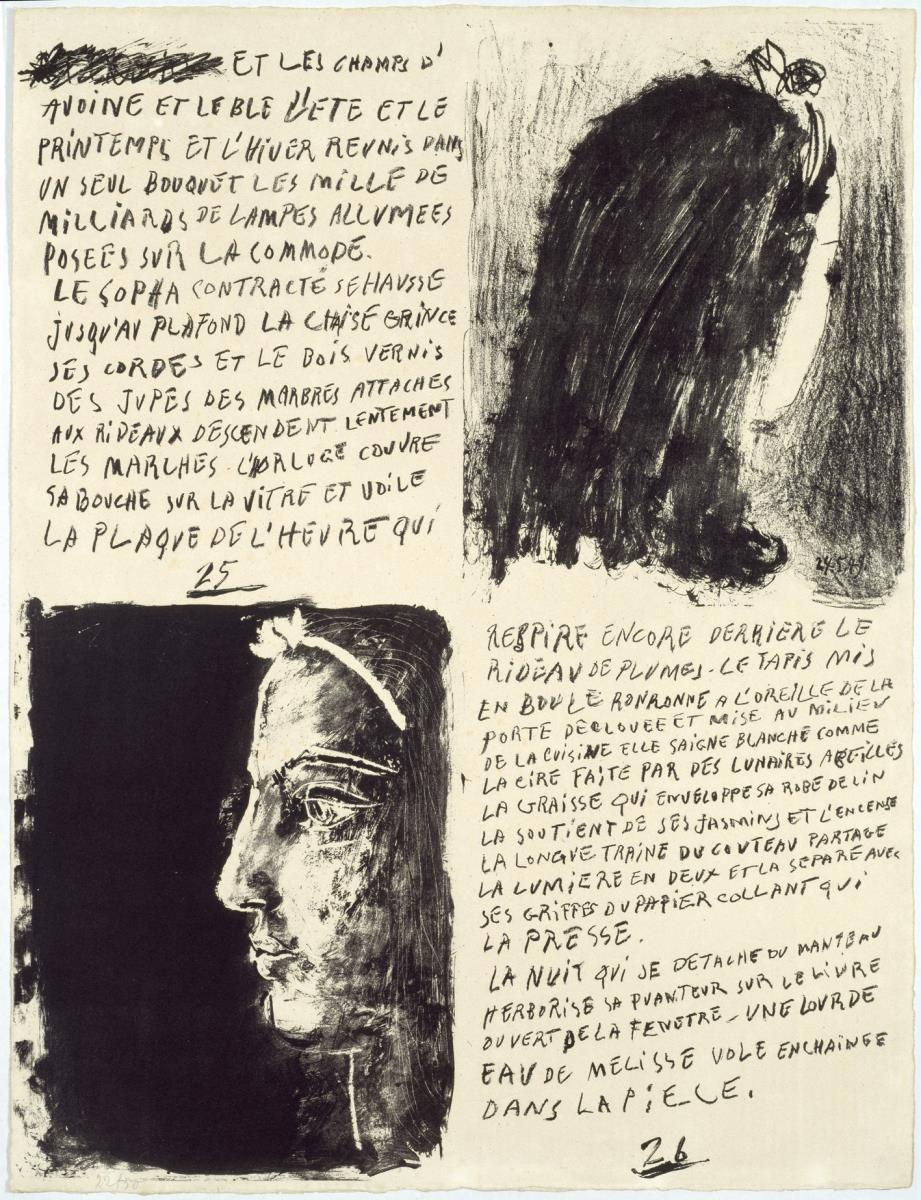
Picasso, Pablo
1949
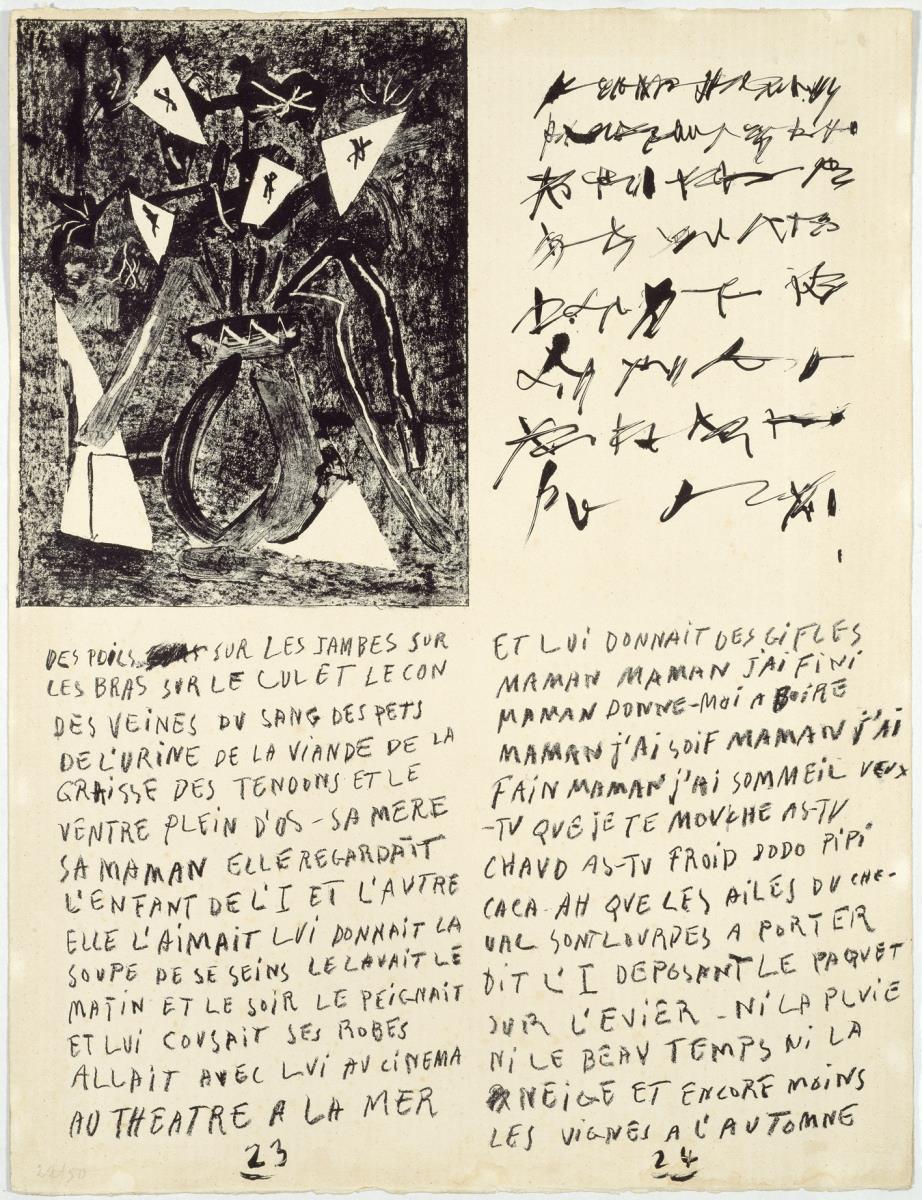
Picasso, Pablo
1949
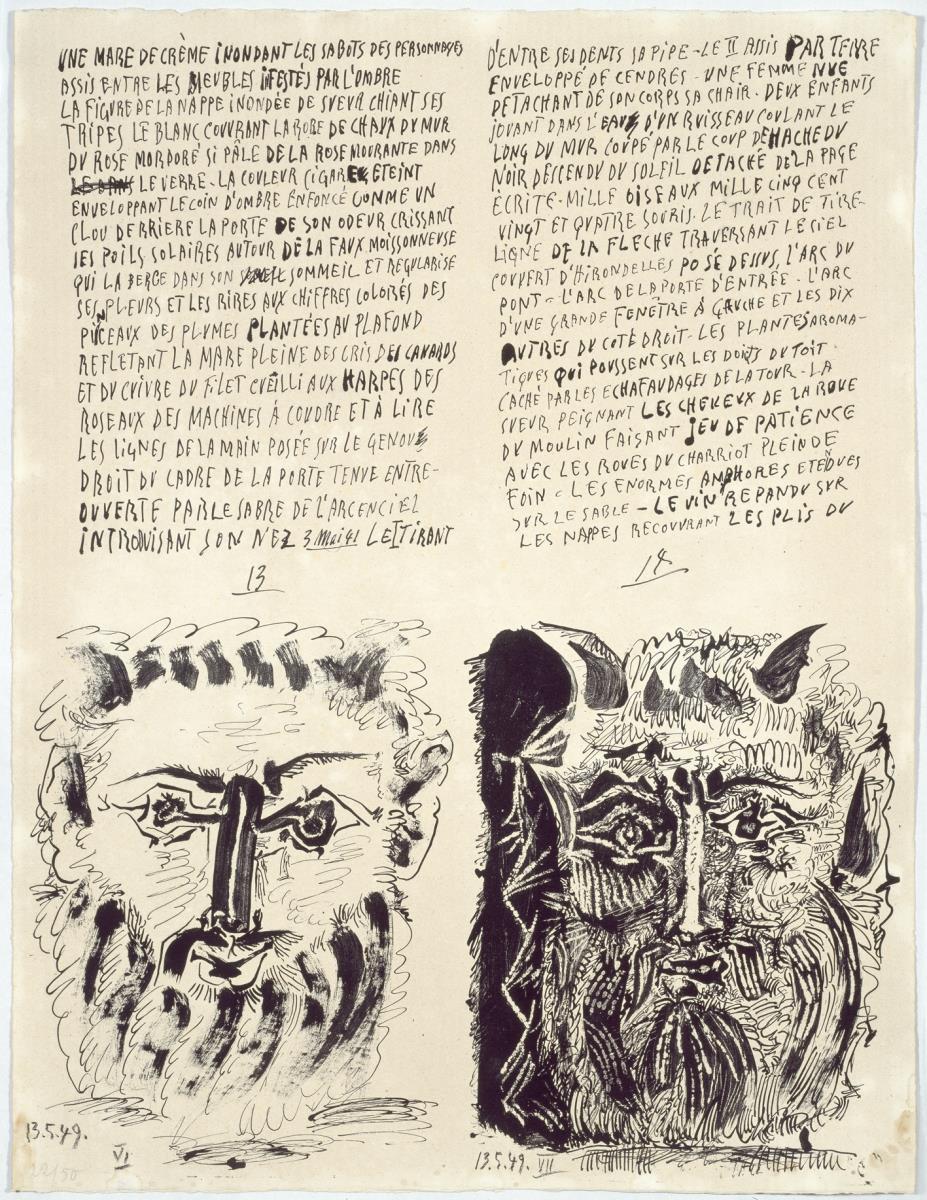
Picasso, Pablo
1949
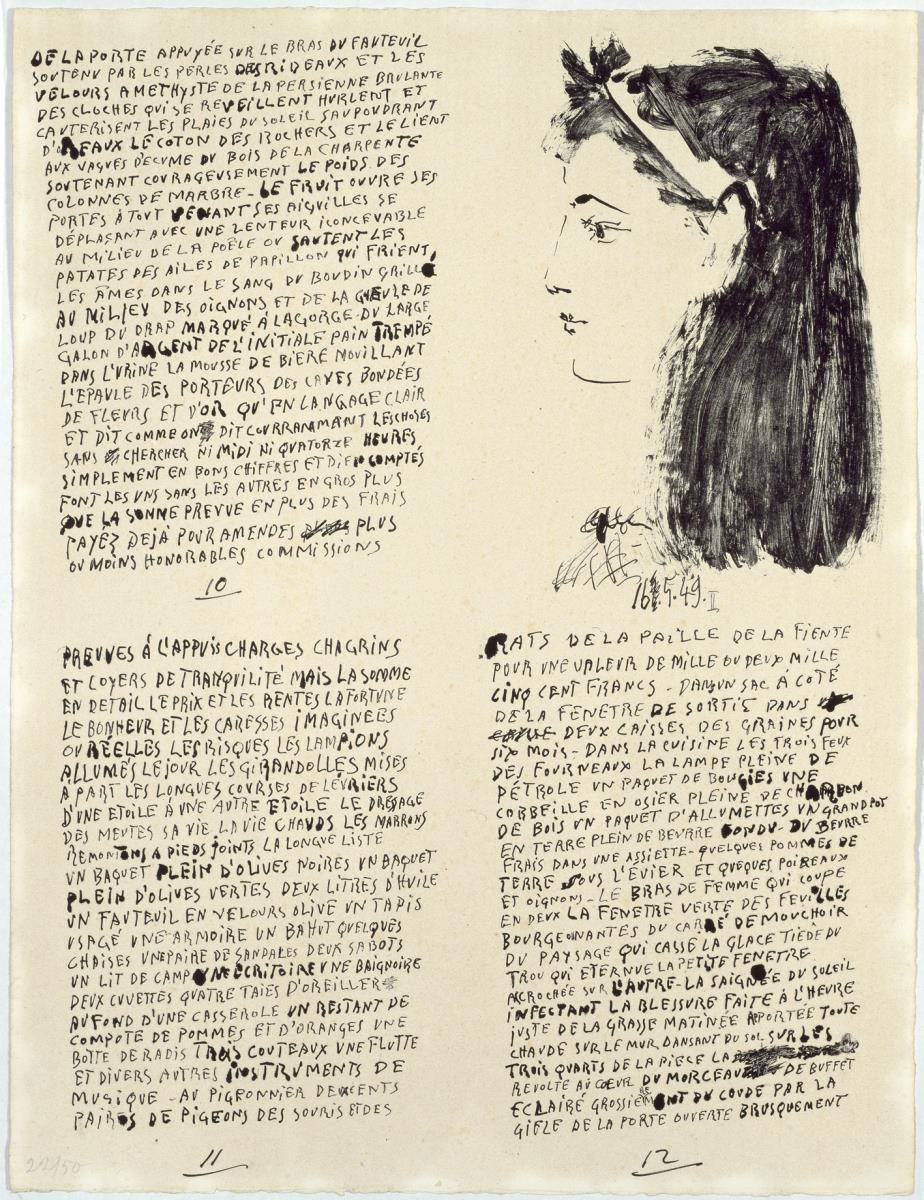
Picasso, Pablo
1949
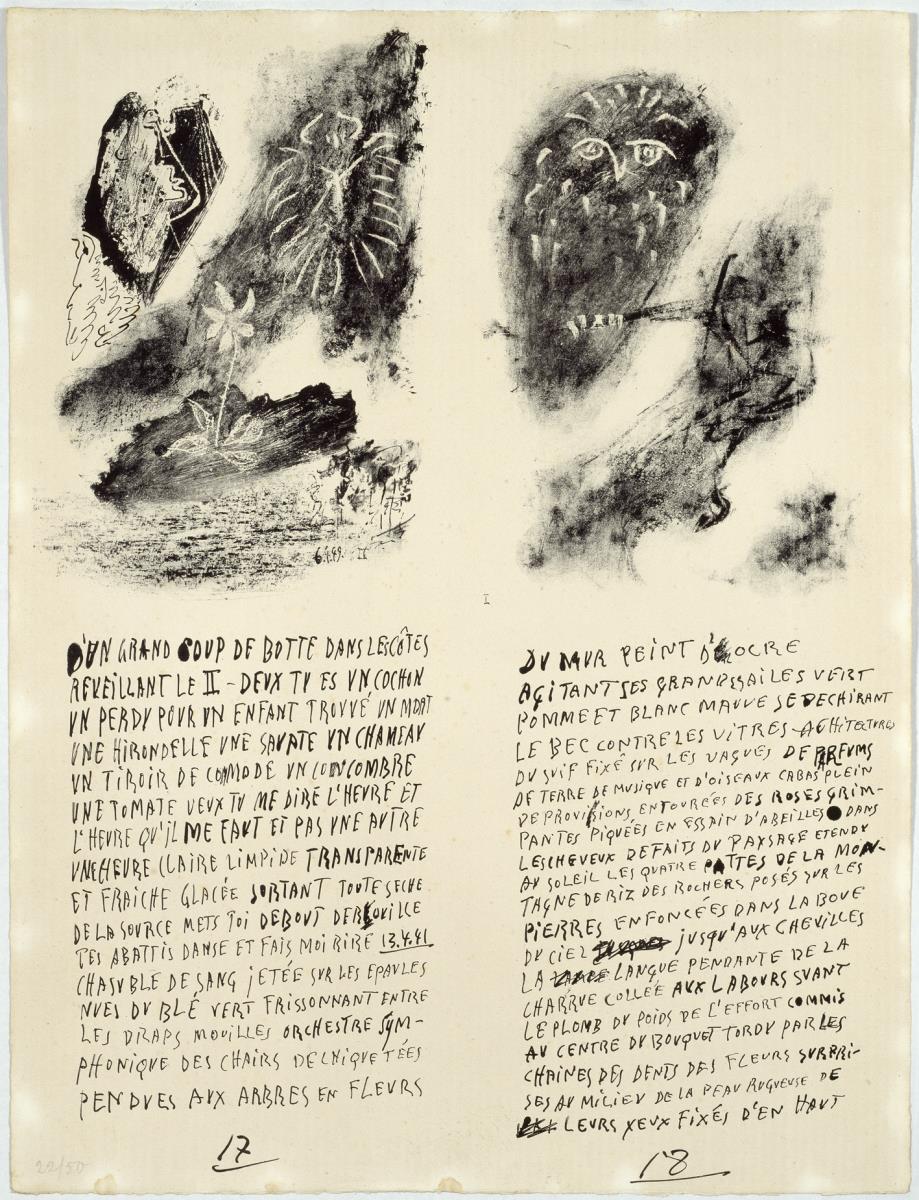
Picasso, Pablo
1949
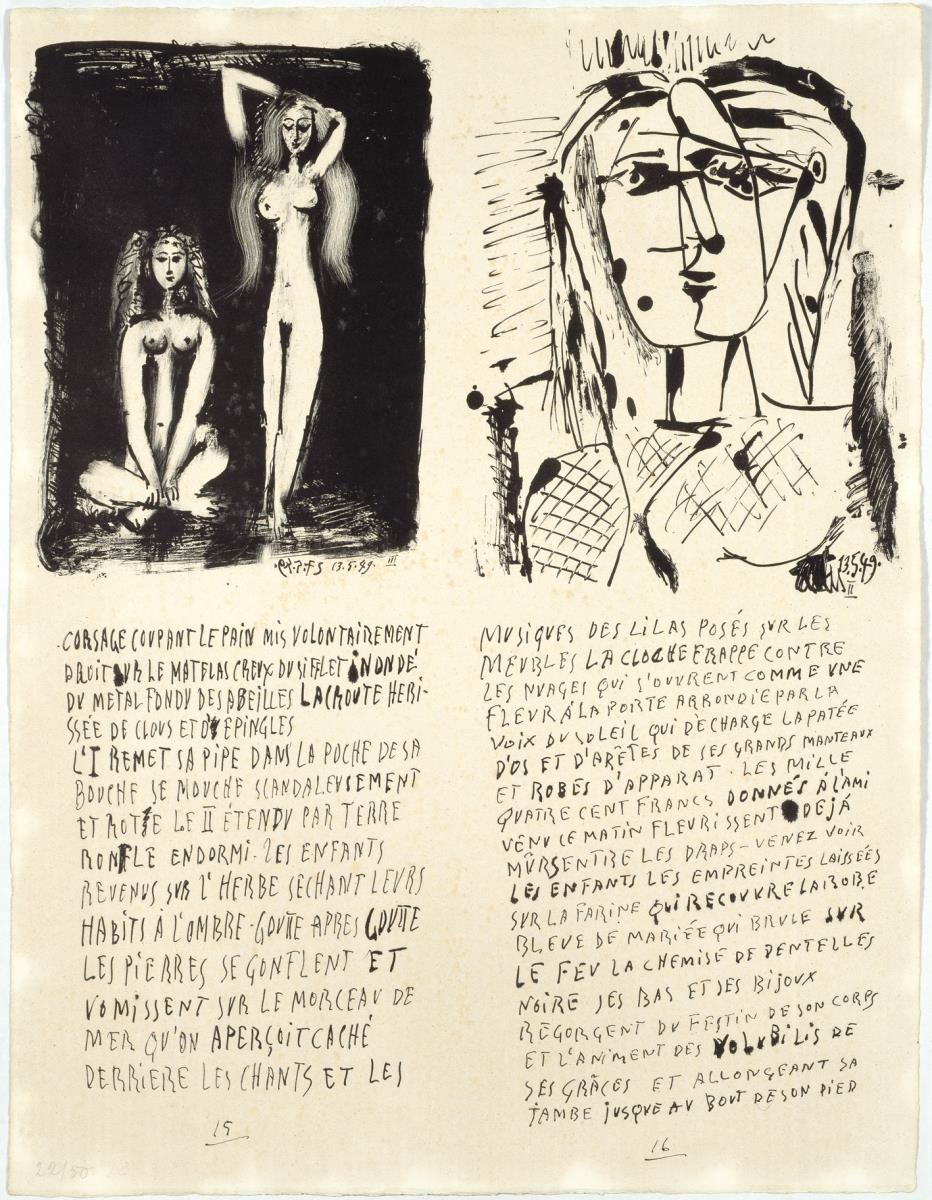
Picasso, Pablo
1949
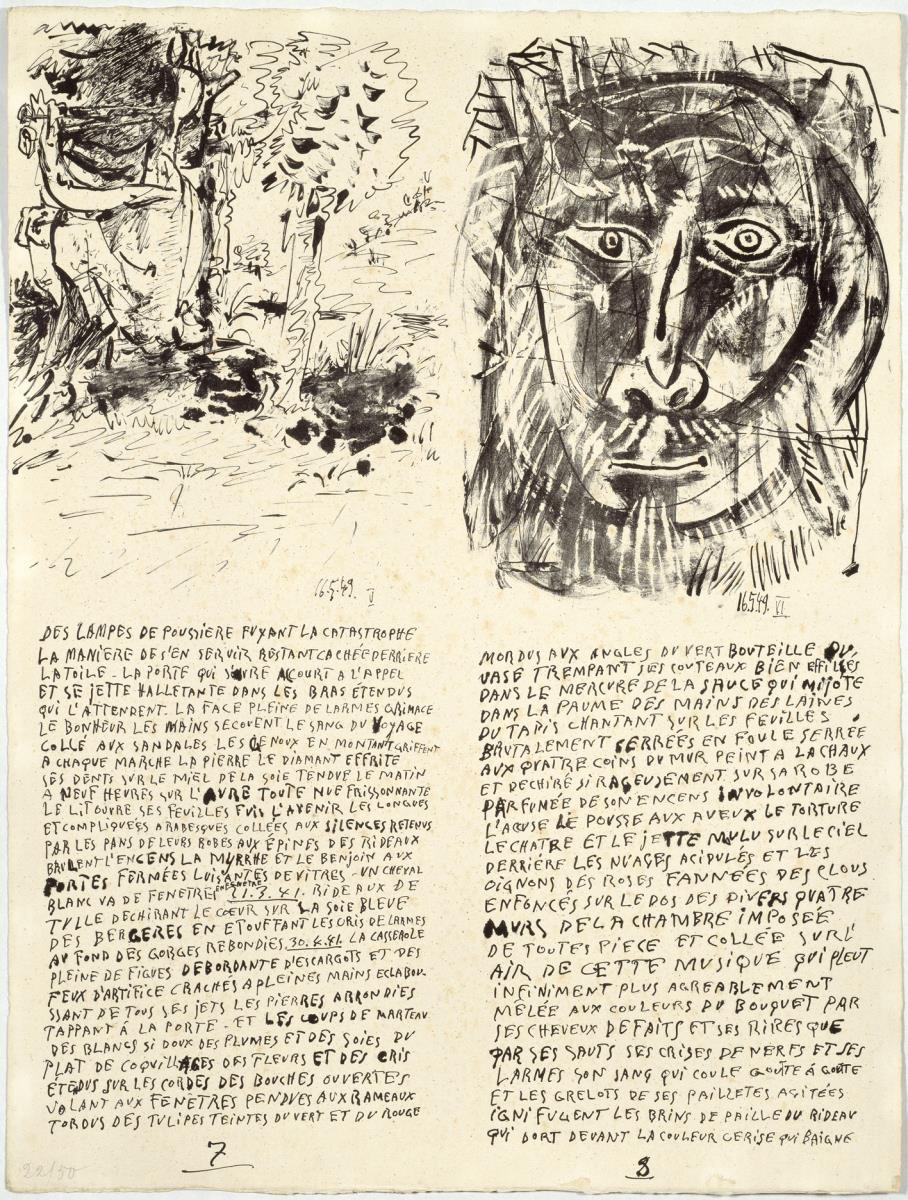
Picasso, Pablo
1949
Picasso, Pablo
1949
Picasso, Pablo
1949
Picasso, Pablo
1949
Picasso, Pablo
1949
Picasso, Pablo
1949

Pablo Picasso
1895
Picasso, Pablo
1895
Picasso, Pablo
1901
Picasso, Pablo
1969
Picasso, Pablo
1906
Picasso, Pablo
1906
Picasso, Pablo
1891
Picasso, Pablo
1968
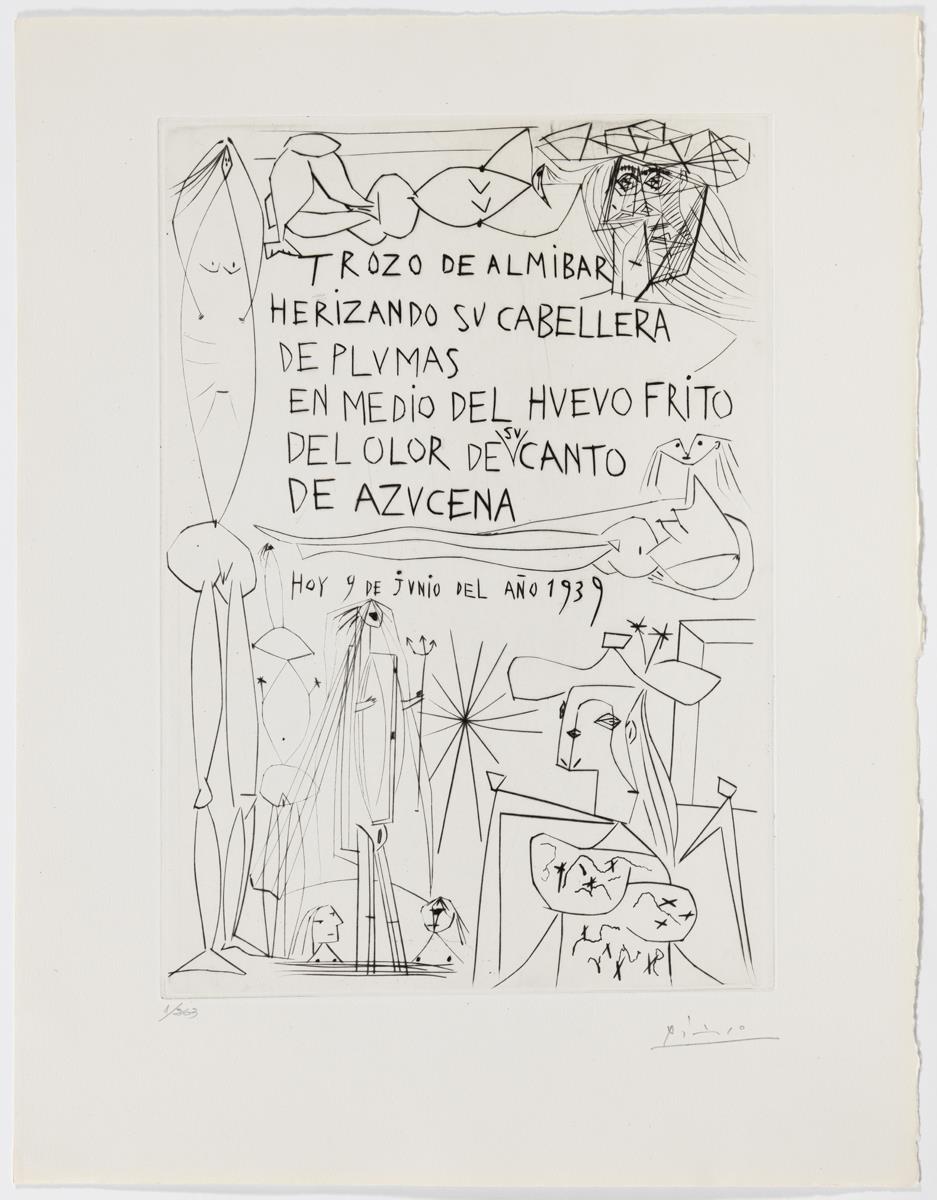
Picasso, Pablo
1939
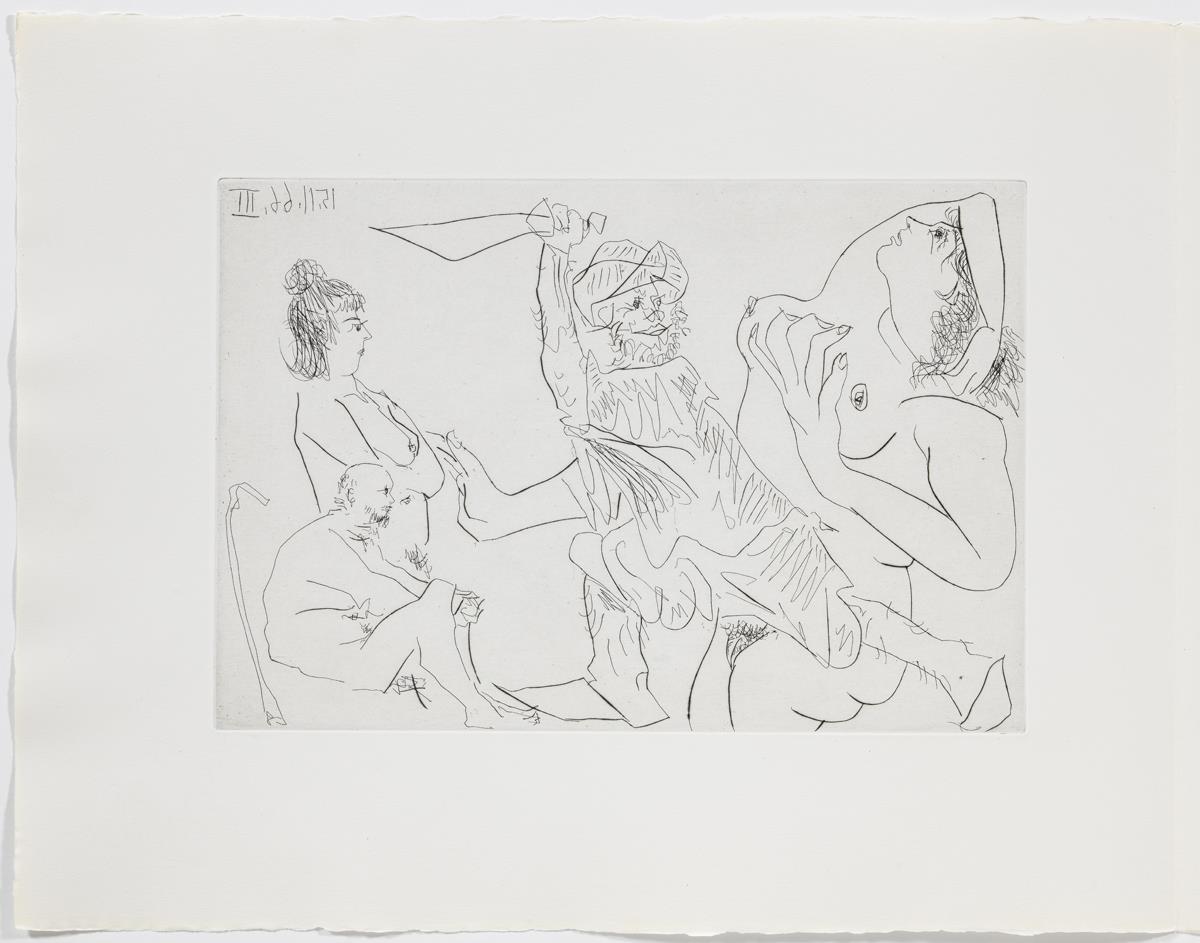
Picasso, Pablo
1966
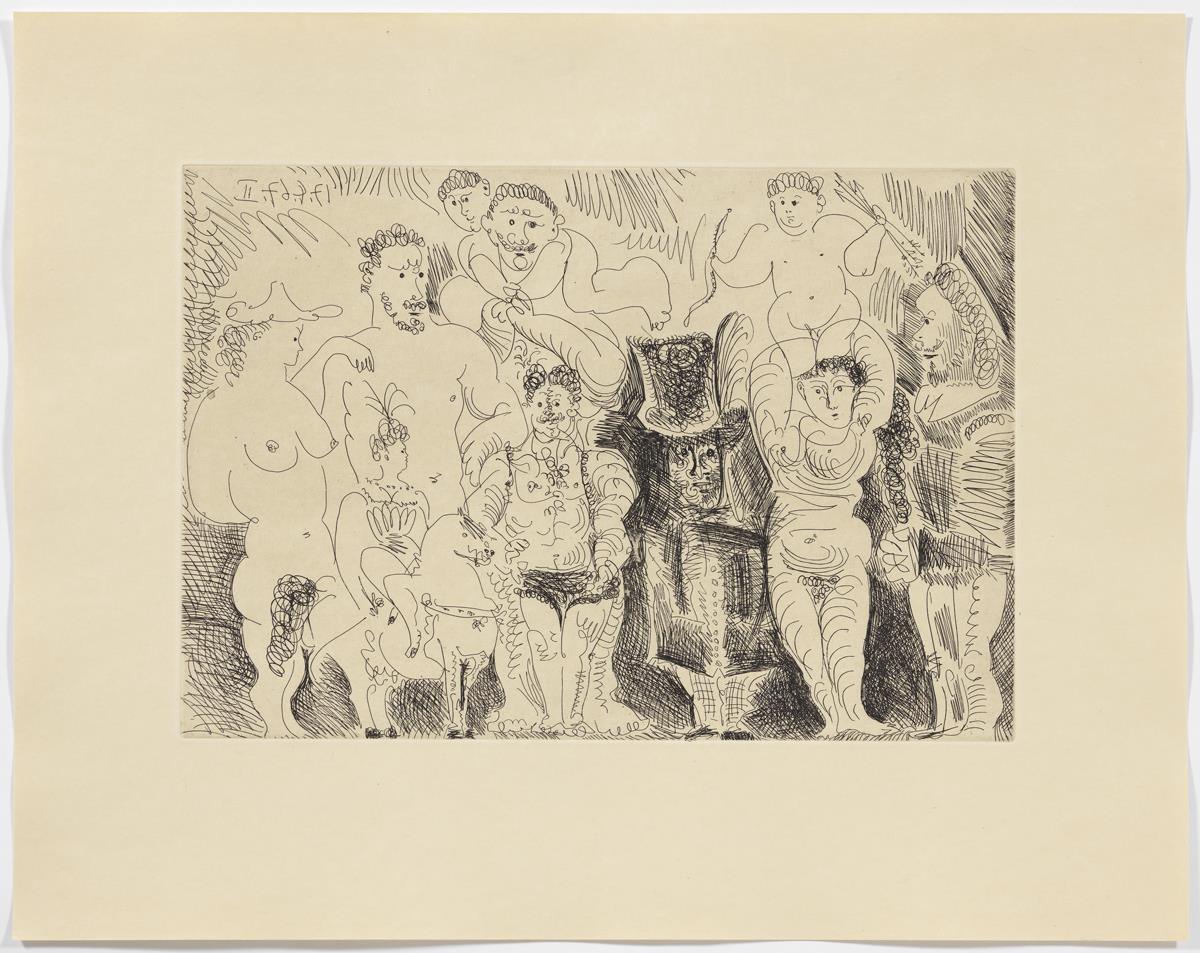
Picasso, Pablo
1967
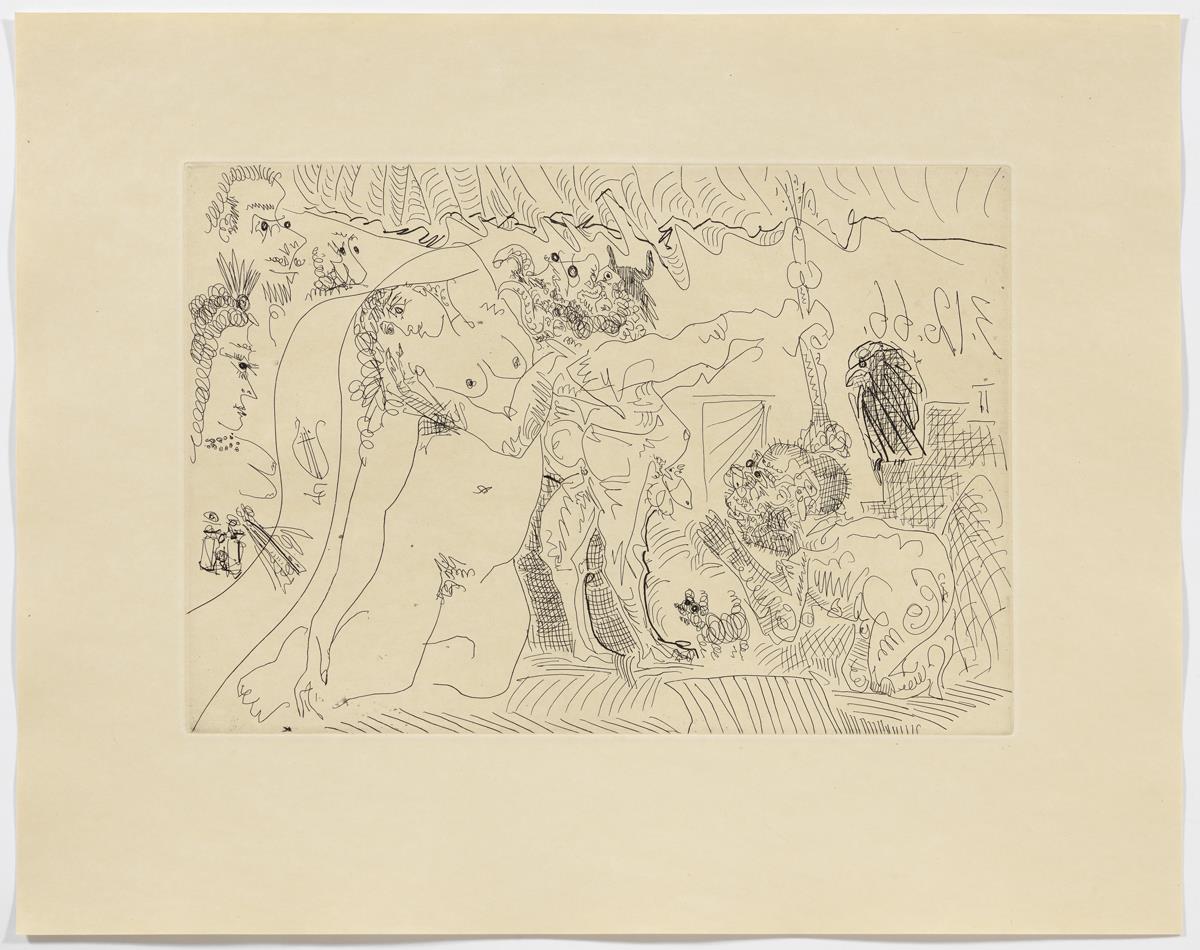
Picasso, Pablo
1966
Picasso, Pablo
1966
Picasso, Pablo
1966
Picasso, Pablo
1966
Picasso, Pablo
1966
Picasso, Pablo
1893
Picasso, Pablo
1968
Pablo Picasso
1898
la Iglesia y Diego, Miguel de
1891
Casal y Amenedo, Ramón
1883
Pablo Picasso
1896
Picasso, Pablo
1906
Álvarez Giménez, Emilio
1889
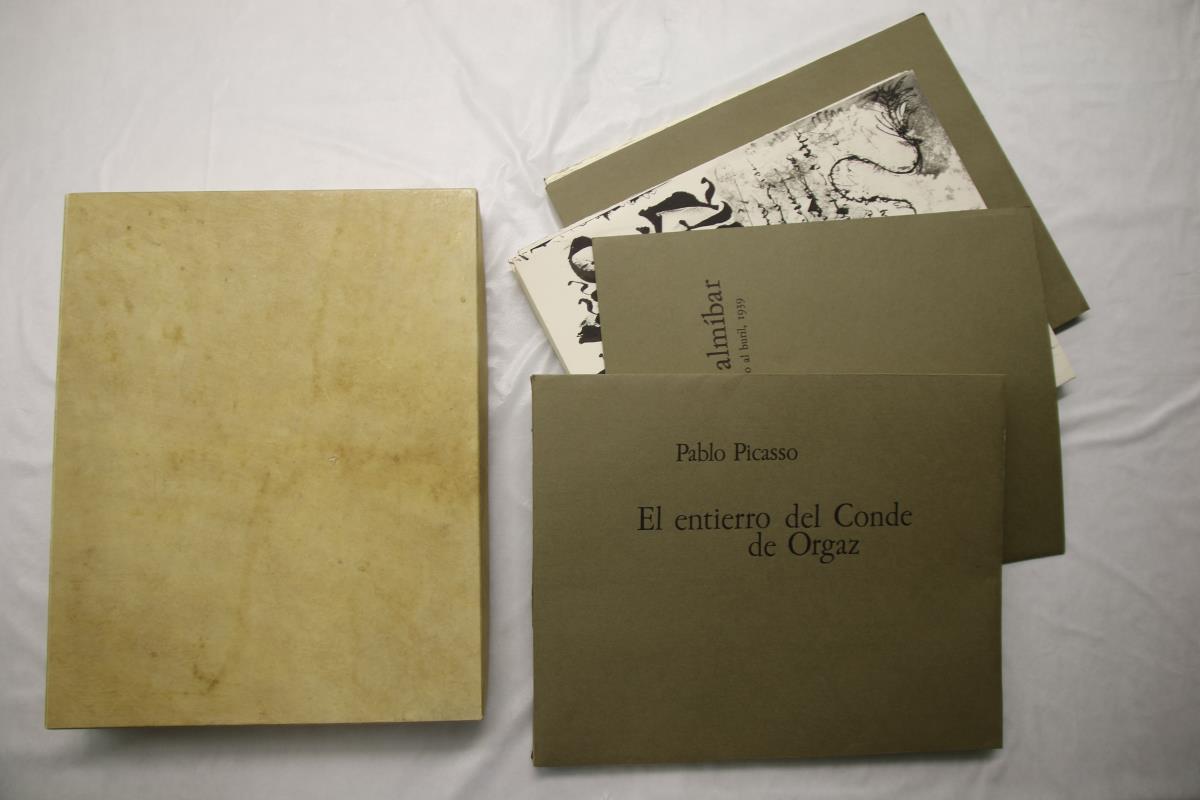
Picasso, Pablo
1969
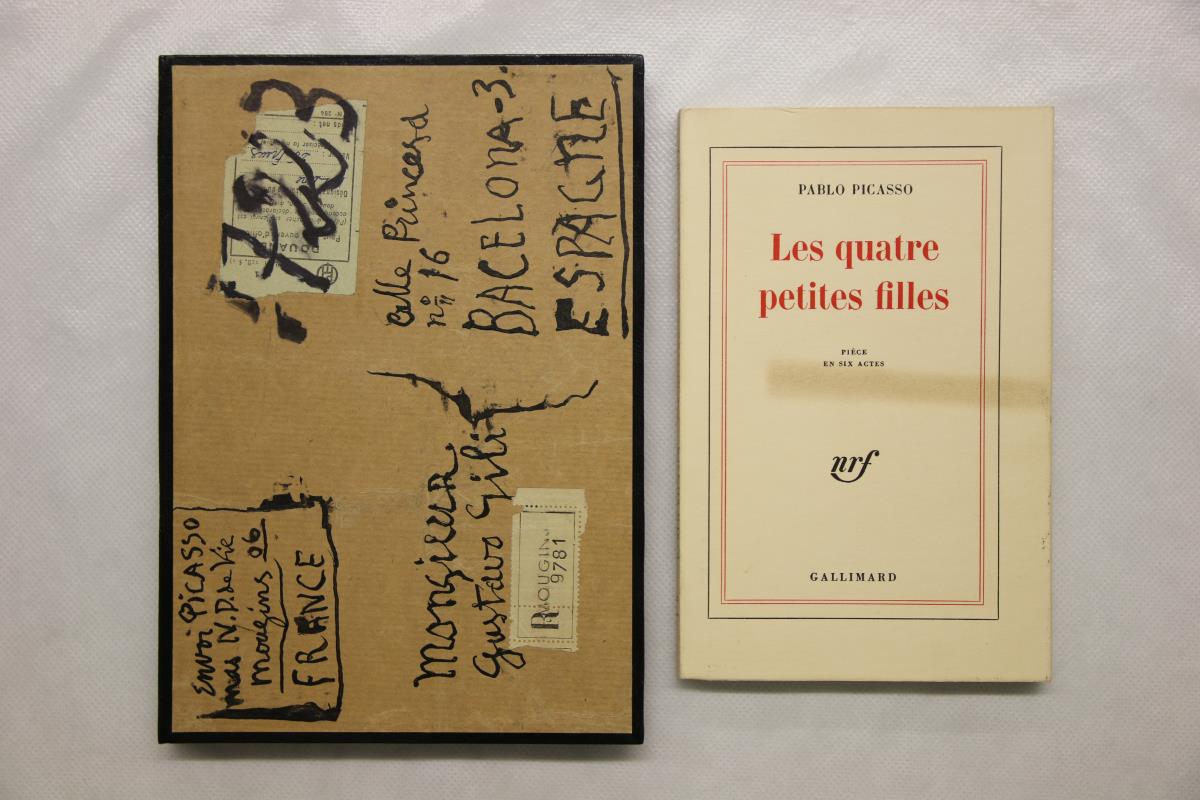
Picasso, Pablo
1968
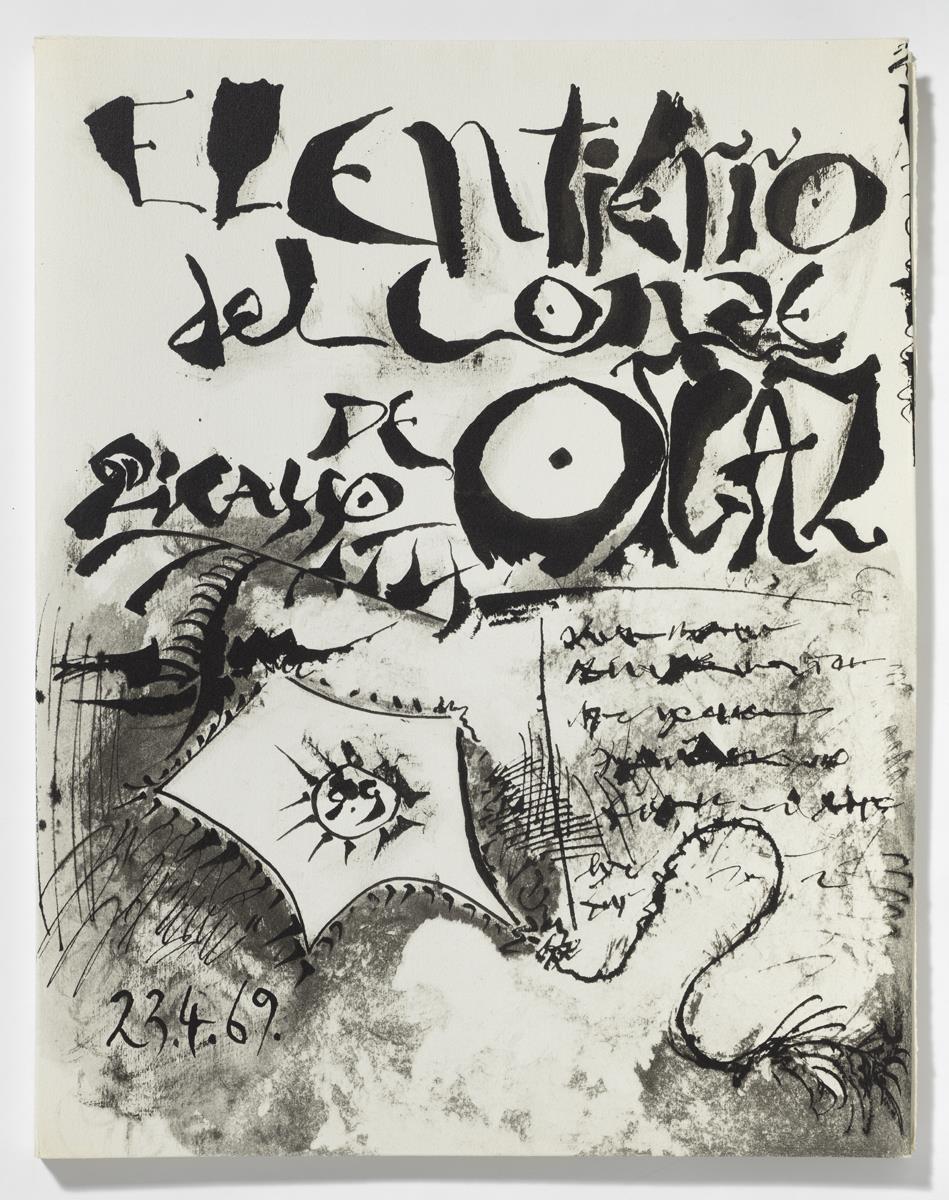
Picasso, Pablo
1969
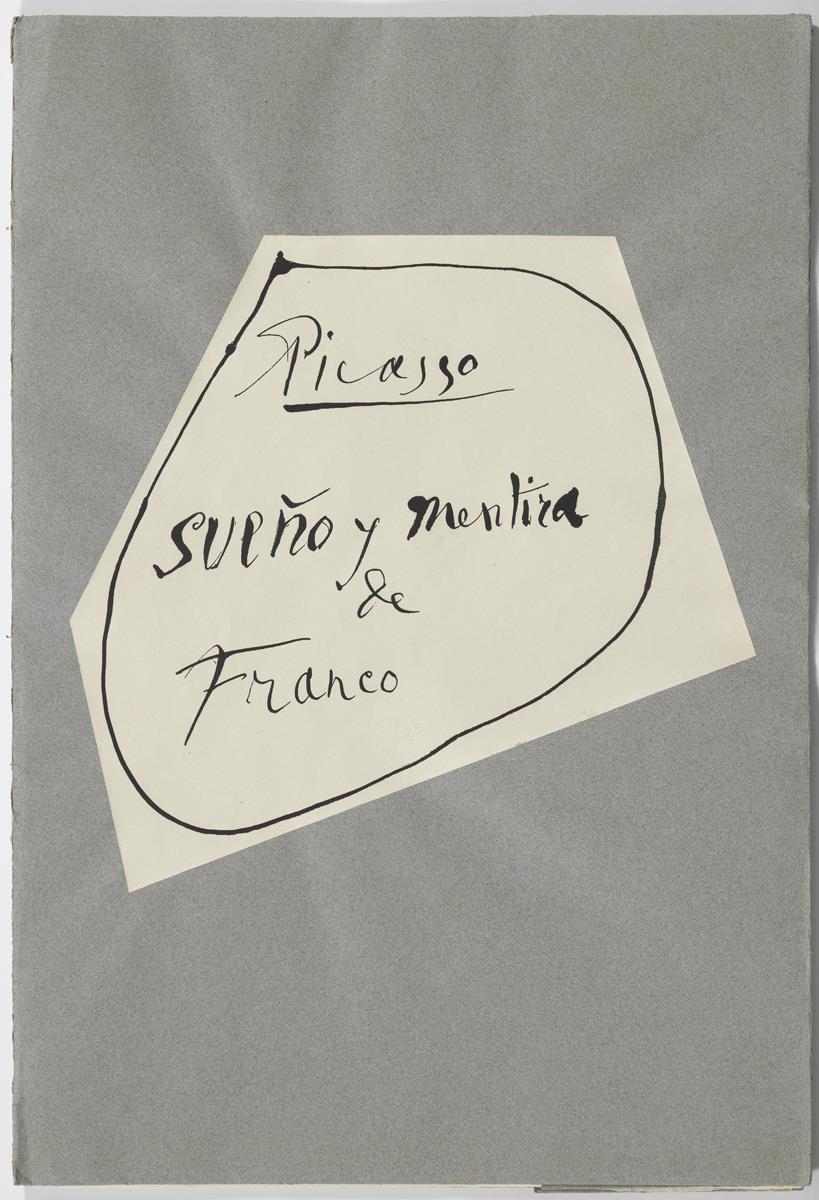
Picasso, Pablo
1937

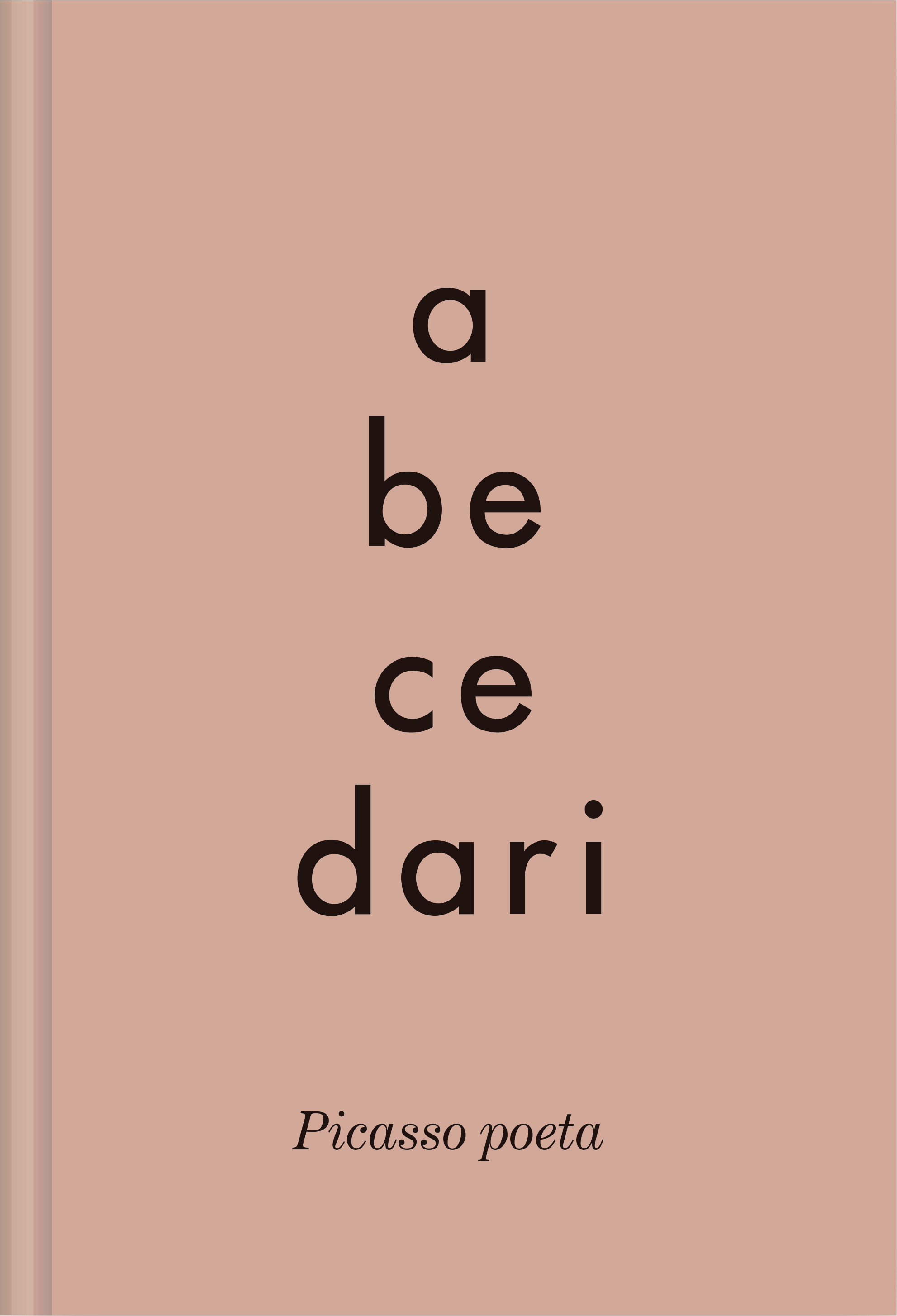
Alphabet. Picasso Poet
«say one hundred times a and afterwards b and afterwards a b a a and afterwards a b a b and afterwards a b c d jump of the toad». Picasso Pablo (22.01.1936). The structure of the alphabet perfectly matches the poetry of Picasso, who always felt a predilection for both letters and words, as well as for inventories, lists and repetitions. Writing was for him the inseparable complement of painting, because it expressed what the image could not express.
Thus the desire to build a kind of abridged dictionary of terms and names that with its various definitions and forms of use illuminate the hidden meaning of the texts and weave a track of conductive threads.
This alphabet not only gathers together the recurring themes of the writings, but also the diverse protagonists of Picasso's poetry: poets, writers, publishers, friends, women and children. It allows us to reach the heart of the Picasso universe by turning to the banal poetry of the scenes of everyday life, the ABC of things, love and eroticism, the violence of war or propitiatory rites, and, at the same time, providing a few keys to the artist's personality, psychic complexion and cosmic vision.
The multiplicity and diversity of the entries corresponds to that of the authors, which allows access to a wide variety of points of view about the reading and interpretation of Picasso's complex poetry.
Related news
Encounter with Picasso's poet friends


