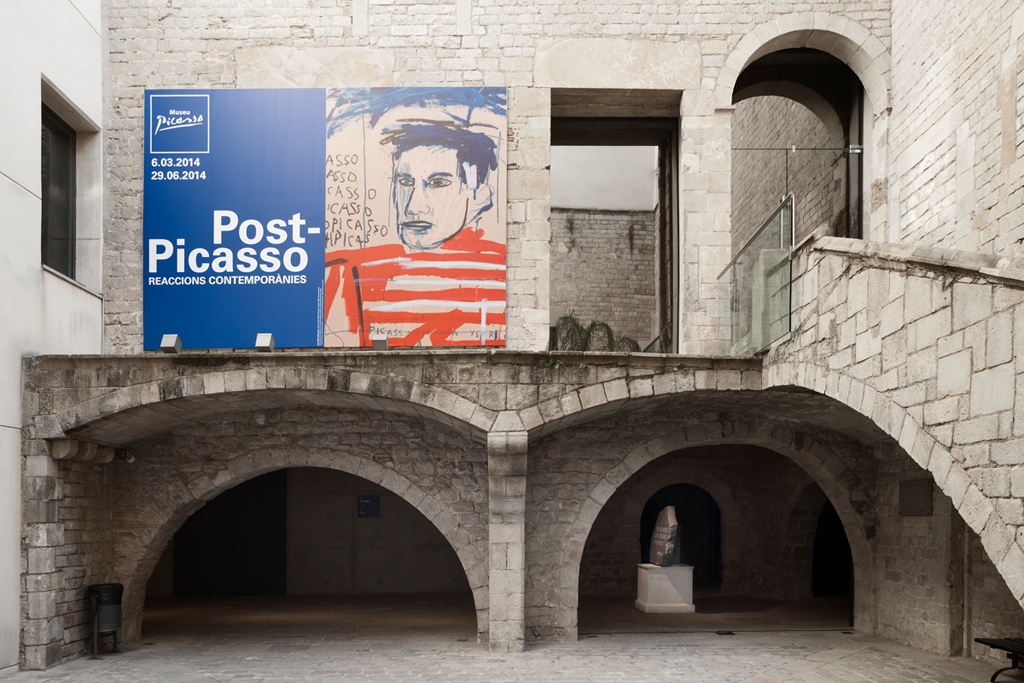
Post-Picasso. Contemporary Reactions
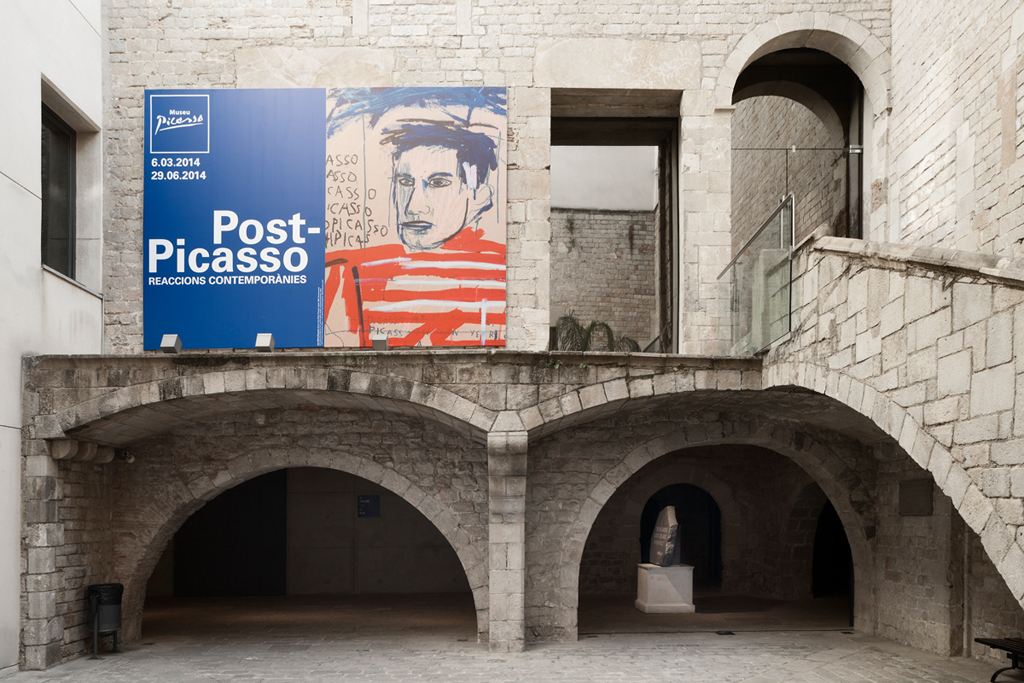
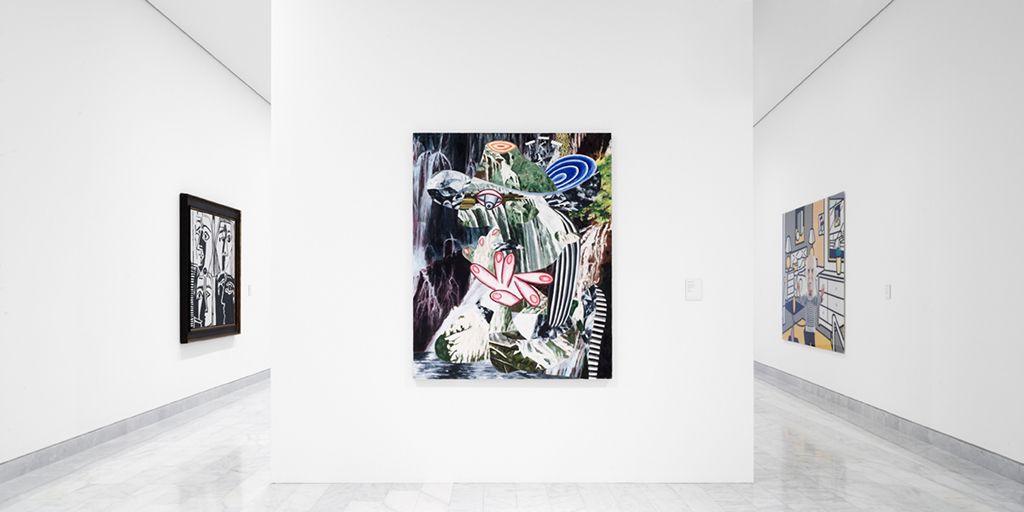
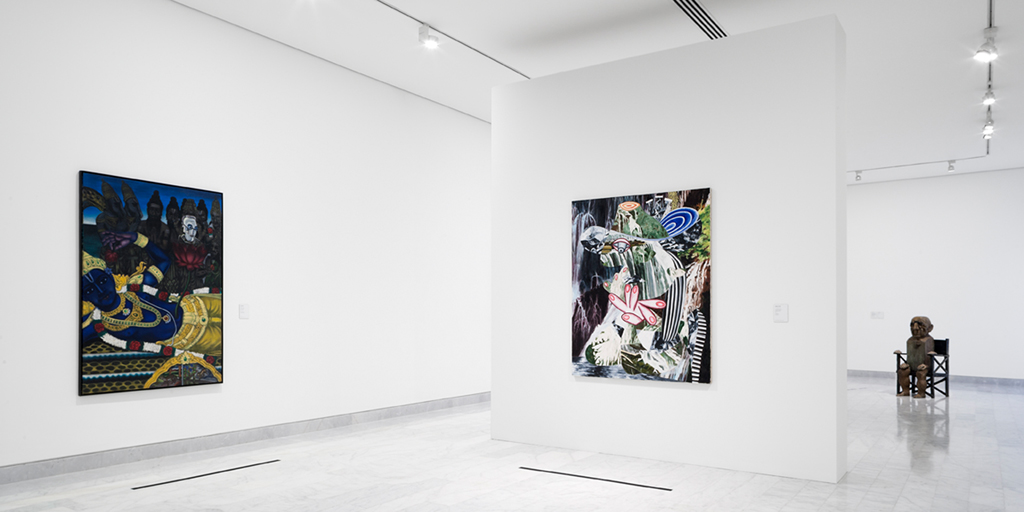
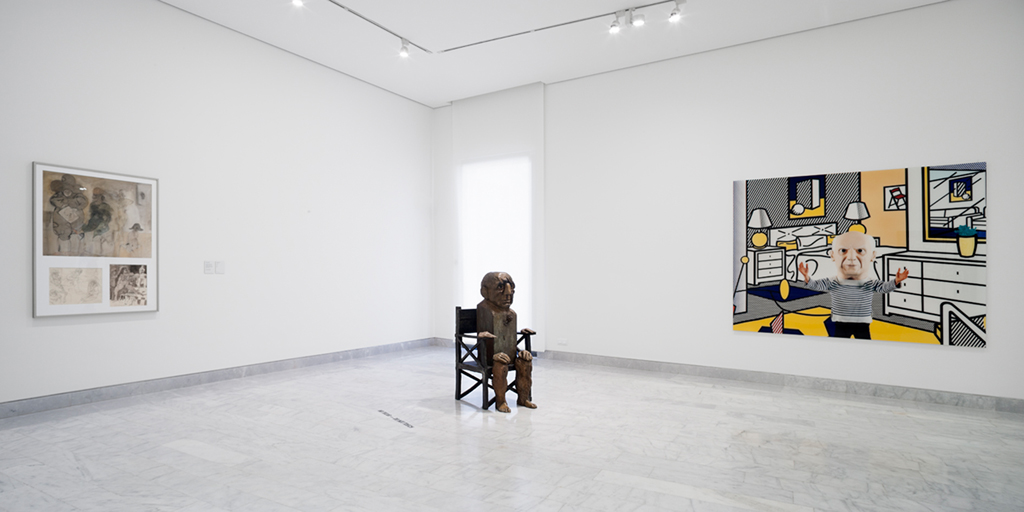
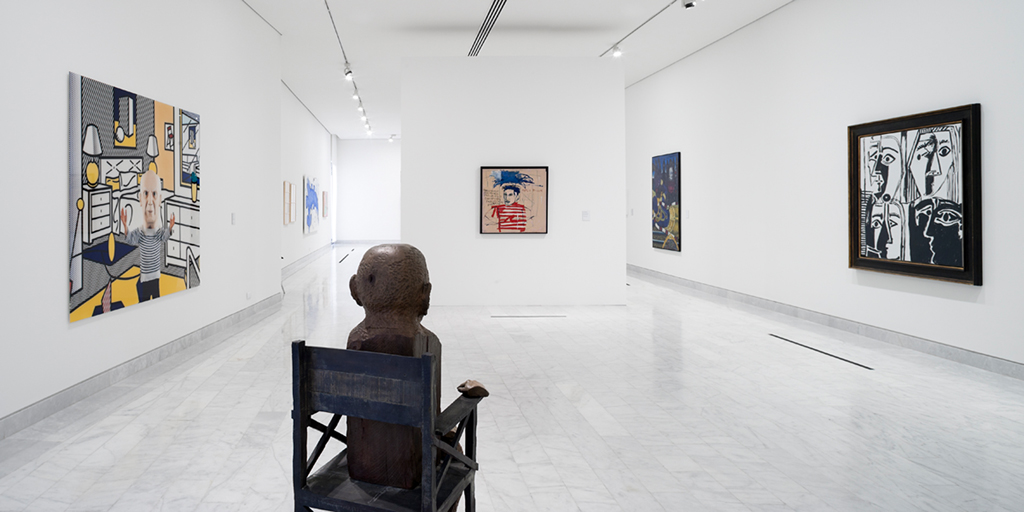
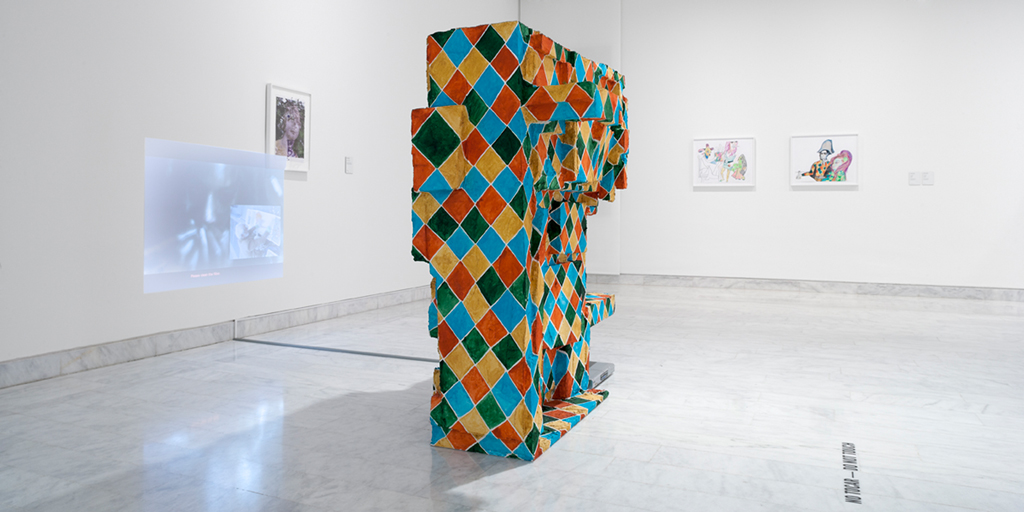
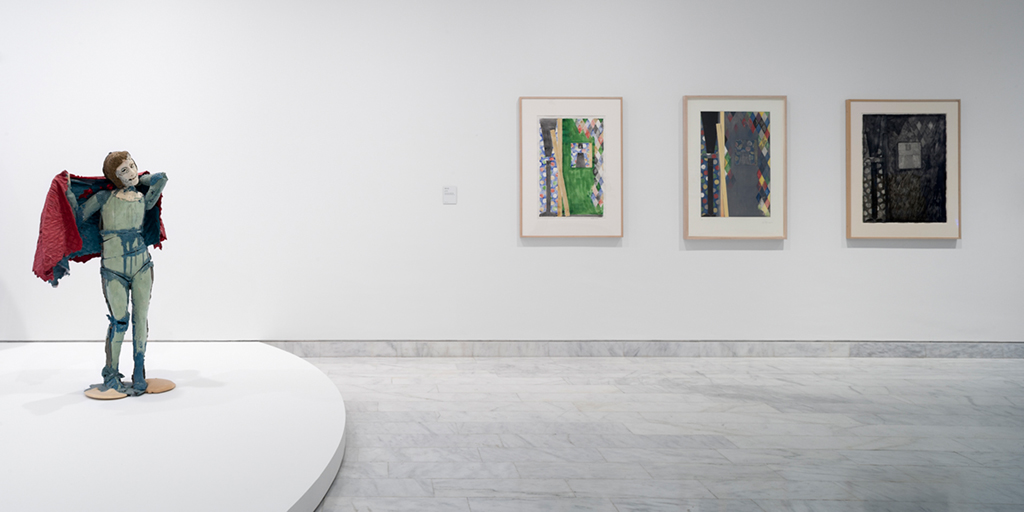
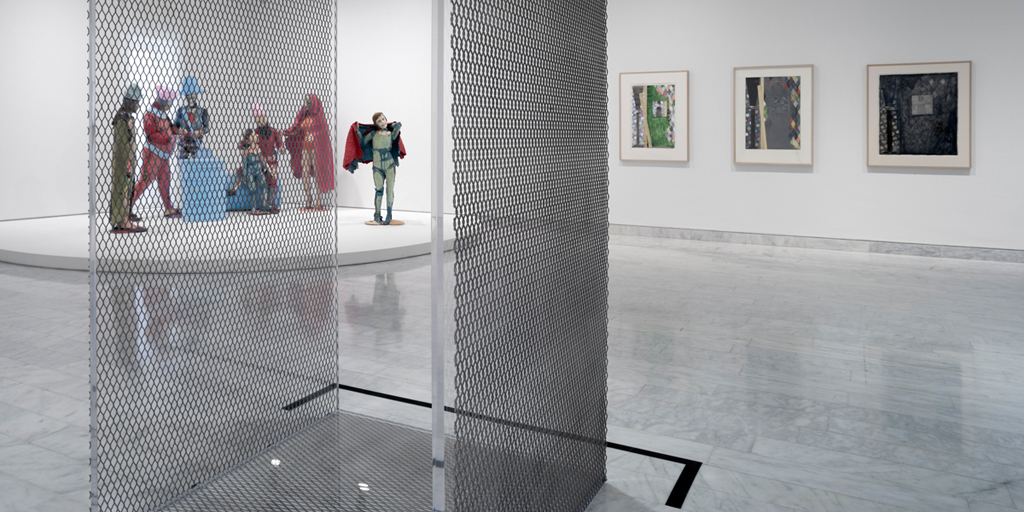
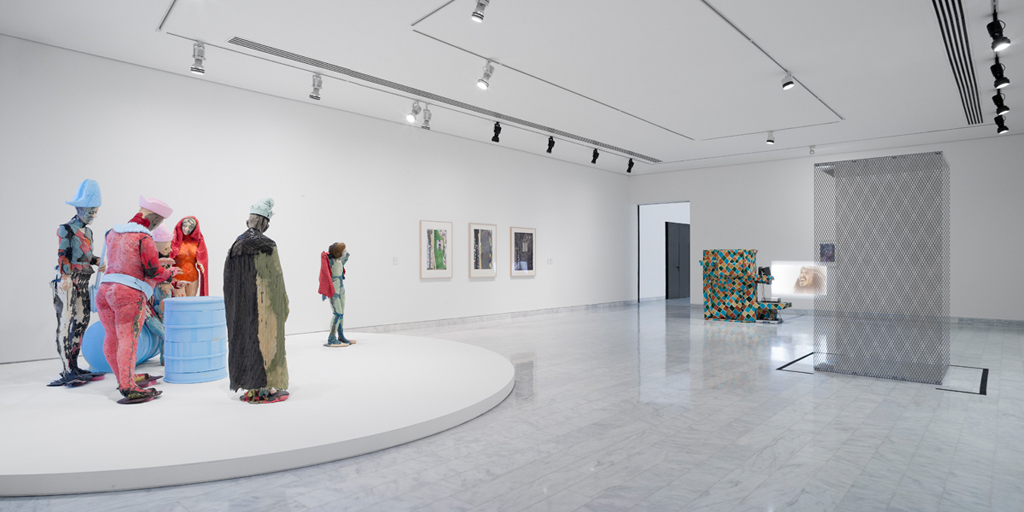
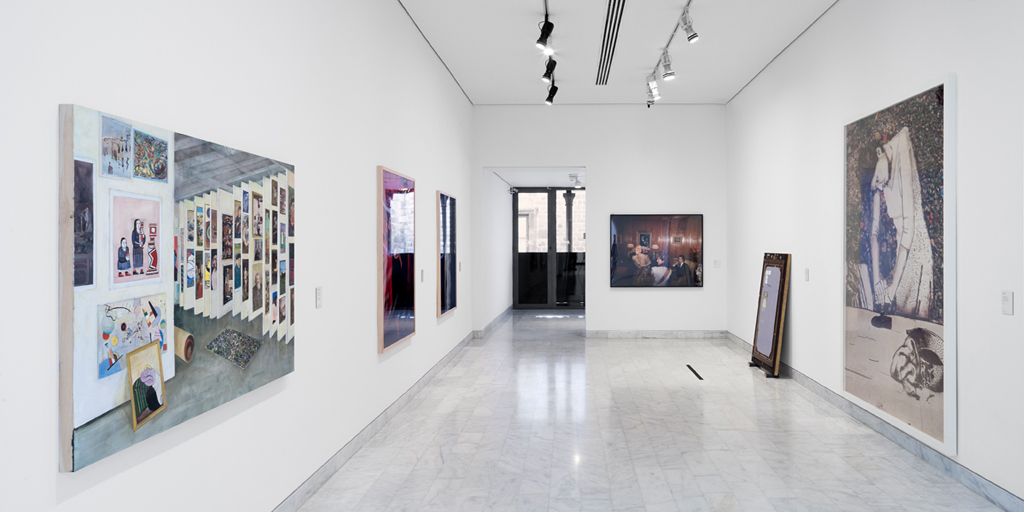
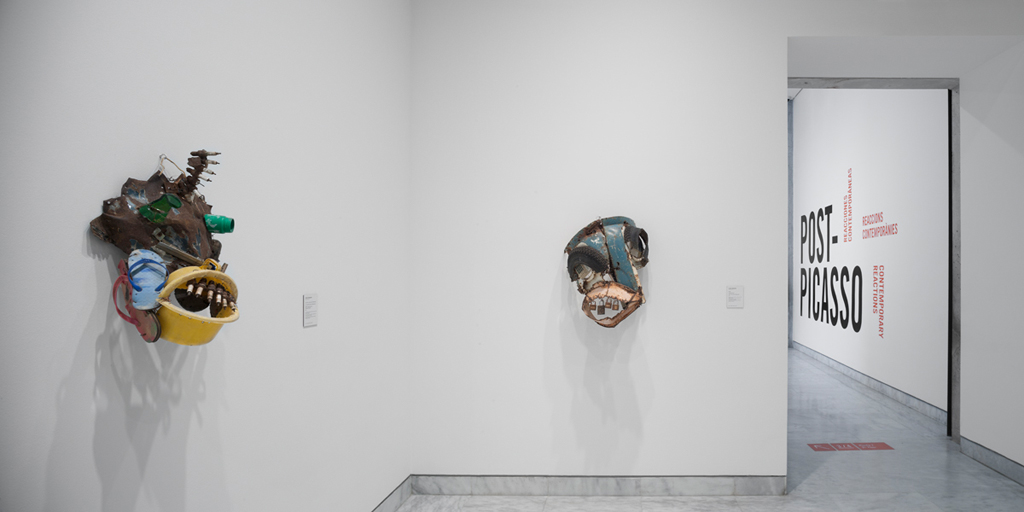
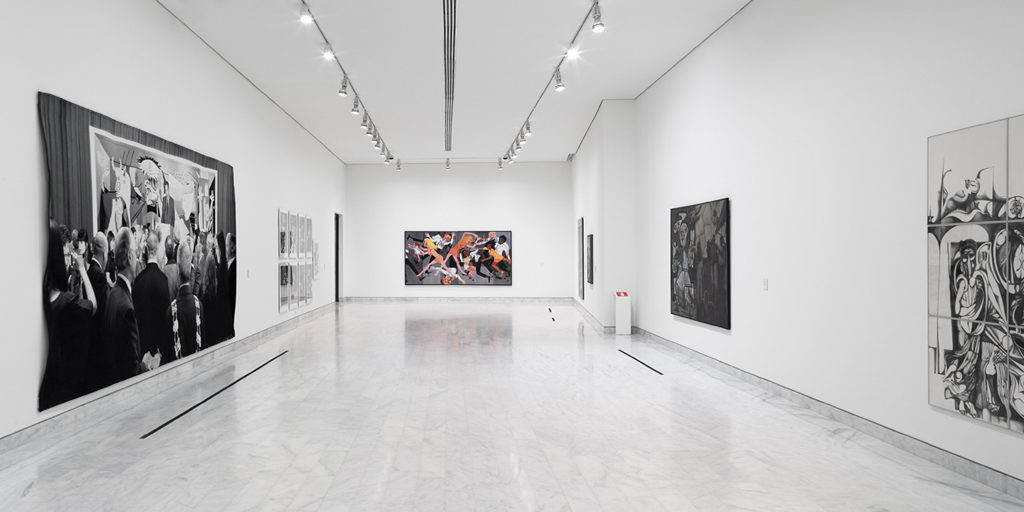
The work of forty-one contemporary artists from around the world showcases the extraordinary geographic scope of the influence Picasso exerted on contemporary art and highlights the present importance of these connections.
The exhibition examines the responses of contemporary artists to the life and work of Pablo Picasso over the course of the forty years that have elapsed since the artist's death. During this period, however, appreciation of his oeuvre has ranged from undisputed to controversial. This show addresses the issue of Picasso's current relevance to contemporary art, focusing on the different ways in which his oeuvre continues to inspire artists today.
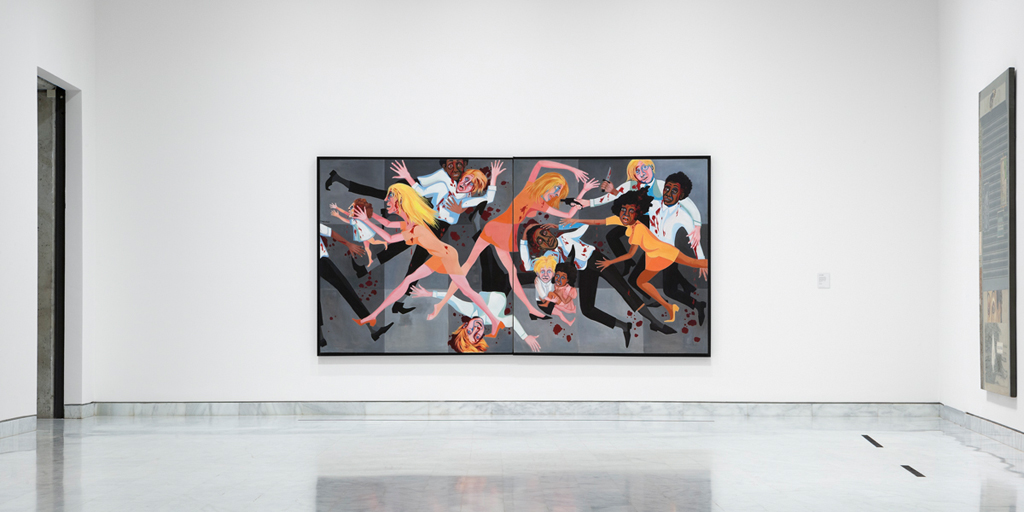
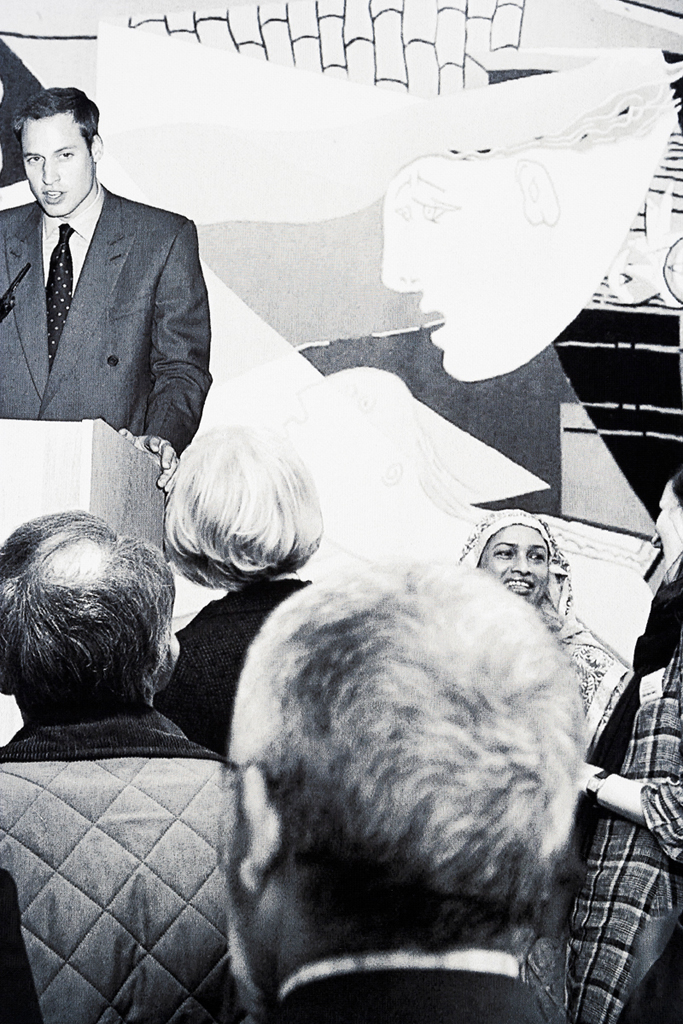
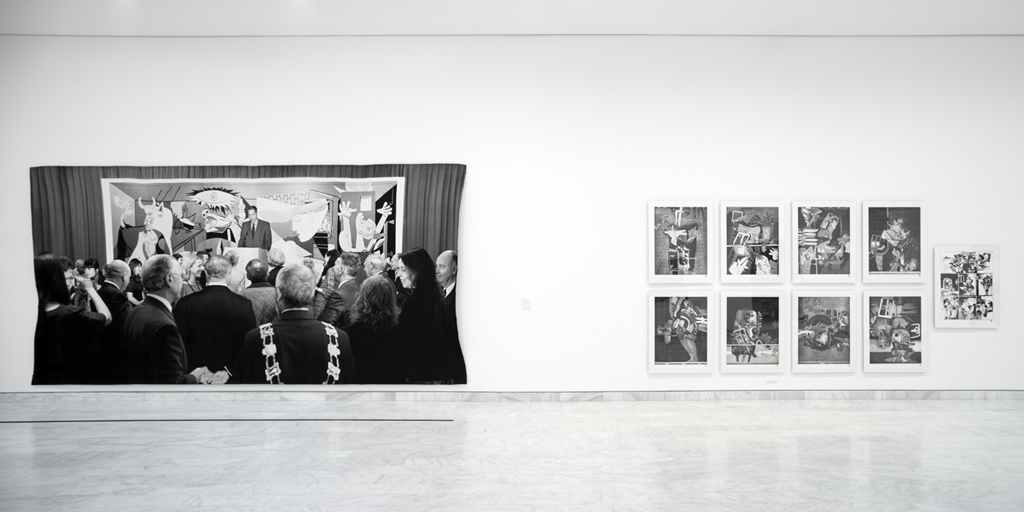
Exhibition room 1. Guernica
The global impact of Guernica (1937) continues to be immense. Since the early 1970s, the mural’s humanitarian theme and public appeal have particularly inspired artists outside Europe and North America to make work that explores the political challenges of their times, such as continuing violence over civilians in armed conflicts or political or military repression. Some European artists have also examined the legacy of Guernica to pose the question, among others, of whether artists in the twenty-first century can still inspire social change.
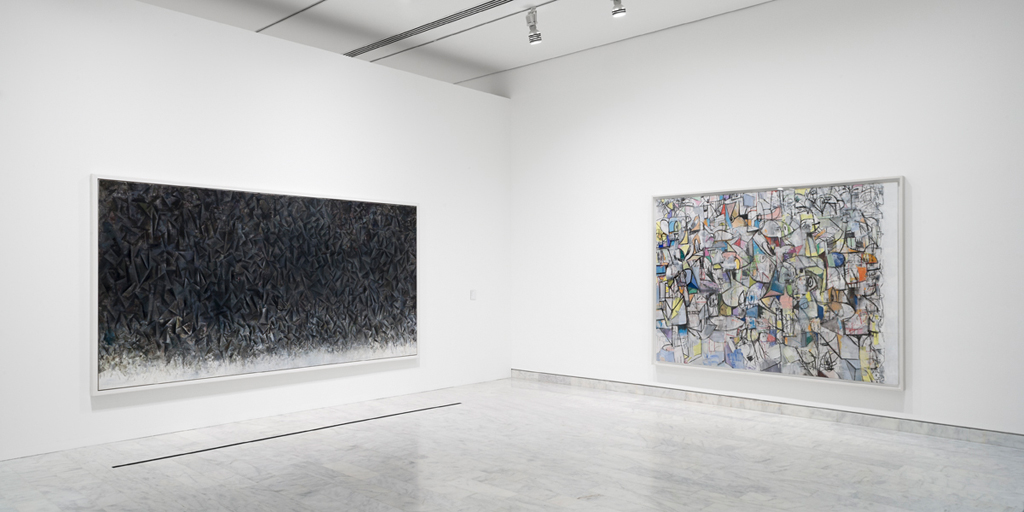
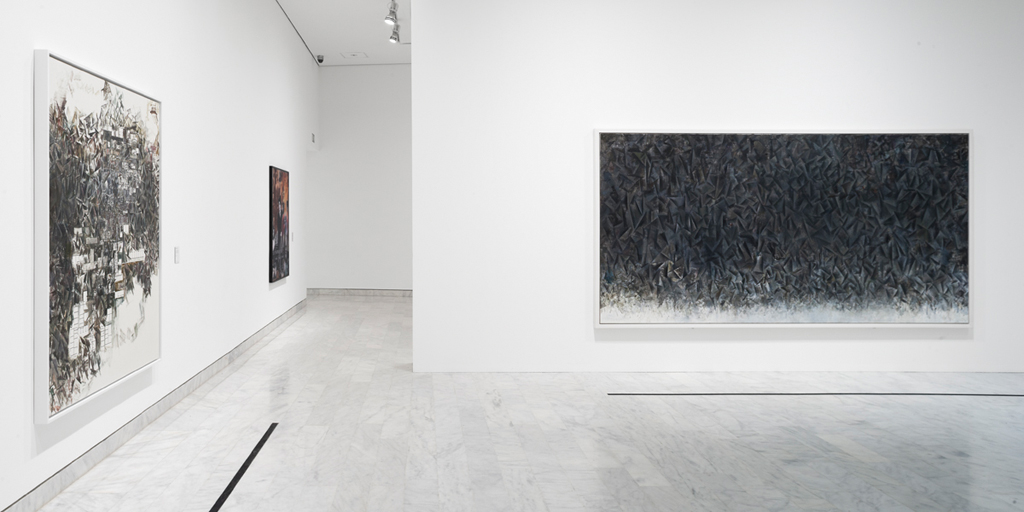
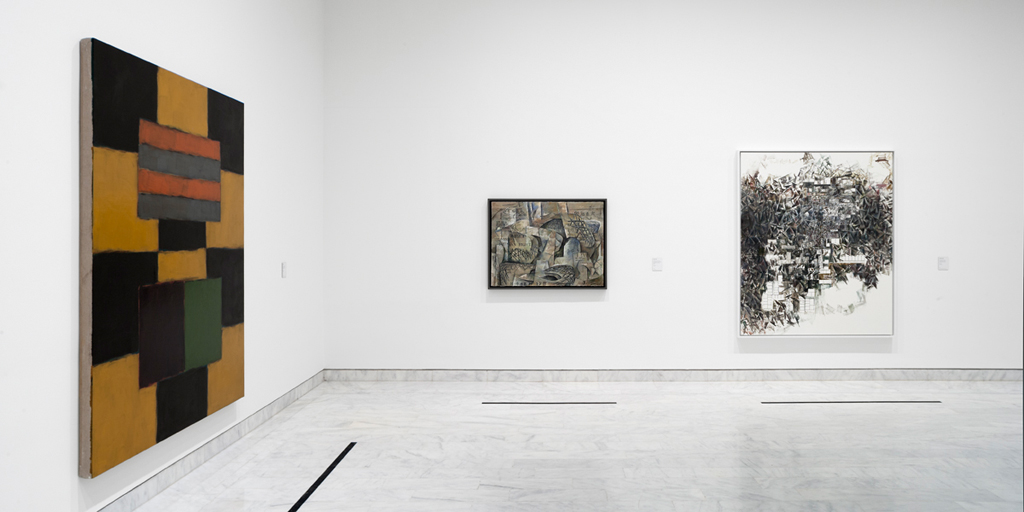
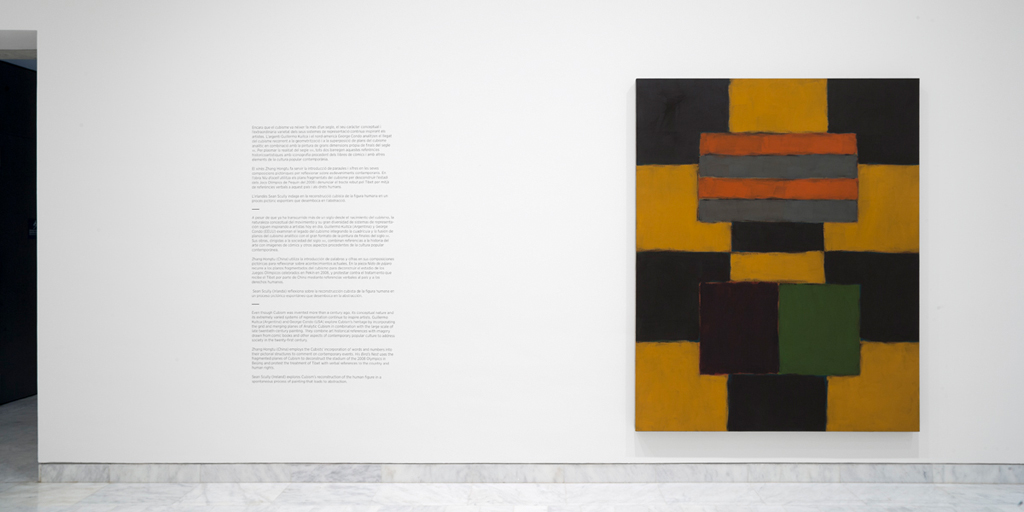
Exhibition room 2. Cubism
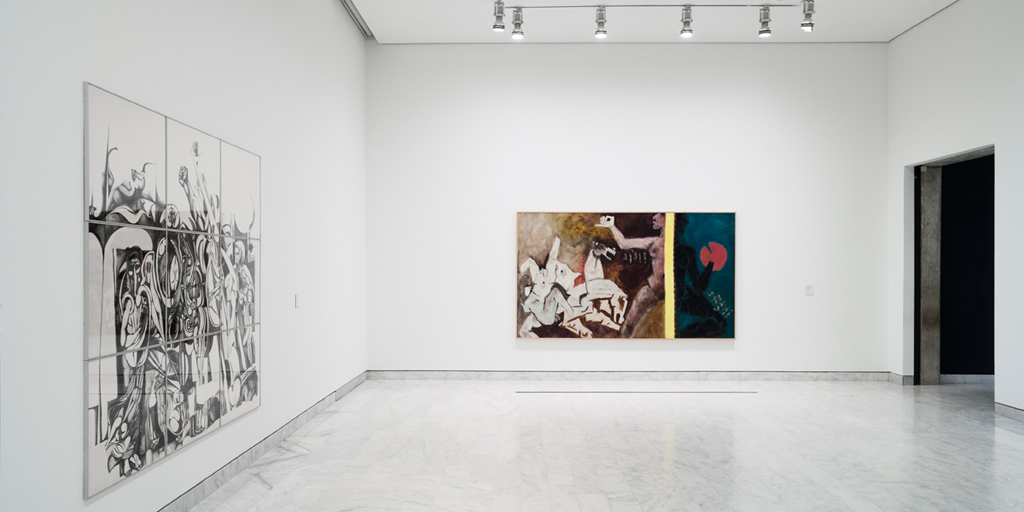
Even though Cubism was invented more than a century ago, its conceptual nature and its extremely varied systems of representation continue to inspire artists, some by incorporating the grid and merging planes of Analytic Cubism in combination with the large scale of late twentieth-century painting. These art historical references are often combined with imagery drawn from comic books and other aspects of contemporary popular culture, as well as with references that bring forth a reflection on contemporary events.
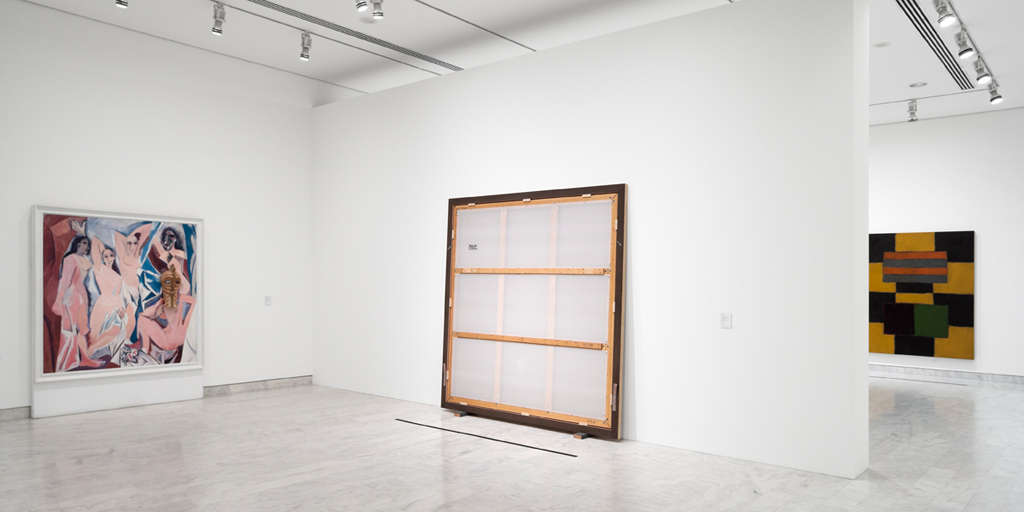
Exhibition room 3. Les Demoiselles d’Avignon
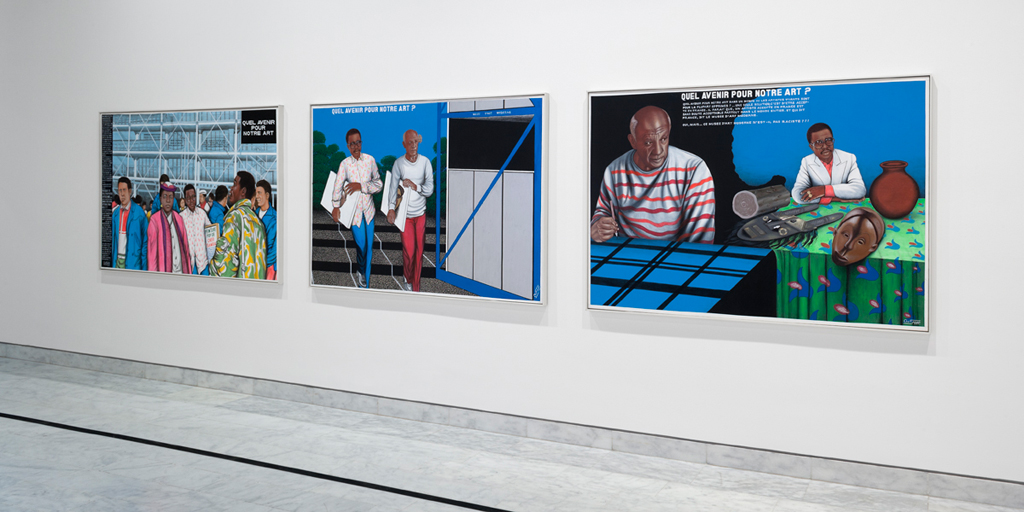
Les Demoiselles d’Avignon (1907) remains a primary focus for artists who examine two of the most important issues of contemporary art: the question of how we judge originality in modern Western art, and the complex questions of multi-cultural relations in the current world. The extensive response of African artists to Picasso’s use of the art of non-Western cultures is central to the exhibition. Through the artist’s work, the issue of the position of African artists in the contemporary world is addressed, as well as the process of the West’s interaction with Africa is critically reviewed.
Exhibition room 4. Blue and Rose Periods
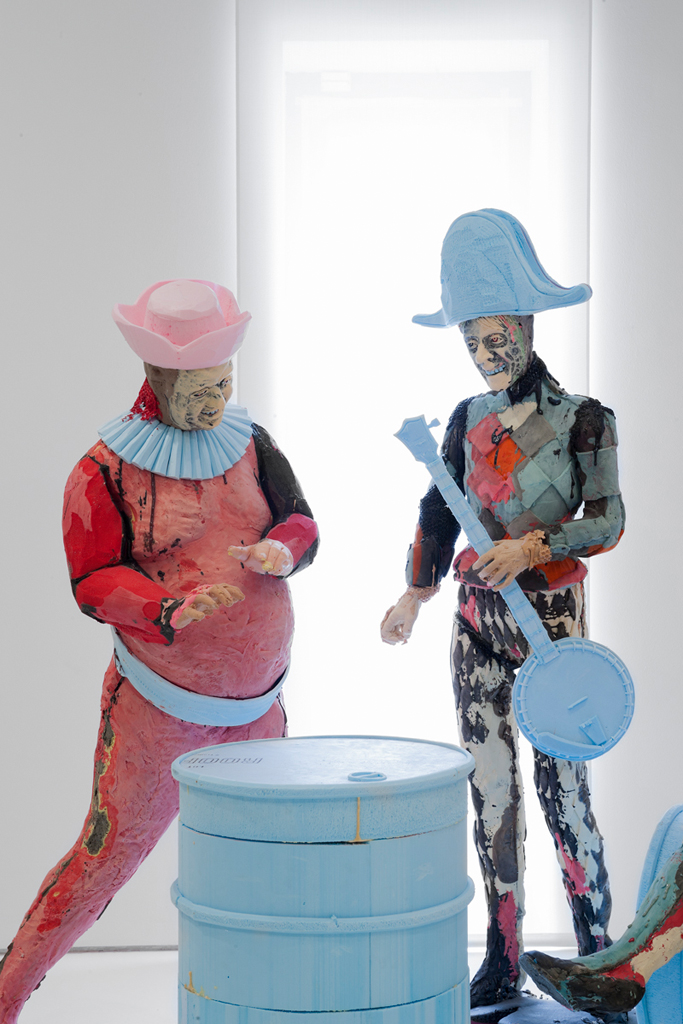
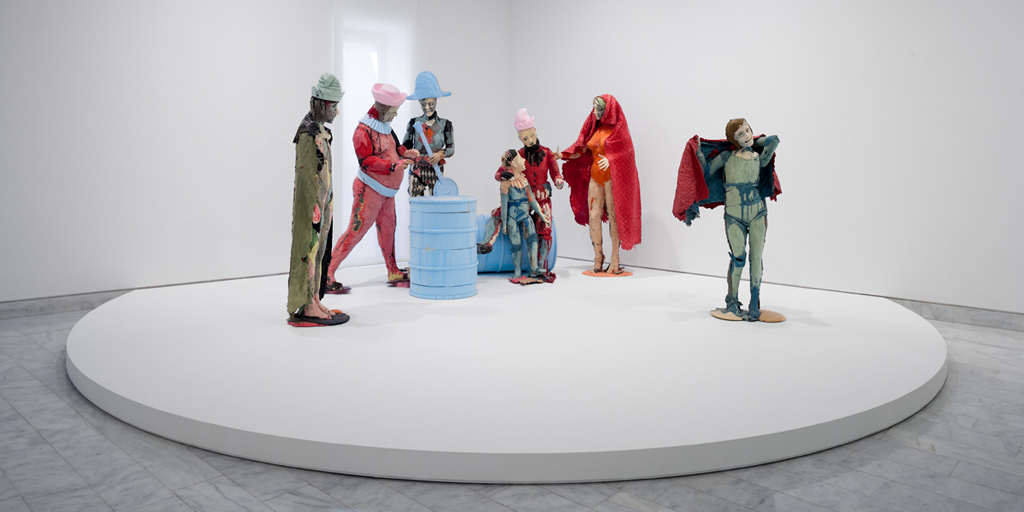
More than a century after Picasso created his Blue and Rose works, artists in the first decades of the twenty-first century are making this art the focus of some of the most searching explorations of contemporary experience. Unlike critics who have sometimes criticized the Blue and Rose works for their sentimentality and beauty, these artists respond to the biting contrast between Picasso’s exquisite rendering and his dejected subjects of poor, dispossessed workers – emblems of the economic inequities of our time. Picasso’s meditations on artists’ problematic relation to society through the theatrical characters of saltimbanques and harlequins are adapted by artists to analyze the artists’ current situation in our society of media celebrity and commercial exchange.
Exhibition room 5. Late Work
During Picasso’s last decades, his great fame and commercial success prompted doubts about his artistic achievements. His reputation as the leading artist of the twentieth century became controversial, and painting seemed less important for contemporary art. In the years following Picasso’s death, however, the remarkable freedom of his late technique and his courageous depiction of old age have caused his last work to be widely acclaimed. Reflections on this image of Picasso as an artist known more for his celebrity than for his art coexist in the work of some artists that consider Picasso’s late style as a precedent for combining traditional painting techniques with the crude marks of graffiti.
Exhibition room 6. Surrealism
Picasso’s exploration of Surrealism during the 1920s and 1930s has stimulated a remarkable variety of artists to explore depictions of sexuality and creativity as uninhibited and constantly changing processes. These responses range from examinations into the unlimited potential of the imagination, to conceptions of art as an overwhelming force of transformation, as well as explorations on the interaction of the spontaneous and planned in the creative process.
Chronicle of the exhibition
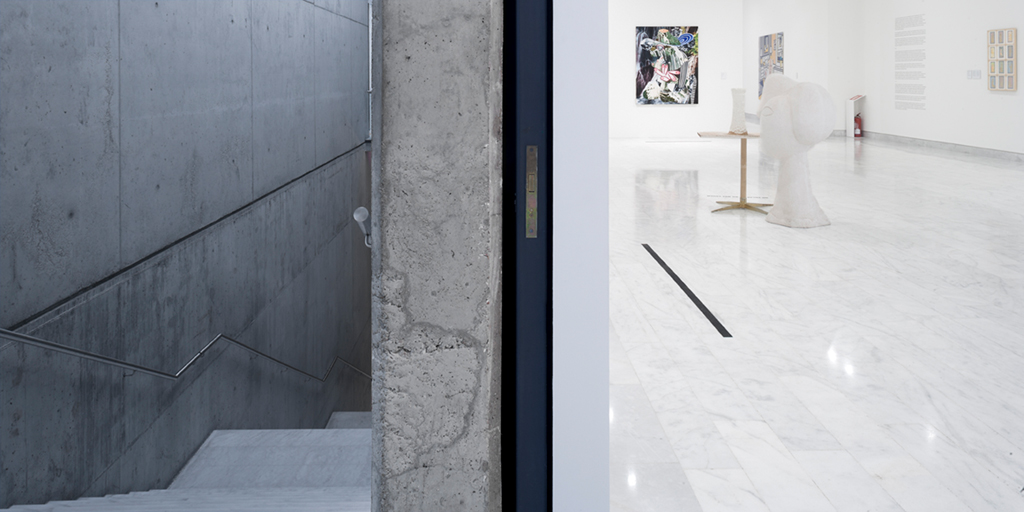
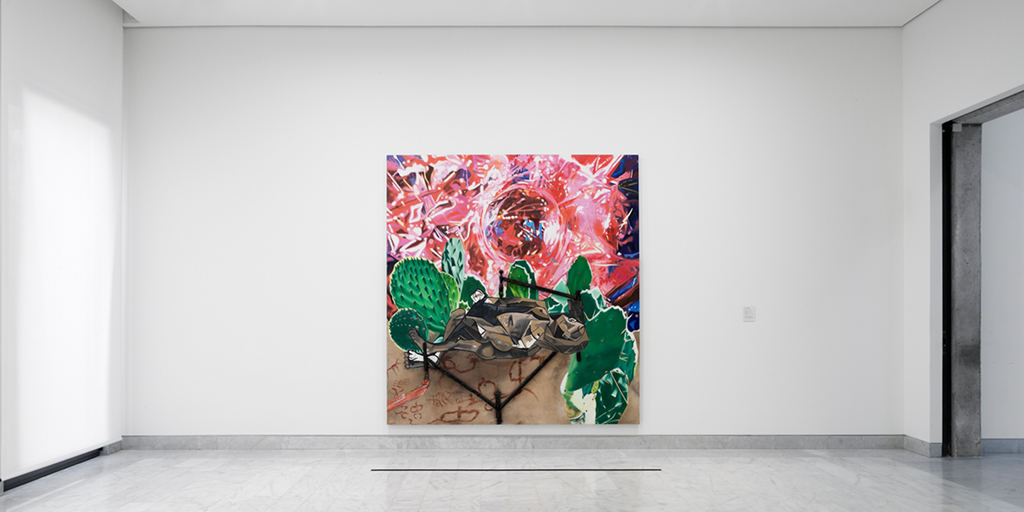
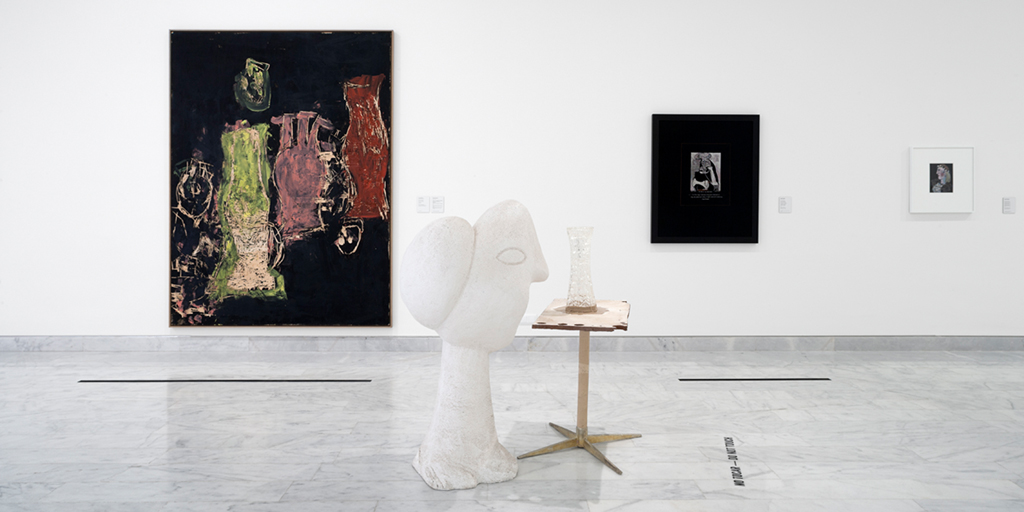
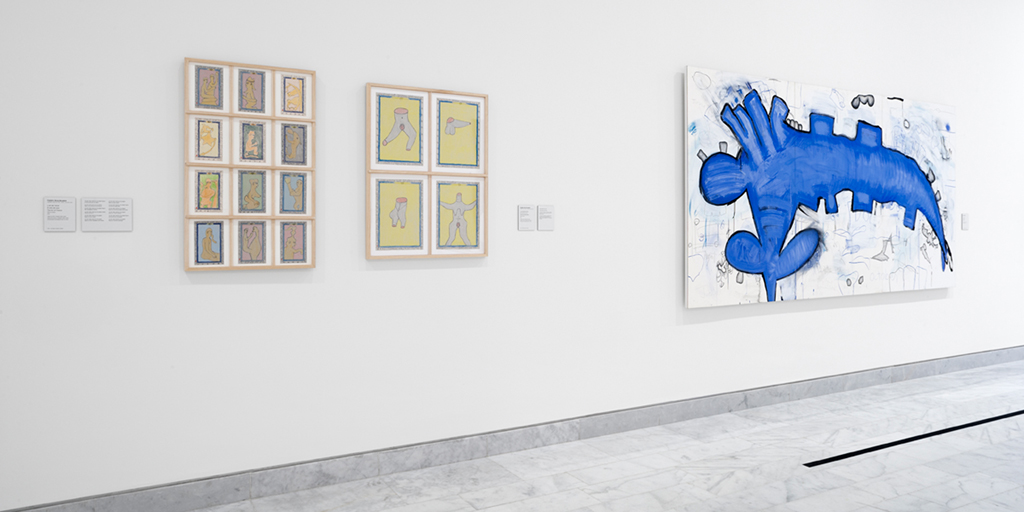
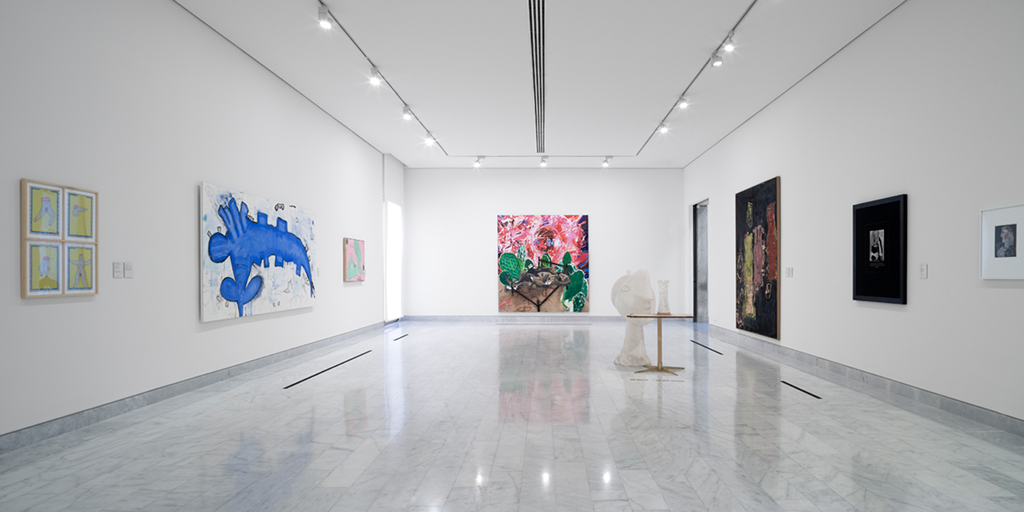
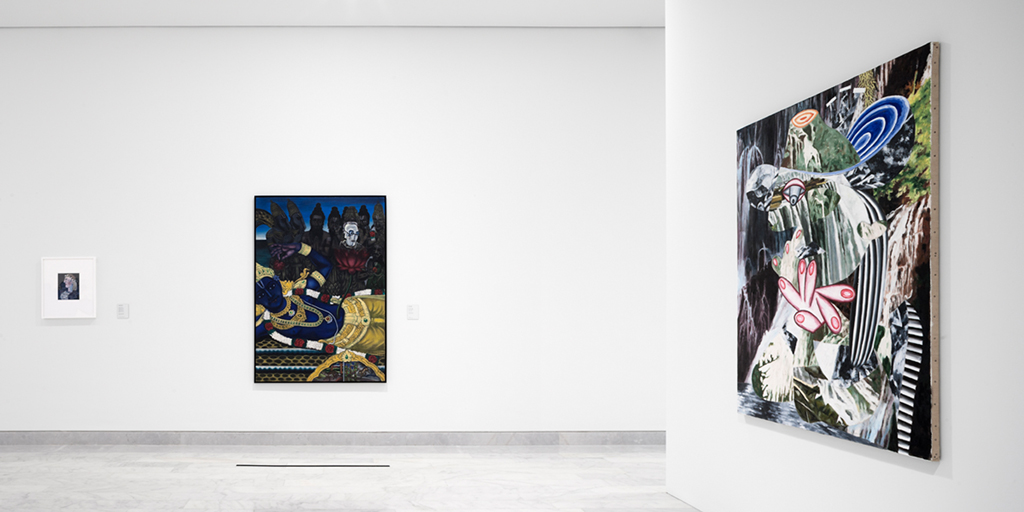


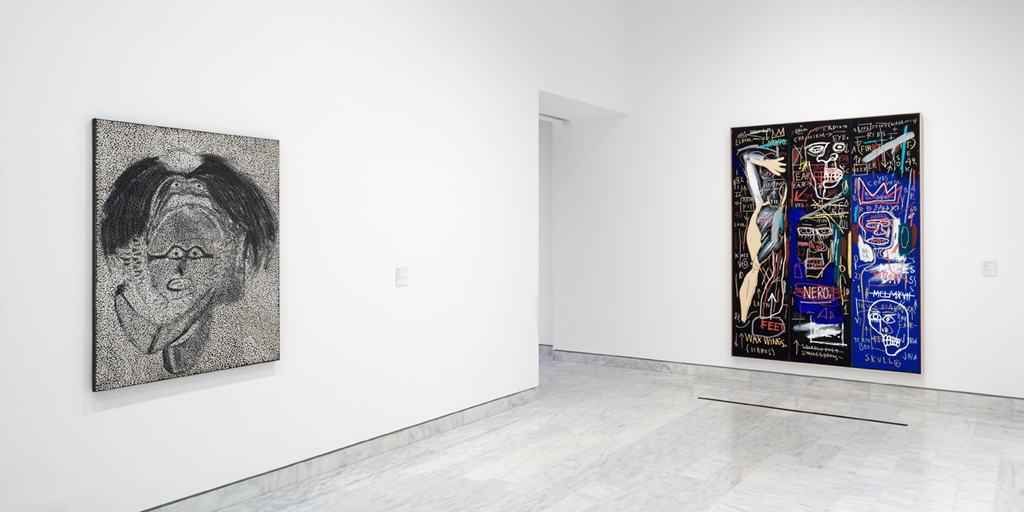
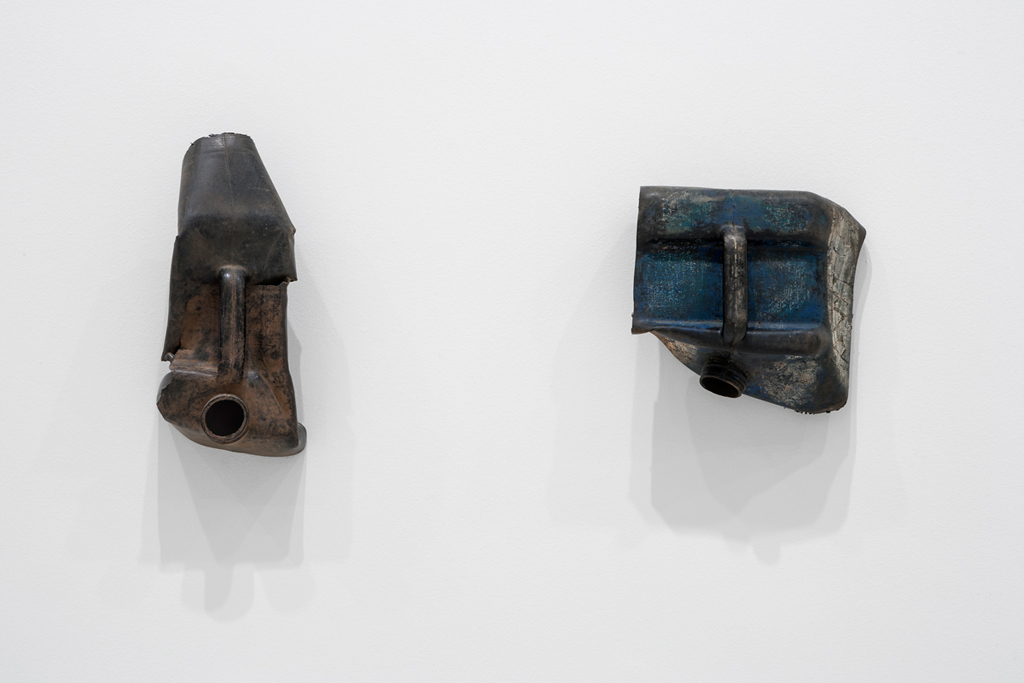
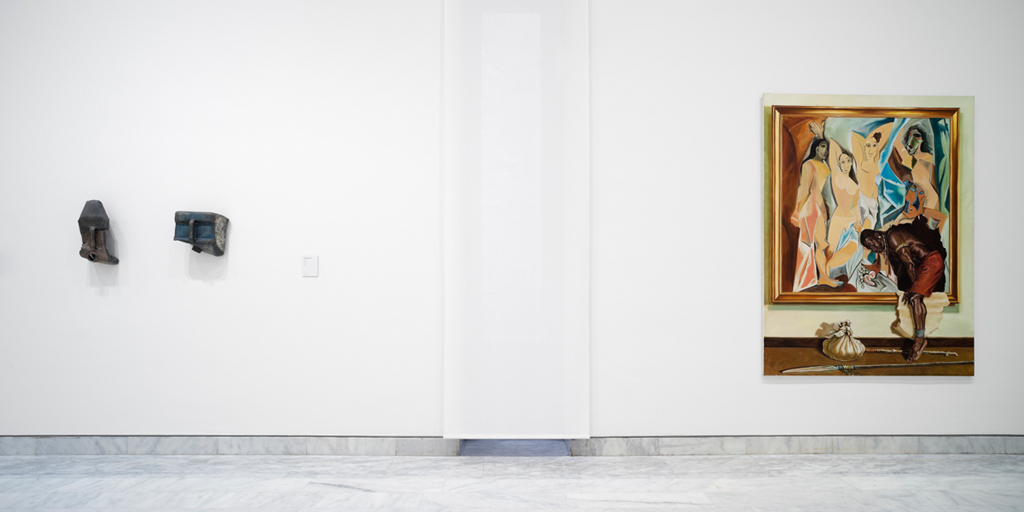
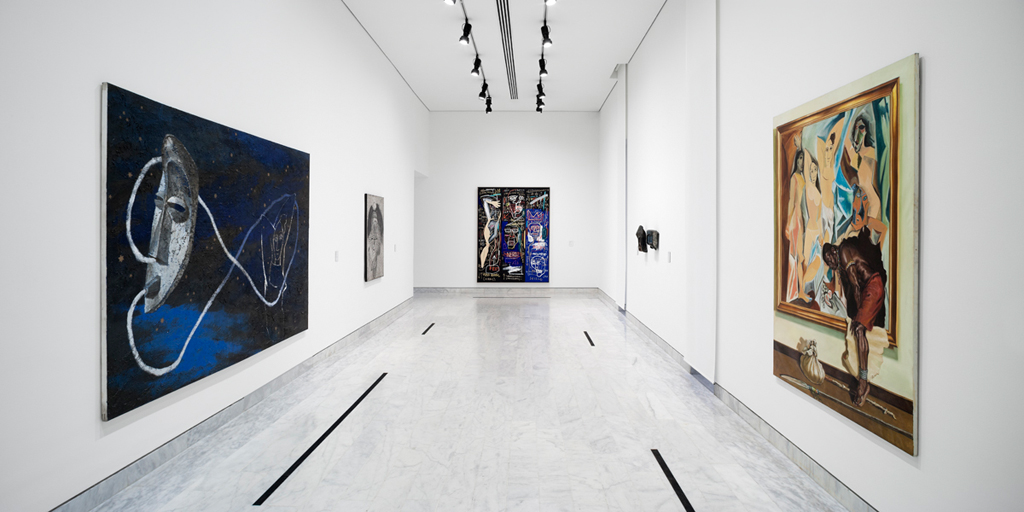
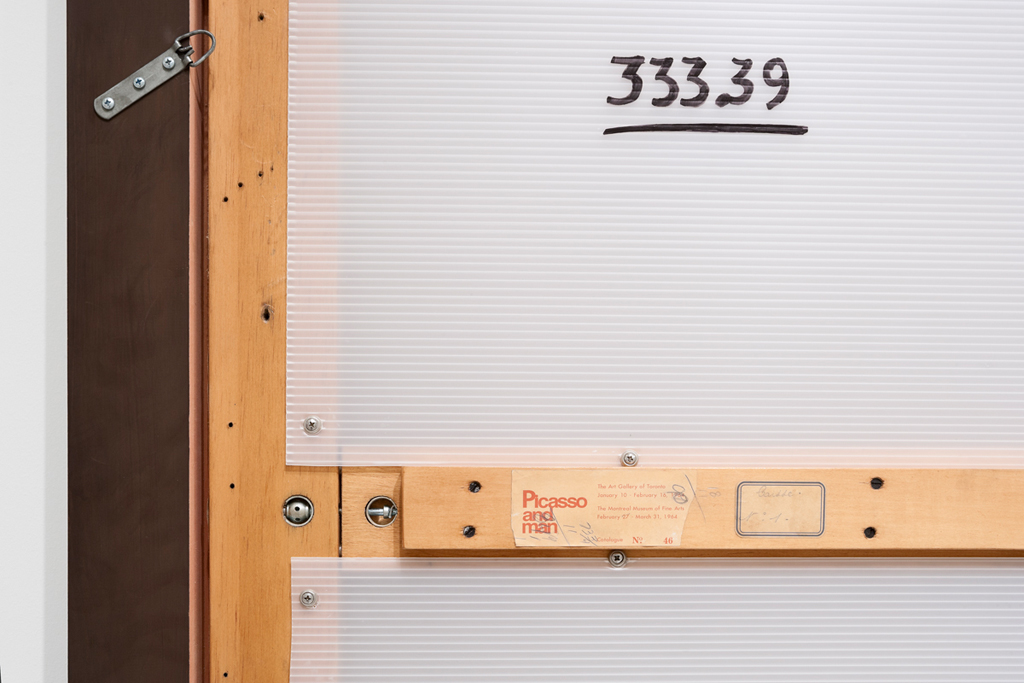
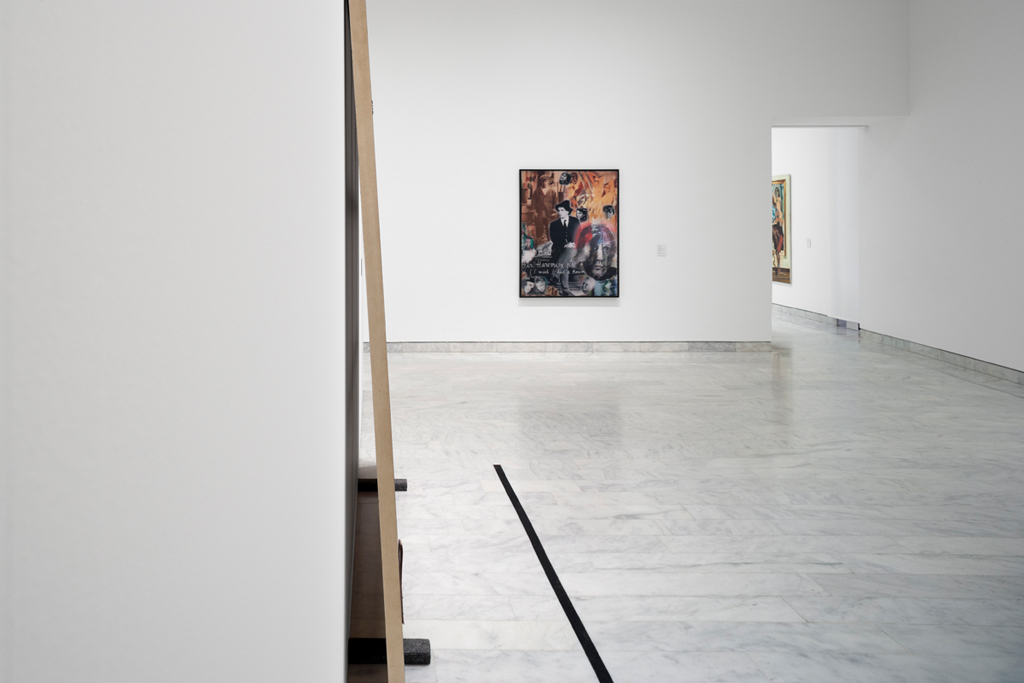
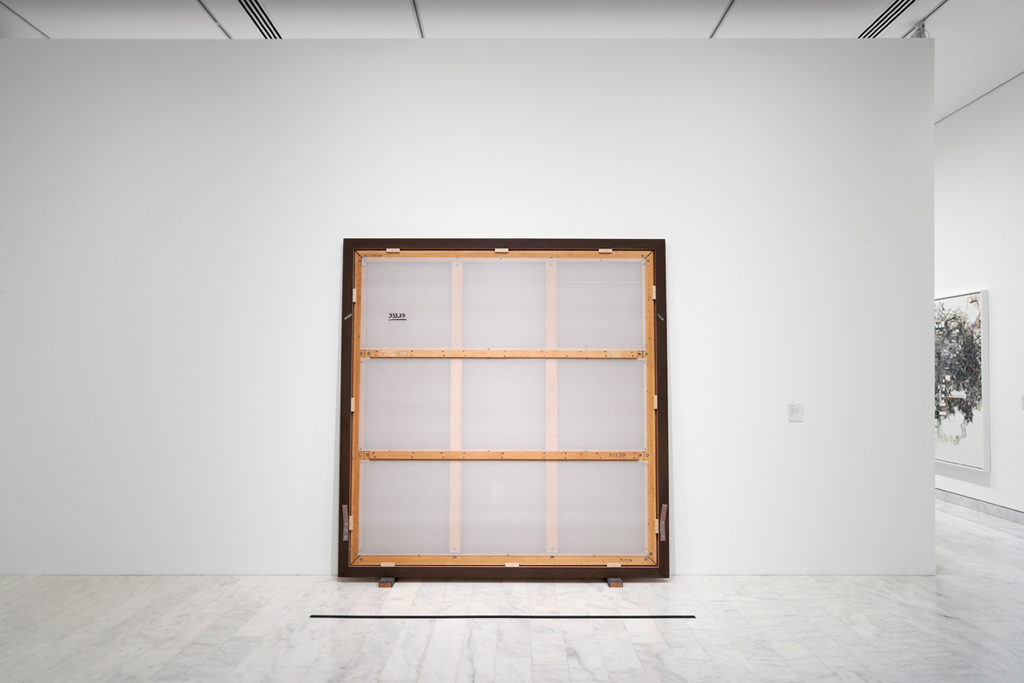
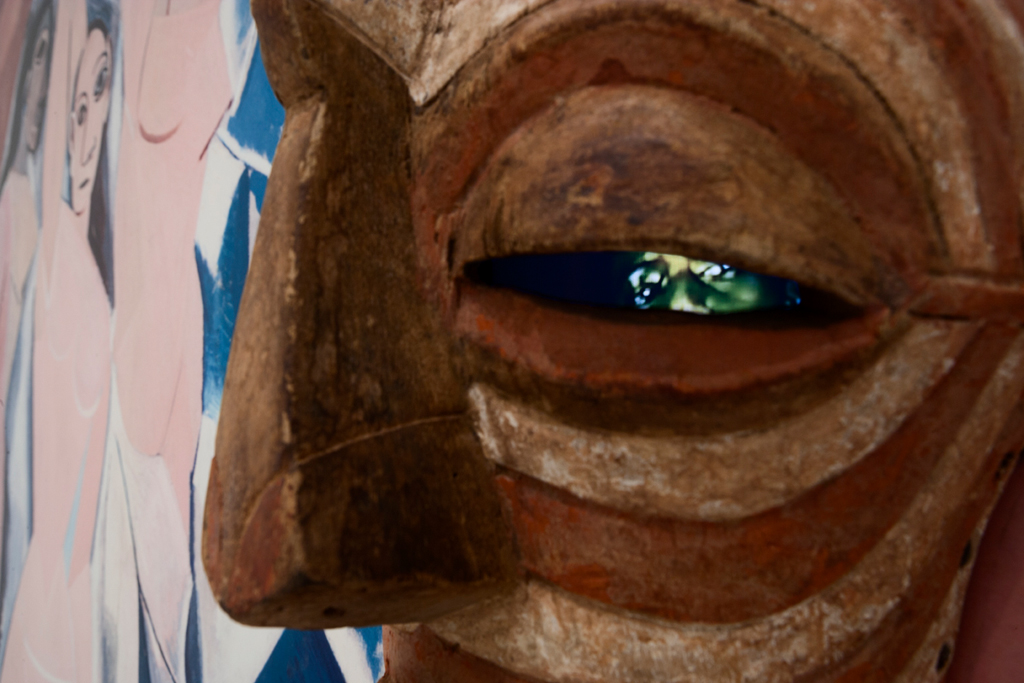

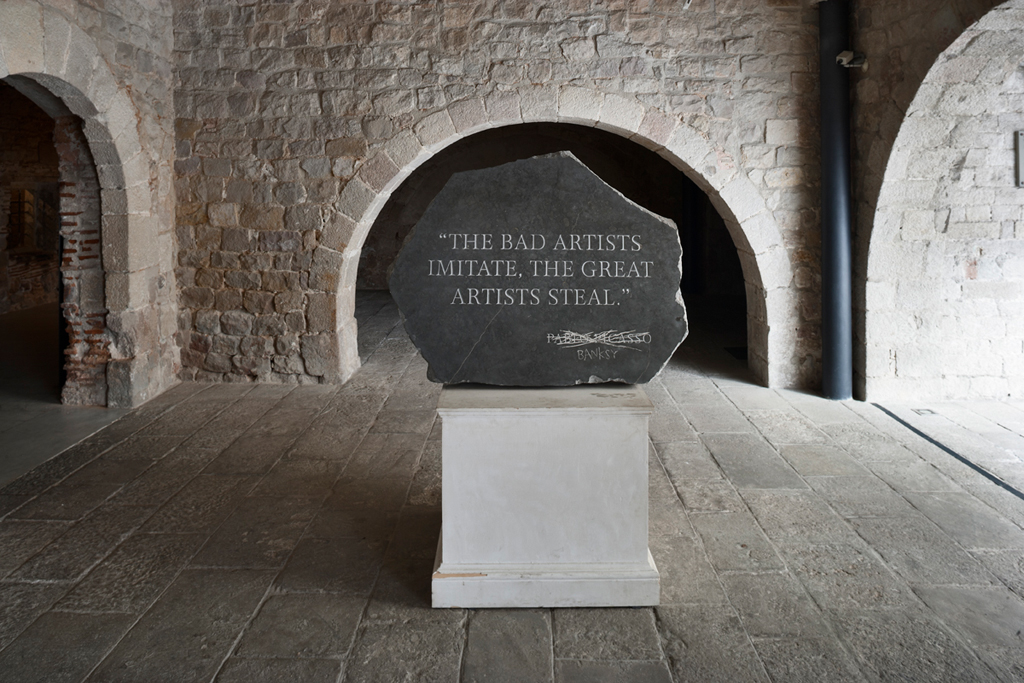

Post-Picasso. Contemporary reactions
Michael FitzGerald, author of this catalogue and curator of the homonymous exhibition, and who in 2006 organised for the Whitney Museum of American Art of New York the exhibition «Picasso and American Art», has constructed an entertaining and educational tour through the production of artists from very diverse backgrounds and cultures – from North America, Europe, Latin America, Asia, Australia and Africa, who have been inspired by Picasso since his death. However, FitzGerald hasn't presented Picasso as a master to whom the rest of the artists are subordinated, if not, he has wanted to make known the way in which these creators have used the work of Picasso to elaborate their own works and how the dialogue with history and modernity has contributed to enriching and transforming contemporary culture.
Therefore, «Post-Picasso. Contemporary Reactions » dismantles the preconceived ideas and breaks the stereotypes and, at the same time shows us the fascinating ways that each of the artists has chosen to construct themselves and construct their career. A plurality and wealth of trajectories and approaches that allow us to get a deep insight into the knowledge of Picasso and his reception in an exceptional and new way.


