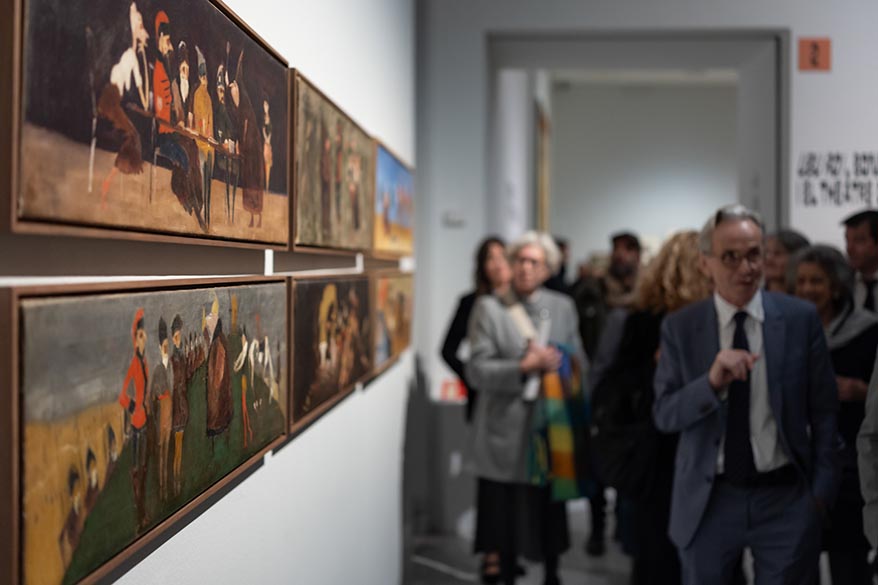
Ubu painter. Alfred Jarry and the arts
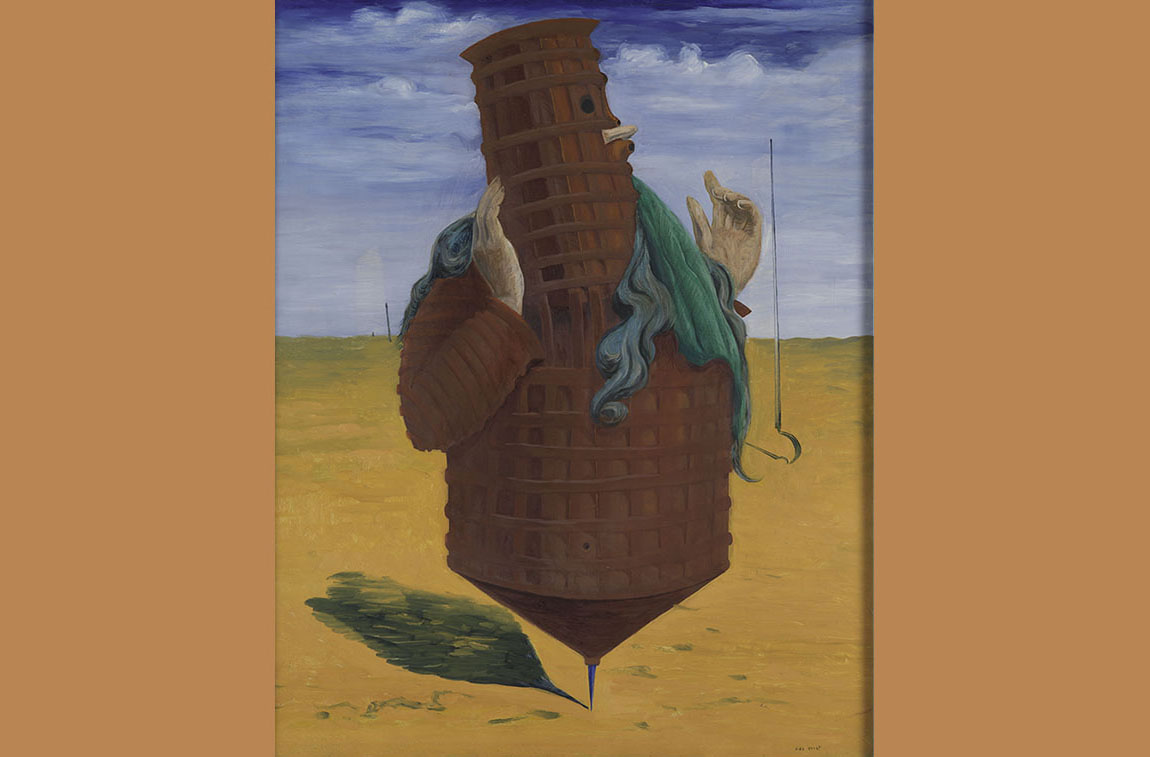
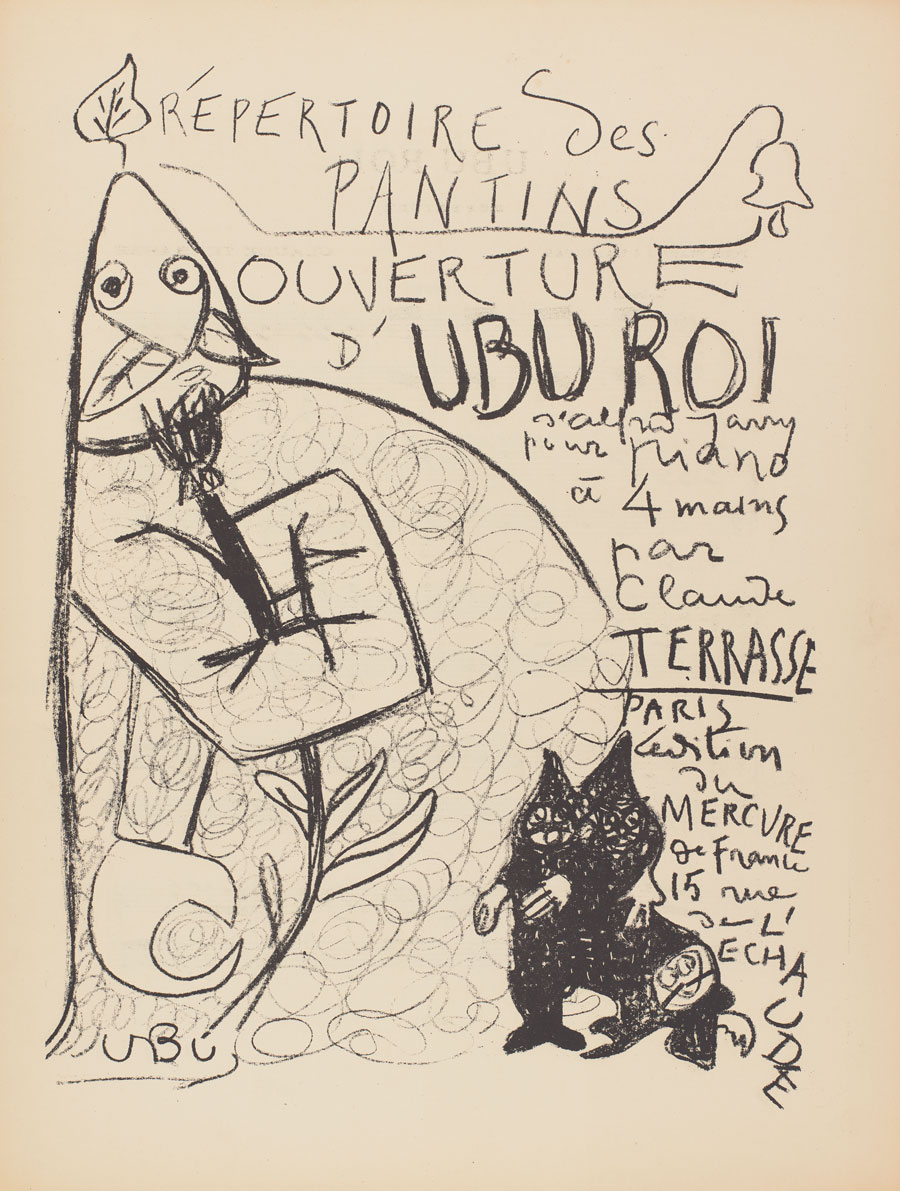
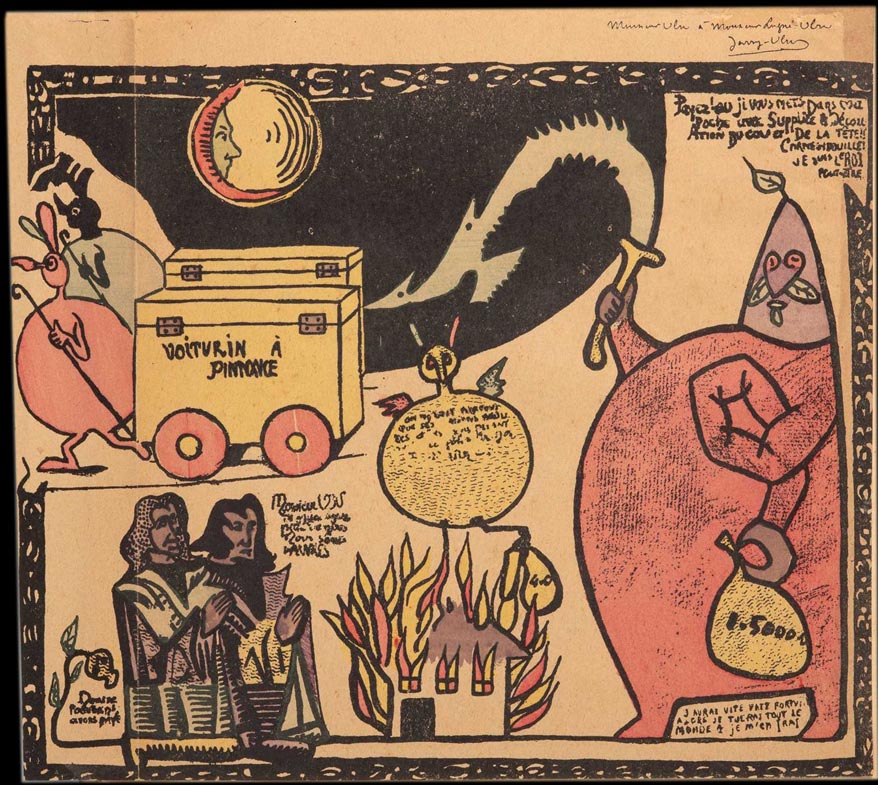
- Between provocation, humour and insight, Alfred Jarry (1873–1907) created with Ubu Roi a universal figure: grotesque, violent and absurd, a distorted mirror of power and of the human condition. Ubu, “King of Nowhere,” heralds the brutality of the 20th century and embodies the dark laughter that runs through modernity. Poet, playwright and draughtsman, friend of the Nabis painters, Jarry inhabited his character to the point of merging with it, turning literature into a visceral and aesthetic adventure.
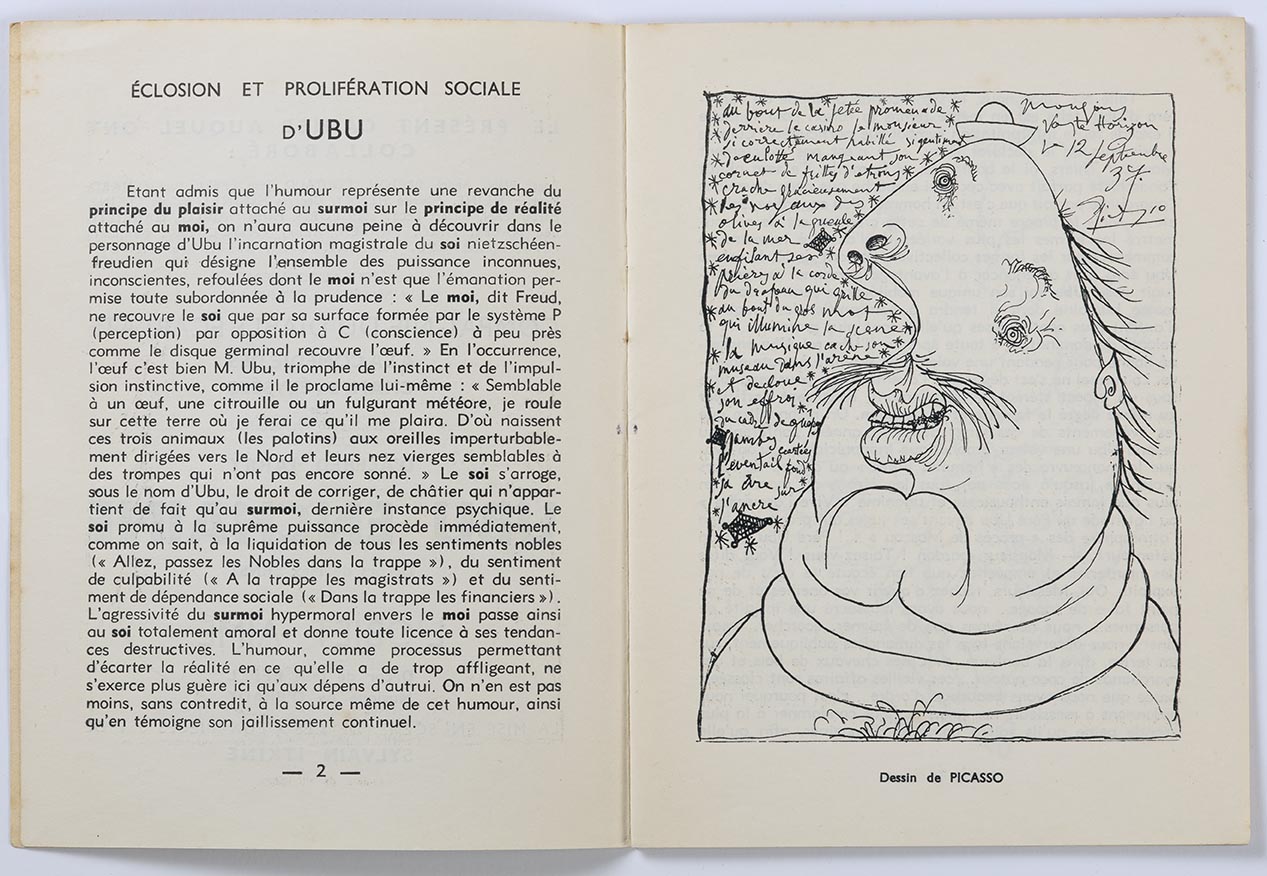
- Jarry’s imprint was decisive for the avant-gardes. Picasso, fascinated by Ubu’s subversive spirit, reinvented him as a symbol of the modern dictator in The Dream and Lie of Franco (1937). The Surrealists – André Breton, Michel Leiris, Max Ernst, Joan Miró – recognised him as a precursor to their poetic revolt. In 1948, the College of ’Pataphysics extended his legacy, transforming his “science of imaginary solutions” into a laboratory of freedom.
- More than a century later, the Ubuesque universe endures: a blend of satire and fantasy in which excess reveals truth. Ubu, grotesque mirror of man and his abuses, still laughs in the bowels of contemporary art.
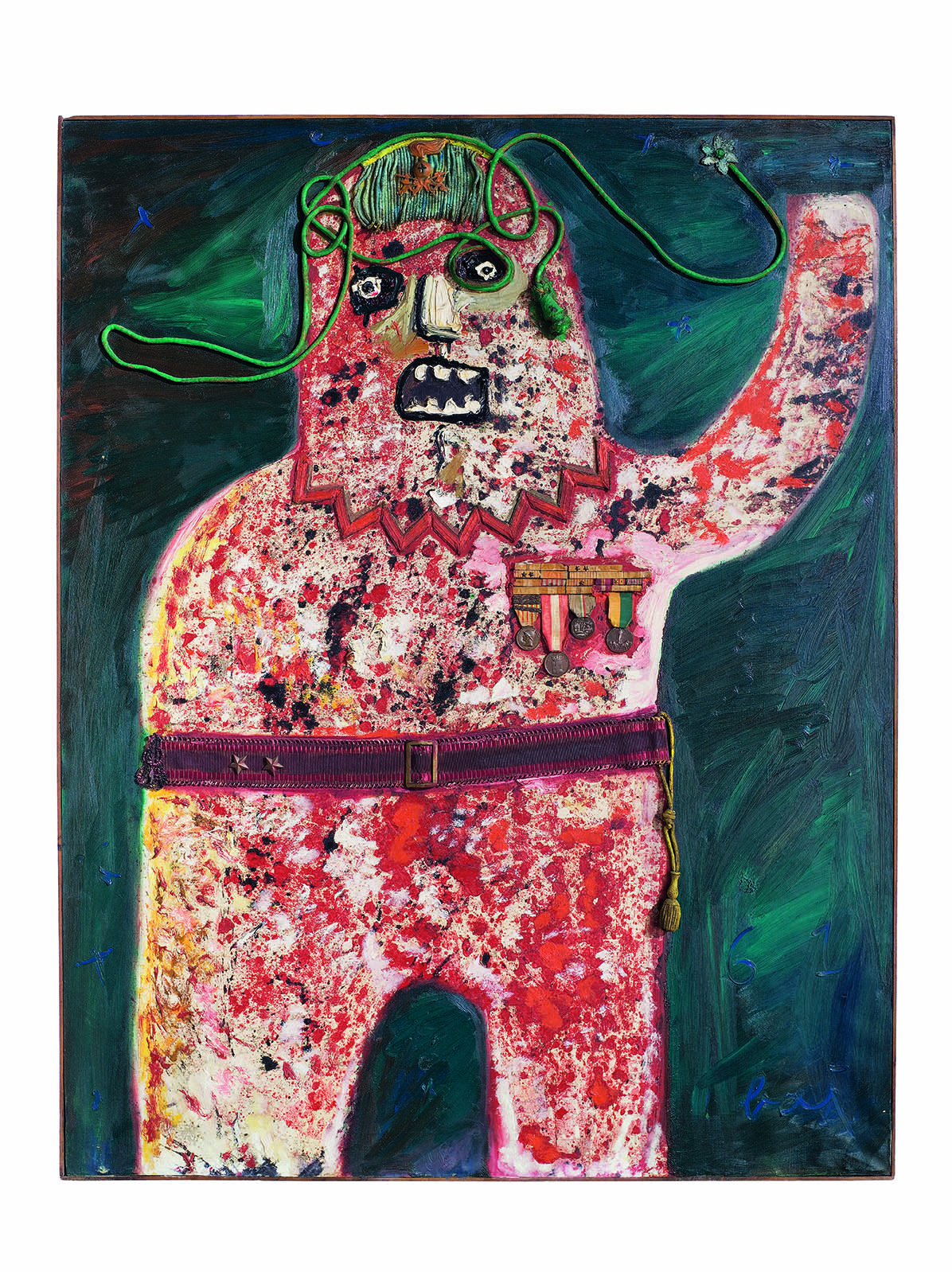
Ubu painter. Alfred Jarry and the arts explores the figure of Alfred Jarry and his influence on 20th-century art and thought. The exhibition brings together works, books, graphic art, and drawings by Jarry alongside pieces by artists from his circle, such as Pierre Bonnard, Paul Gauguin, Henri Toulouse-Lautrec, Charles Filiger, Georges Rouault, and the Nabis. It also highlights the impact that the playwright had on the Surrealists and on the artists of the Collège de Pataphysique, such as Jean Dubuffet and Enrico Baj. In addition, the exhibition also includes contemporary works by William Kentridge, which explore the relevance of the themes Alfred Jarry addressed in his play and its despotic, corrupt, and totalitarian characters. The exhibition concludes with a final section that examines the reception of his work in Catalonia.
Learn more about Alfred Jarry
Alfred Jarry (1873-1907) was a French writer who played a fundamental role in the birth of the avant-garde movements of the 20th century and was a precursor of Dadaism and Surrealism. In Paris, he became involved with Symbolism, collaborated with La Revue Blanche and Le Mercure de France, and founded L'Ymagier. His best-known work, Ubu roi (Ubu Rex, 1896), is a fierce and grotesque satire against the bourgeoisie that revolutionised theatre and is considered the beginning of the theatre of the absurd. The character of Ubu—an archetype of cynicism and ridiculous authority—starred in other plays such as Almanach du Père Ubu (Père Ubu's Illustrated Almanac, 1899), Ubu enchaîné (Ubu Enchained, 1900) and Ubu sur la butte (Up Ubu, 1901). The premiere of Ubu Roi caused a huge scandal and made Jarry famous, known thereafter as “le père Ubu” (Father Ubu). In addition to the Ubu cycle, Jarry also wrote symbolist poetry and the novel Le Surmâle (The Supermale, 1902). A life marked by excess and poverty led to his premature death. Gestes et opinions du docteur Faustroll, pataphysicien (Exploits & Opinions of Dr. Faustroll, Pataphysician, 1911) and other titles such as Paralipomènes d'Ubu (Ubu’s Parerga) and La Dragonne (The She-Dragon) were published posthumously.
With the exceptional support of:
With the collaboration of:

Image gallery
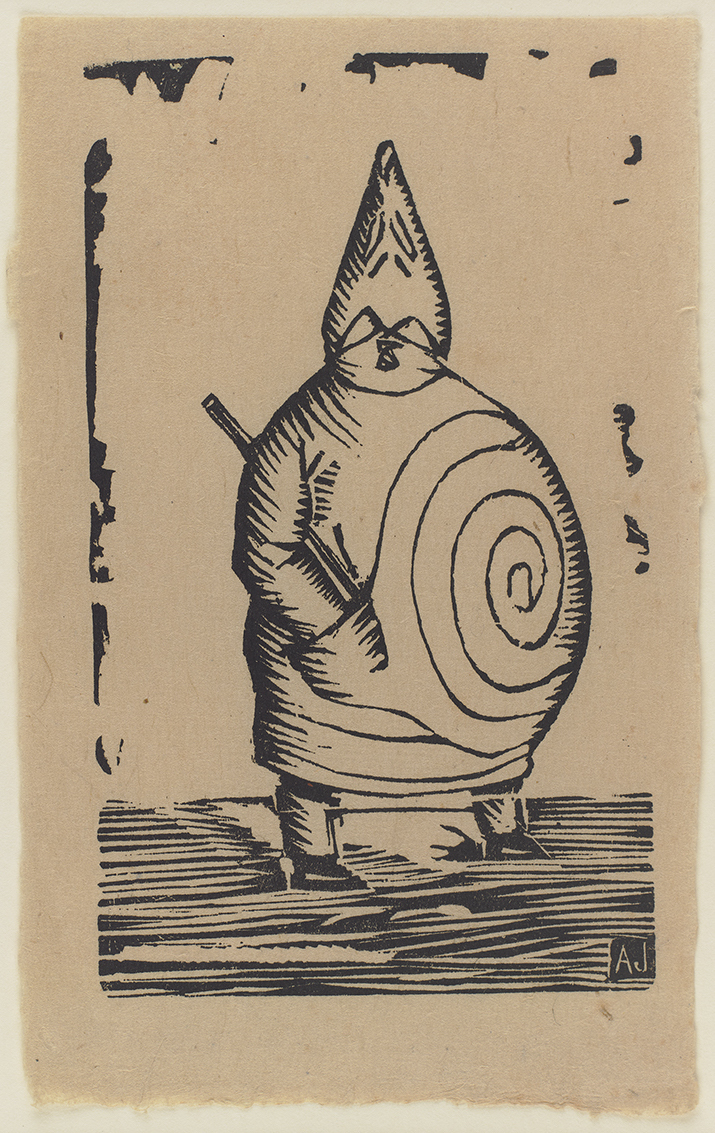
![Enrico Baj. "Mère Ubu [Il teatro di Ubu]". 1985. Escultura de Meccano. Archivio Enrico Baj © Archivio Enrico Baj, Vergiate, Itàlia](/sites/default/files/2025-11/Enrico-Baj-pere-ubu_1.jpg)
Artworks of the Collection

Picasso, Pablo
1937
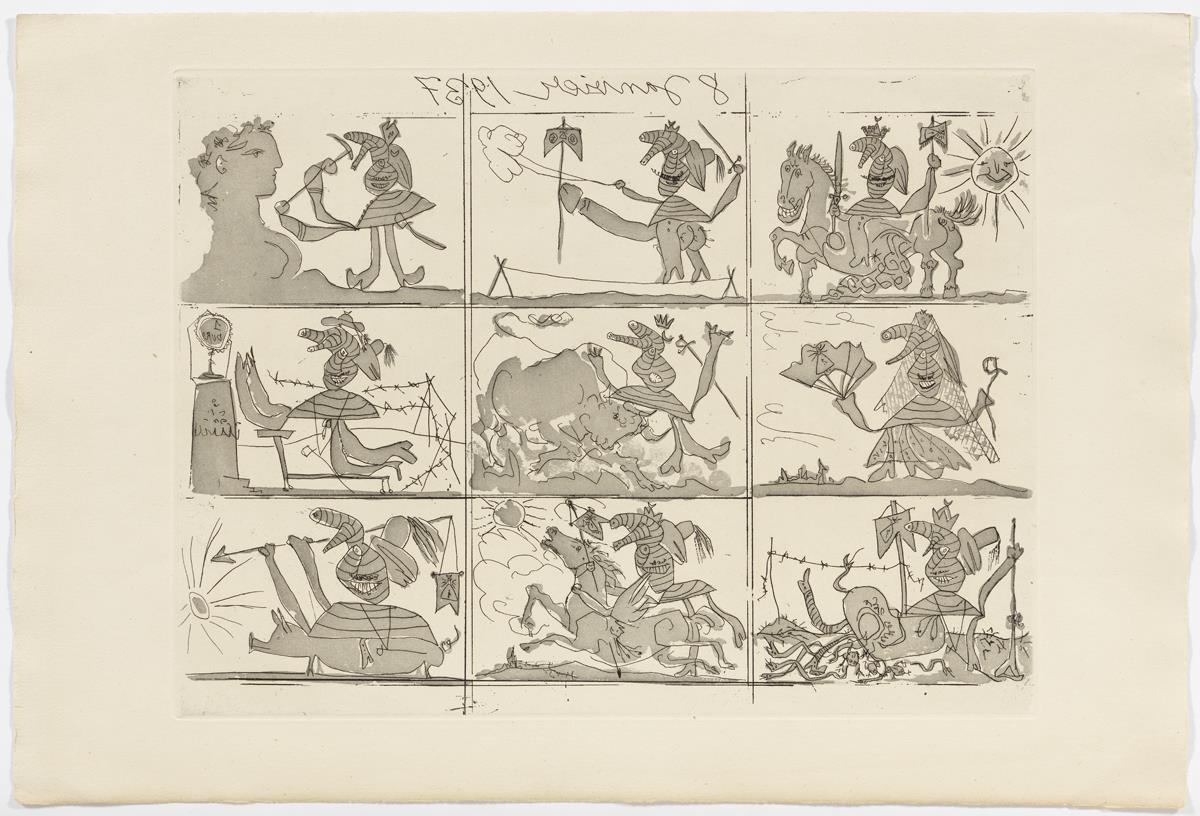
Picasso, Pablo
1937
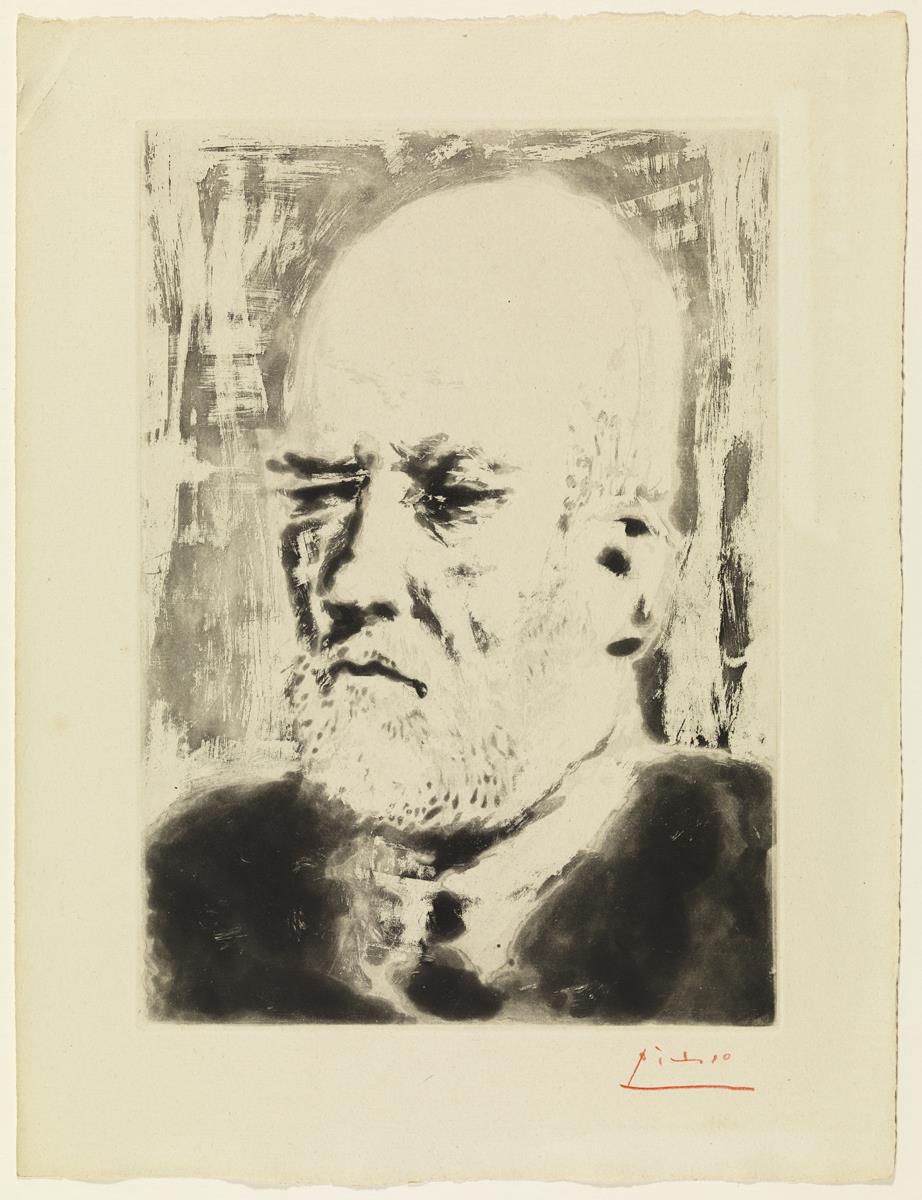
Picasso, Pablo
1937

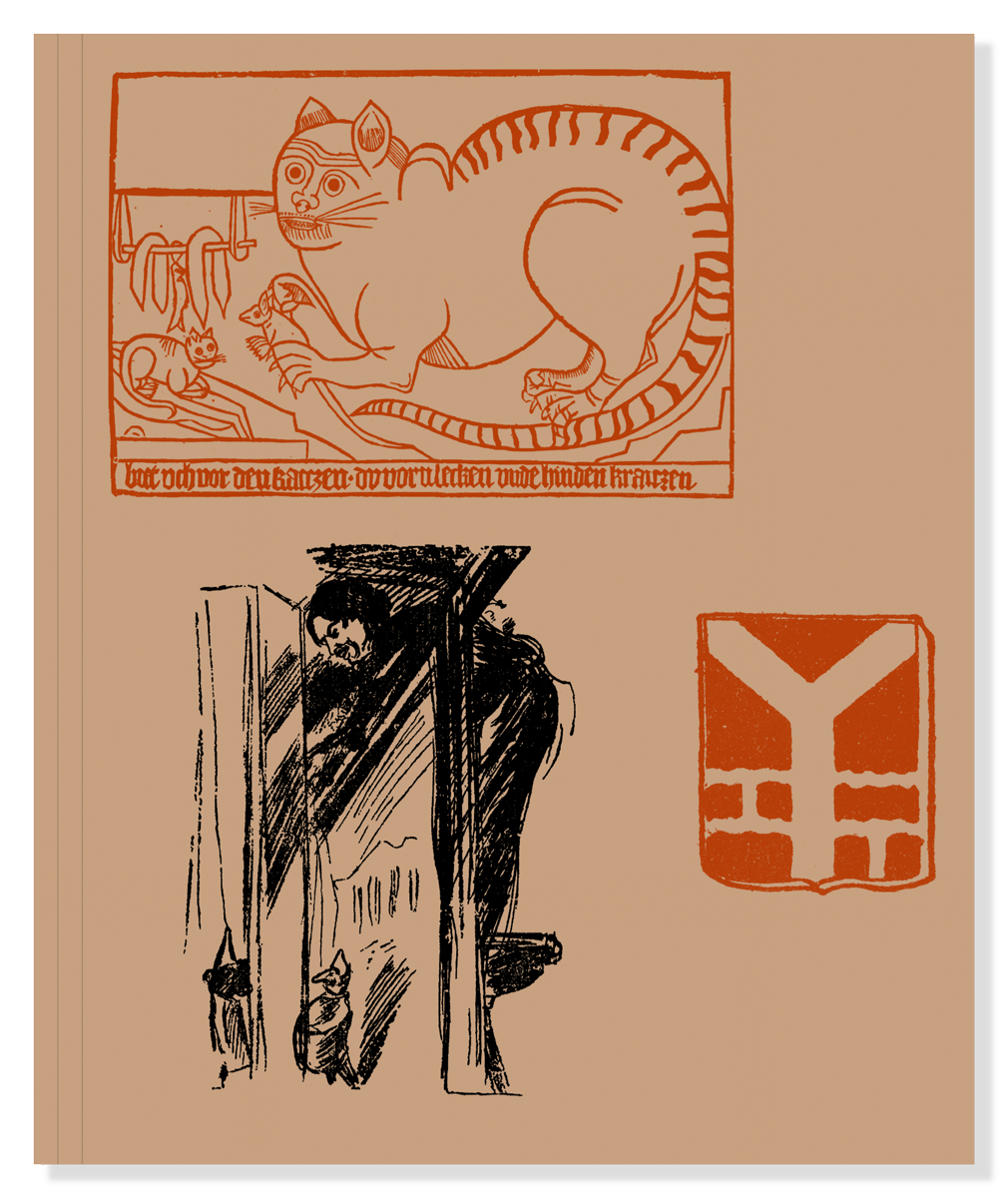
Ubu Painter. Alfred Jarry and The Arts
On the same level as Ulysses, Don Quixote, or Madame Bovary, Ubu has become a universal archetype. But unlike his predecessors, the character defies all taboos. He symbolizes unrestrained speech, unbridled power, and a provocative freedom. Ubu has established himself as a modern star not lacking in humor.
The exhibition Ubu the Painter. Alfred Jarry and the Arts allows for a confrontation between artists as distant in their expression as Émile Bernard, Pierre Bonnard, Max Ernst, Georges Rouault, Charles Filiger, Pablo Picasso, Le Corbusier, Jean Dubuffet, Enrico Baj, Joan Miró, and William Kentridge. It highlights Jarry’s imaginary world and the metamorphoses of Ubu from his creation to the present day.
See online
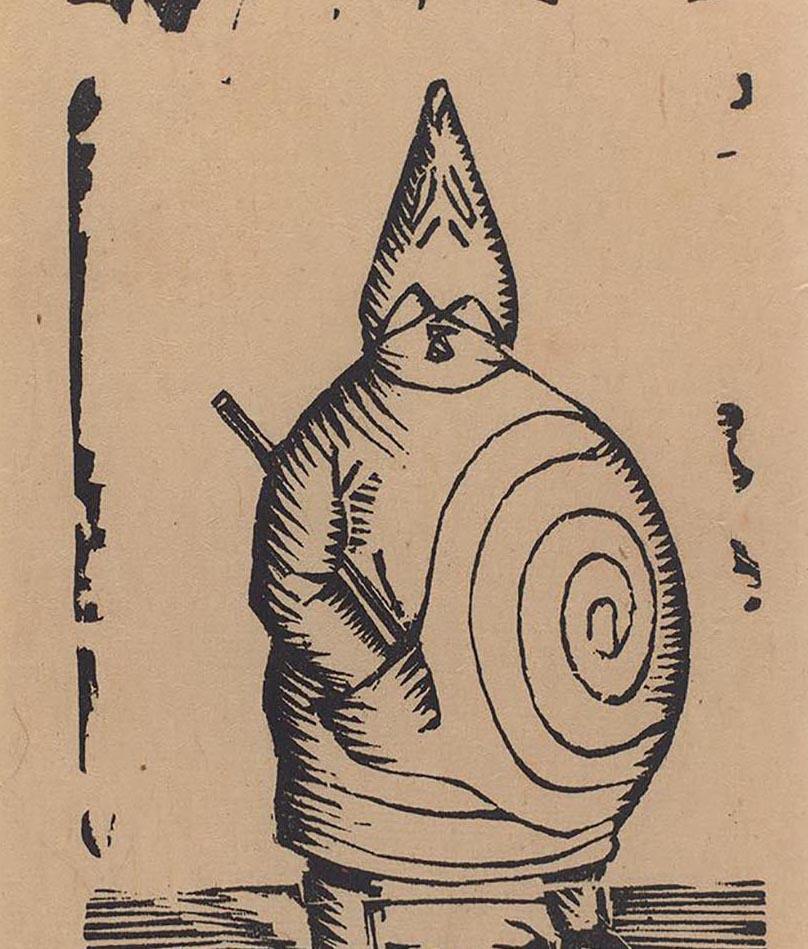
Do you know how Ubu roi was born?

Pensar fora de la caixa: L’univers d’Ubú amb Sílvia Ferrando
Descobrim Ubú amb la comissària de l’exposició
Testimoni de Pilar Aymerich. De la censura al teatre de l’absurd
Emmanuel Guigon ens parla d'«Ubú pintor. Alfred Jarry i les arts»

Making of "Ubu painter. Alfred Jarry and the arts"
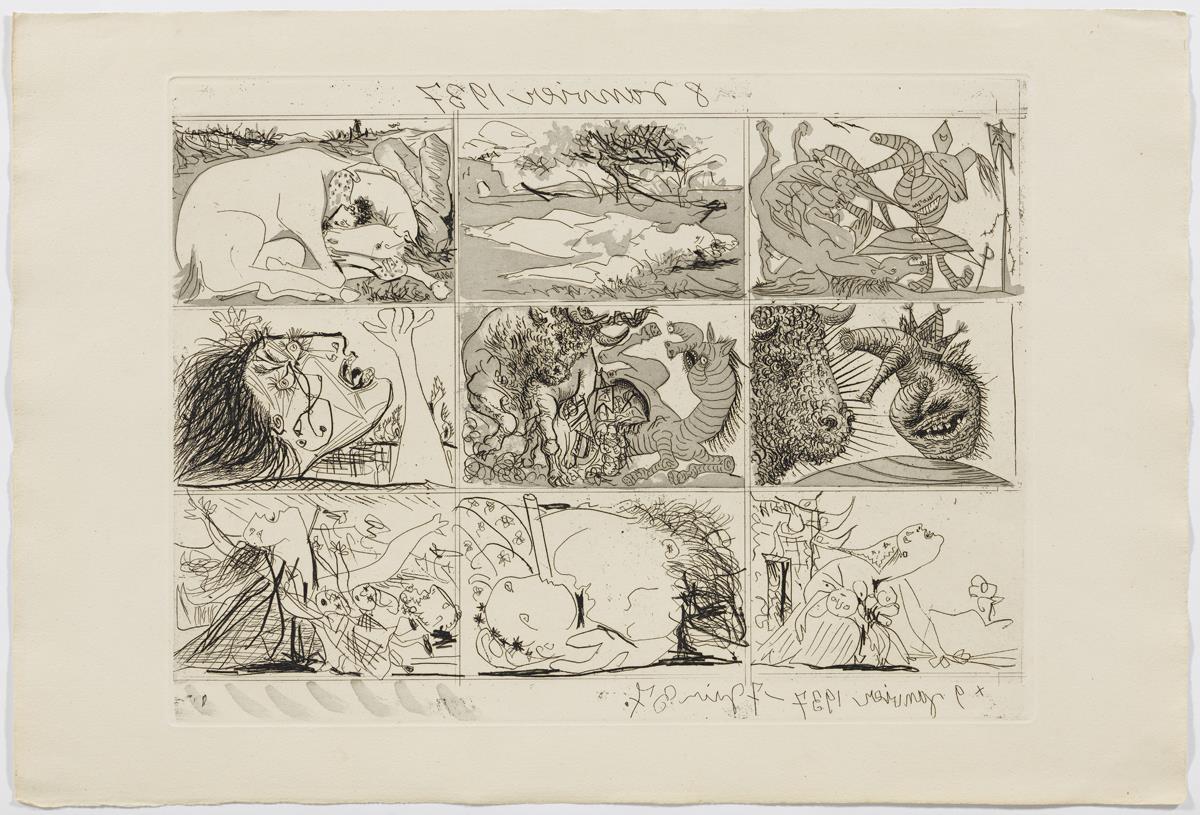
Dream and Lie of Franco in «Ubu painter»
Related activities
«Ubú revisitat». Desfilar l’ornament de Fito Conesa
26 de febrer del 2026
«Ubu Revisited». Essential Poetry 1-BU
Saturday 31 January; Thursday 19 and Saturday 28 February; Thursday 12 and Saturday 28 March; Saturday, 4 April 2026.

Taller familiar: «Tite i Llà»
dissabtes 14 de febrer, 7 i 14 de març i 4 d’abril de 2026
«Ubú revisited». Music for an Exhibition
Thursday, 19 March 2026
«Ubú revisitat». Percussions per a Ubú
dijous 26 de març de 2026
Visites comentades a l’exposició «Ubú pintor. Alfred Jarry i les arts»
ÚLTIMS DIES! Fins el 4 d'abril de 2026

«Ubu Revisited». Alain Planès. Piano recital of works by Claude Terrasse and Erik Satie
28 January 2026
«Ubú revisitat». L’art com a disrupció
dimarts 27 de gener i 3 de febrer
Presentació i visita a l’exposició «Ubú pintor. Alfred Jarry i les arts»
4 de febrer de 2026